
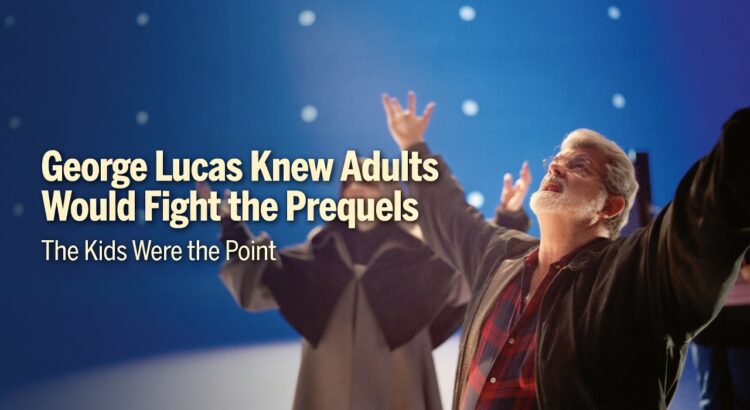
For years, the standard story about the Star Wars prequels was simple. Older fans were angry. Critics were cruel. Jar Jar became a punchline. Hayden Christensen took far more heat than any young actor ever should. And the internet, still discovering its full power to be awful in public, decided that The Phantom Menace, Attack of the Clones, and Revenge of the Sith were a betrayal of “real” Star Wars. But according to Ian McDiarmid, George Lucas saw a lot of that coming. Speaking at Spacecon 2026, McDiarmid said Lucas knew older fans from the original trilogy era might be picky about the prequels. But Lucas also had a different target in mind: kids. Or, as McDiarmid recalled Lucas putting it, “if an 8-year-old is happy,” he had done his work. That one line explains the prequel trilogy better than 25 years of shouting ever did. The Prequels Were Never…
prequel trilogy
LEGO Star Wars: The Video Game Released 21 Years Ago Today — and It Changed More Than You Remember

On this day in 2005, LEGO Star Wars: The Video Game began its rollout, with its first U.S. release landing on March 29, 2005. That date belongs to the Game Boy Advance version, while the PlayStation 2 and PC versions followed on April 2, and Xbox arrived on April 5. Even with that staggered launch, March 29 still marks the moment this weird little brick-built Star Wars experiment first hit shelves. And at the time, it really did feel like a bit of a gamble. A family-friendly LEGO game built around the Star Wars prequel trilogy could easily have been disposable licensed filler. Instead, it turned out to be something much stickier: a goofy, charming, surprisingly smart action-adventure that let players smash bricks, swap characters, solve puzzles, and replay The Phantom Menace, Attack of the Clones, and Revenge of the Sith in a way that was much funnier than anyone…
BB-8 Puppeteer Says Sequel Backlash Is Repeating Prequel History
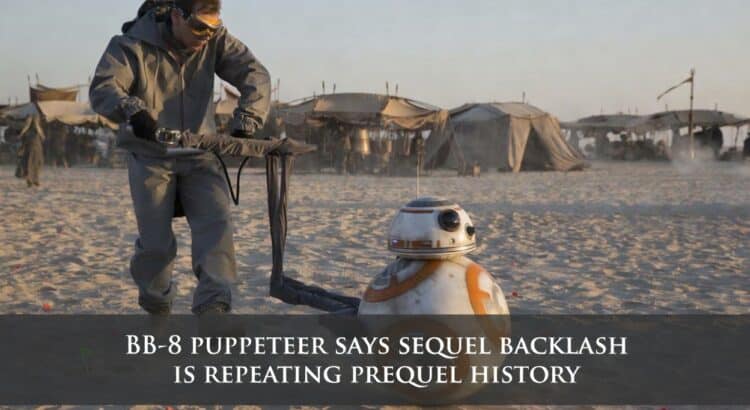
Brian Herring, the puppeteer and performer behind BB-8 in the sequel trilogy, thinks Star Wars fans have seen this cycle before. In a new interview with Gamereactor, Herring argued that the sequel trilogy is “no more polarising” than the prequels were when they first landed, suggesting today’s online backlash says as much about generational turnover as it does about the films themselves. Herring has long been closely tied to modern Star Wars on screen, with StarWars.com previously spotlighting his work bringing BB-8 to life. The Internet Changed the Volume, Not the Pattern Herring’s basic argument is pretty sharp: people angry about the sequels are often too young to remember how intensely fans pushed back against the prequels when those films arrived. His point is not that everyone has to like Episodes VII-IX. It is that the reaction pattern feels familiar, only louder now because every debate gets amplified online. In…