
Creating professional videos used to feel impossible. Between expensive software, steep learning curves, and endless tutorials, I’d spend hours just figuring out basic edits. Then I discovered AI video generator—but honestly? They overwhelmed me at first.
If you’re like I was, excited about AI tools but unsure where to start, this guide will save you months of trial and error. I’ll share the exact approach that helped me go from complete confusion to confidently creating videos and images for clients.
Why Most Beginners Fail with AI Video Generators (And How to Avoid It)
Here’s what nobody tells you: having access to powerful AI doesn’t automatically make you productive. When I first tried AI video creation tools, I made every rookie mistake possible.
The biggest problem? Information overload. You open these platforms and see dozens of options, settings, and models. Without a clear workflow, you’ll waste hours generating random content that doesn’t serve any real purpose.
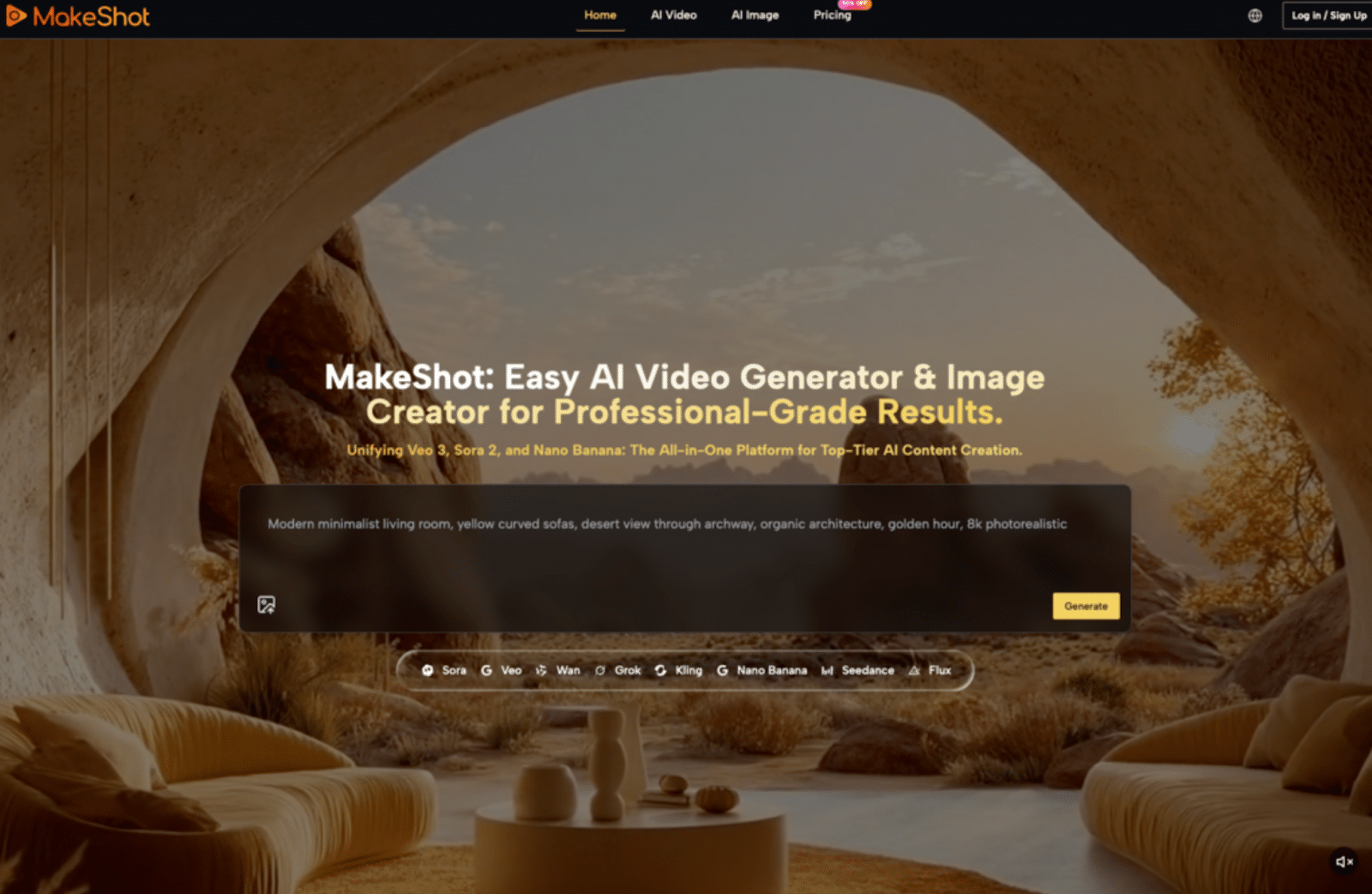
I learned this the hard way after spending an entire weekend creating “cool” videos that had zero practical use. The turning point came when I discovered MakeShot and its unified approach to AI video generation. Instead of juggling multiple tools, I could access Veo 3, Sora 2, and other leading models from one platform.
But having the right tool is only half the battle. You need a systematic approach to actually benefit from these AI video generators.
Your First 48 Hours: A Beginner’s Roadmap
Day 1: Understanding Your Tools
Start by exploring one model at a time. When I began using MakeShot, I focused exclusively on Veo 3 for the first day. This AI video generator includes native audio generation—meaning it creates synchronized sound effects and ambient audio automatically.
Here’s my recommended first-day checklist:
- Generate 3-5 simple test videos (10-15 seconds each)
- Try the same prompt with different models
- Note which styles each model excels at
- Save your favorite outputs for reference
Don’t aim for perfection. Your goal is understanding how each AI image creator and video model interprets prompts differently.
Day 2: Building Your First Real Project
Pick one actual use case. For me, it was creating social media content for a local bakery. Having a real project forces you to think practically about outputs.
Start with these beginner-friendly projects:
- Product showcase videos (15-30 seconds)
- Simple animated logos
- Social media story content
- Basic explainer sequences
The key insight that transformed my workflow: treat AI video generators as creative partners, not magic solutions. You still need to guide them with clear intentions.
Common Misconceptions That Hold Beginners Back
“AI Will Replace My Creative Skills”
This fear paralyzed me initially. I thought using an AI video generator meant admitting creative defeat. The reality? These tools amplify your creativity rather than replace it.
Think of it like this: a chef uses a food processor to save time on prep work, not because they can’t chop vegetables. Similarly, AI tools handle the technical execution while you focus on creative direction.
“More Features = Better Results”
I wasted weeks jumping between platforms, convinced I needed every possible feature. Then I realized something crucial: consistency beats variety when you’re learning.
Using MakeShot’s unified platform taught me this lesson. Having Sora 2, Veo 3, and Nano Banana Pro in one place meant I could develop consistent workflows instead of relearning new interfaces constantly.
“Professional Results Require Professional Experience”
The biggest misconception? You need years of video editing experience to create quality content. Modern AI image creators and video generators have democratized professional content creation.
What you actually need:
- Clear communication skills (for prompts)
- Basic understanding of your audience
- Willingness to iterate and improve
- Patience to learn each tool’s strengths
Practical Workflows for Different Content Types
Social Media Content Creation
My most successful workflow for social content:
- Batch Planning: Dedicate one session to generating a week’s worth of content
- Model Selection: Use Veo 3 for dynamic videos with audio, Nano Banana for static visuals
- Prompt Templates: Create reusable prompt structures for consistent branding
- Quick Iterations: Generate 3-4 variations, pick the best, move on
This approach helped me create 30 pieces of content in under 2 hours—something that previously took me days.
Marketing and Product Visualization
For commercial projects, precision matters more than speed. Here’s what works:
- Reference Images: Nano Banana Pro accepts up to 4 reference images for consistency
- Style Matching: Maintain brand guidelines by using the same AI image creator throughout campaigns
- A/B Testing: Generate multiple versions to test with audiences
- Resolution Planning: Start with lower resolution for concepts, upgrade finals
Avoiding Early Frustrations: Lessons from My Mistakes
Mistake 1: Overcomplicating Prompts
My early prompts read like novels. I’d include every possible detail, thinking more information meant better results. Wrong. AI video generators work best with clear, structured instructions.
Bad prompt: “Create a video of a coffee shop with warm lighting and people chatting happily while steam rises from cups and soft jazz plays in the background with vintage decorations and plants everywhere”
Better prompt: “Cozy coffee shop interior. Warm lighting. Customers enjoying coffee. Steam rising from cups. Vintage decor.”
Mistake 2: Ignoring Model Strengths
Each AI model excels at different tasks. I learned this after repeatedly using Sora 2 for quick social clips when Veo 3 would have been more efficient.
Understanding model strengths:
- Veo 3: Best for content needing synchronized audio
- Sora 2: Ideal for cinematic, story-driven sequences
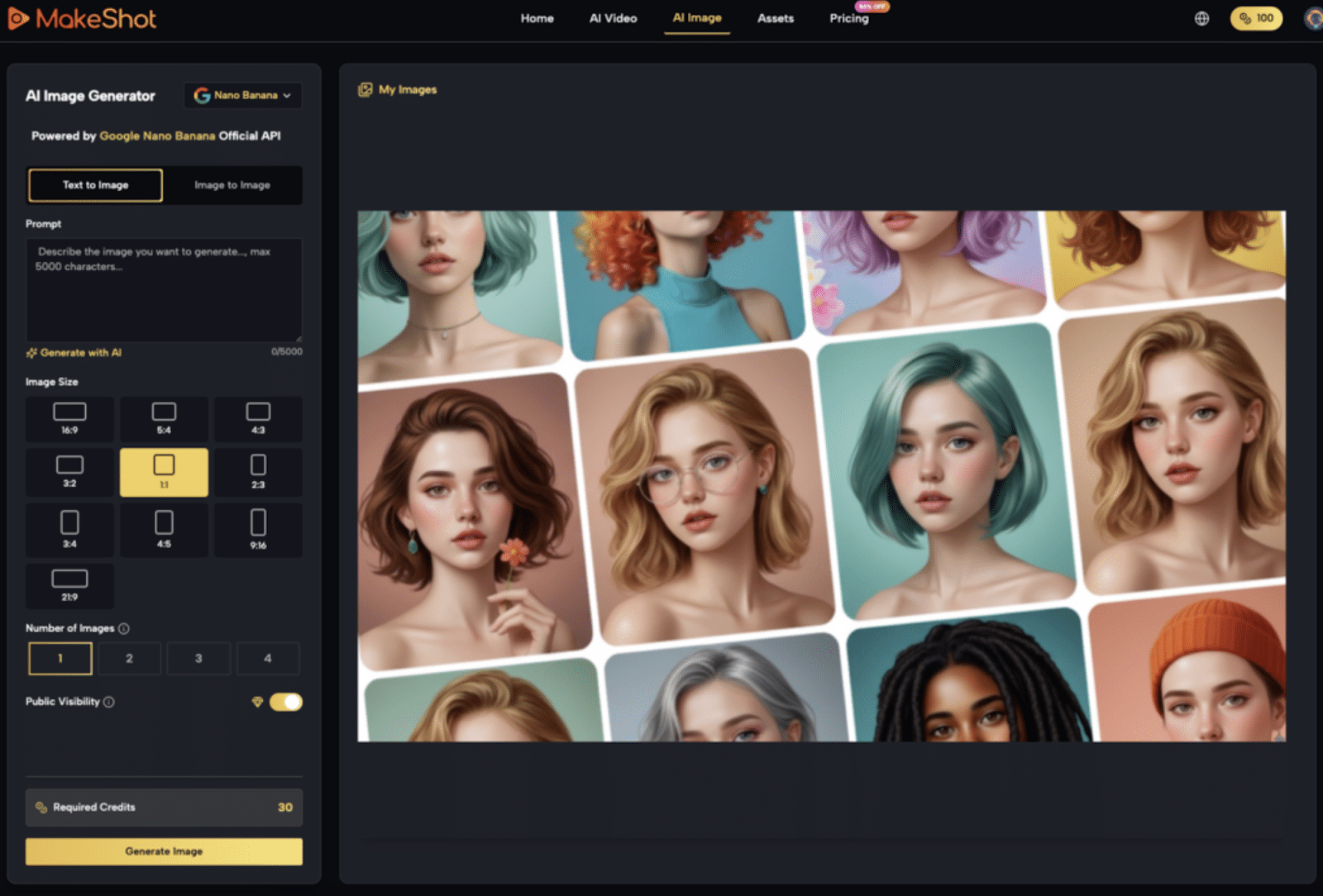
- Nano Banana: Perfect for hyper-realistic product images
- Grok: Great for experimental, creative visuals
Mistake 3: Not Saving Successful Prompts
This seems obvious now, but I’d create something amazing then forget the exact prompt. Start a prompt library immediately. Organize by:
- Content type
- Model used
- Success rate
- Client/project
The Cost-Effective Content Creation Revolution
Let me share some real numbers. Before using AI video generators, I’d spend:
- $500-1000 per professional video (outsourced)
- 10-15 hours creating amateur videos myself
- $200+ monthly on various editing software
Now? I create professional-quality content for a fraction of the cost and time. The unified platform approach means one subscription replaces multiple tools.
But cost savings are just the beginning. The real value comes from:
- Rapid experimentation: Test ideas without huge investments
- Consistent output: Maintain posting schedules easily
- Creative freedom: Try concepts that would be impossible traditionally
- Client satisfaction: Deliver more options, faster turnarounds
Final Thoughts: Embracing the Learning Curve
Starting with AI video generators felt overwhelming, but pushing through that initial confusion was worth it. These tools aren’t magic wands—they’re powerful instruments that require practice and patience.
The key is starting simple and building systematically. Whether you’re using Sora 2 for cinematic content or Veo 3 for quick social videos, focus on understanding one tool deeply before expanding.
Remember: every expert was once a beginner who refused to give up. Your first AI-generated video might be rough, but your hundredth will amaze you. The gap between those two points? That’s where real learning happens.
Take that first step today. Pick one project, one model, and start creating. The AI video generator revolution isn’t coming—it’s here, and it’s more accessible than ever.
Author

Related Posts

Disney Board Reportedly Favors Josh D’Amaro to Succeed Bob Iger as CEO
Trailer for The Mandalorian and Grogu Set to Debut During the Super Bowl
Nude Joy Mod for Payday 3 – Character Model Replacer
Thicc Squirrel Girl Mod for Marvel Rivals – Body Variant Pack with Optional Physics


NSFW Holly Outfit Mod for Code Vein II – Alternate Character Outfit
Bed Bondage NSFW Pose Pack for Cyberpunk 2077 – Photomode Goes Full Studio
33 Years Later, X-Wing Still Defines Star Wars Space Combat-
John Williams Wins Grammy for Music by John Williams — Another Milestone for the Composer Behind Star Wars