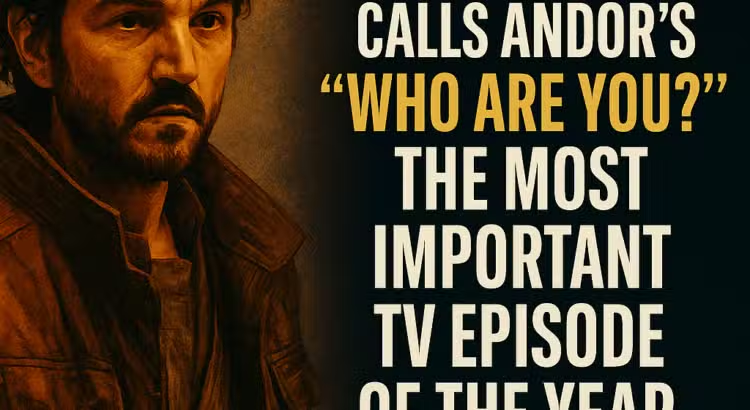
When Bryan Fuller — the creator behind Star Trek: Discovery, Hannibal, and Pushing Daisies — calls something “the most important episode of television this year, and probably for many years to come,” that’s not casual praise. Fuller recently directed that bold statement at “Who Are You,” Episode 8 of Andor Season 2, and the comment has sent a shockwave through both Star Wars and sci-fi fandom.
According to Fuller, Andor isn’t just delivering good Star Wars — it’s delivering exceptional television, period.
Why Bryan Fuller Thinks “Who Are You?” Is a Landmark Episode
Fuller’s praise isn’t the typical “this show is great” sentiment. His comment suggests that “Who Are You?” reaches a level of emotional weight, thematic precision, and cinematic ambition rarely seen in modern genre TV.
While he didn’t break down every detail, his reaction implies the episode excels in several ways:
- Character depth: Andor has always been a character-driven show, but this episode pushes motivations, identity, and internal conflict further than ever.
- Political resonance: “Who Are You?” taps directly into real-world themes — surveillance, oppression, resistance — in ways that feel unusually grounded for Star Wars.
- Dramatic tension: The atmosphere, pacing, and sense of dread elevate the episode to prestige-drama territory.
- Visual storytelling: Andor is known for its grounded aesthetic, and Episode 8 reportedly doubles down on that gritty realism.
Put simply: this isn’t an episode remembered for explosions or lightsabers — it’s remembered for its craft.
Why This Matters for Star Wars
Star Wars TV has had its ups and downs, but Andor has consistently stood apart as the franchise’s most mature, tightly written, and politically charged entry.
Fuller’s comment highlights three important things:
1. Andor is pushing the boundaries of what Star Wars can be
No Jedi. No Force prophecy. Just people, consequences, sacrifice, and resistance.
2. The show is being recognized beyond the typical fan bubble
When a creator from Star Trek — the other major sci-fi giant — praises Andor at this level, it indicates genuine industry respect.
3. Episode 8 might become a defining moment in Star Wars TV history
Some episodes are fun. Some episodes are emotional.
And some — like “Who Are You?” — might become reference points for future storytelling.
What This Could Mean for Genre Television
If “Who Are You?” is as groundbreaking as Fuller suggests, it may set a new benchmark for:
- Scriptwriting in sci-fi drama
- Thematic ambition in franchise TV
- Character-driven storytelling within blockbuster IP
- Grounded worldbuilding in a galaxy better known for fantasy elements
This is the kind of praise usually reserved for episodes of shows like The Wire, Breaking Bad, or The Leftovers — not typically for Star Wars.
But Andor has never been “typical Star Wars,” and that might be exactly why Fuller singled it out.
Final Thoughts: A Turning Point for Star Wars and Sci-Fi TV?
“Who Are You?” is shaping up to be the sort of episode people talk about — not just this season, but years into the future. Fuller’s bold declaration could mark the moment when Andor officially steps into the realm of prestige television.
If you’re following Andor week to week, you may have felt this coming.
If you’re behind, this might be the episode that convinces you to catch up.
Either way, Andor continues to prove that Star Wars storytelling can be as sharp, human, and emotionally devastating as anything else on TV today.
Stay connected with the galaxy’s latest updates!
Follow us on X, Facebook, Instagram, or Pinterest for exclusive content, mod guides, Star Wars gaming news, and more. Your support helps keep the Holonet alive—one click at a time.
Author

Related Posts

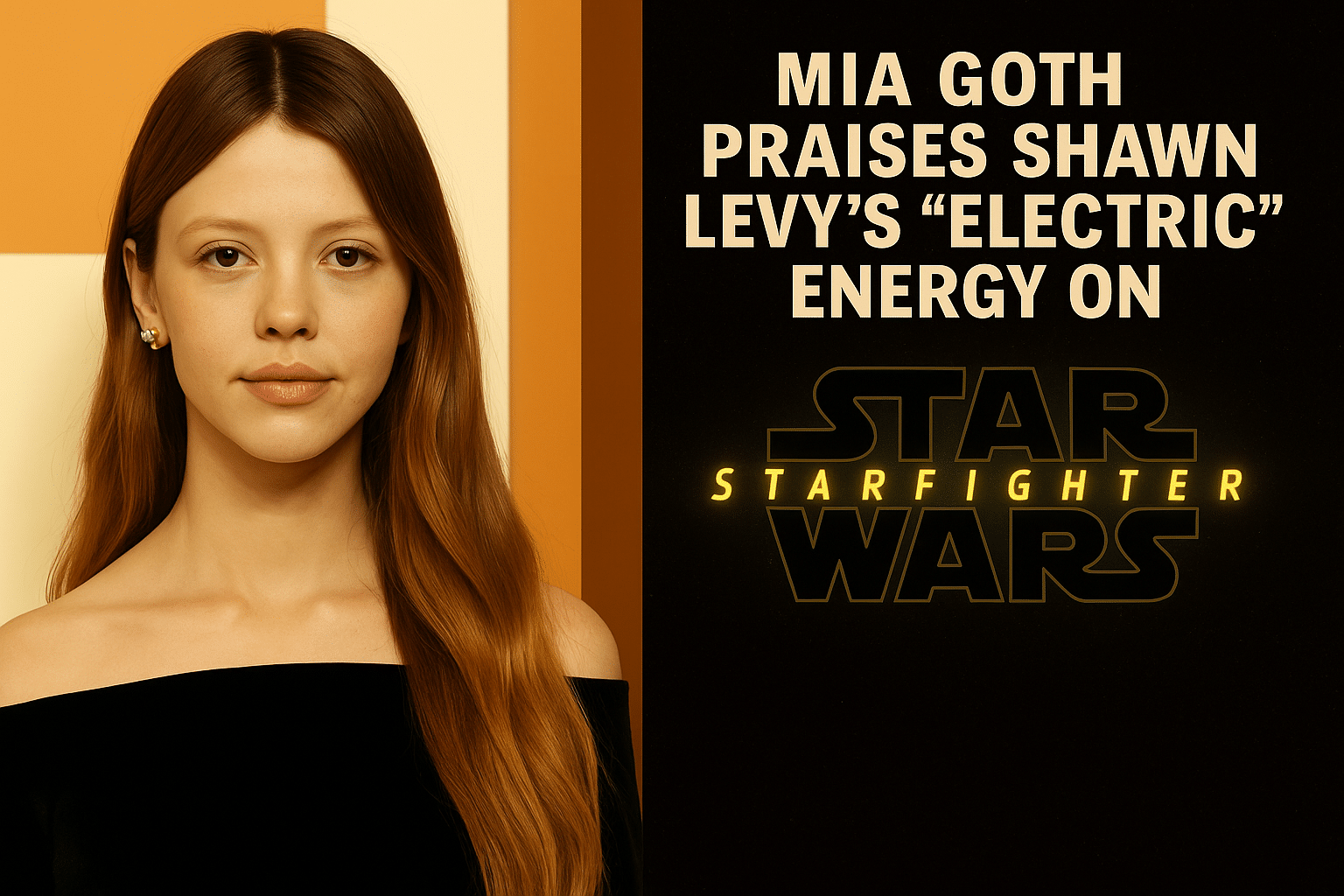
Mia Goth Says She’s Having “An Incredible Time” Filming Star Wars: Starfighter — And Praises Shawn Levy’s “Electric” Energy
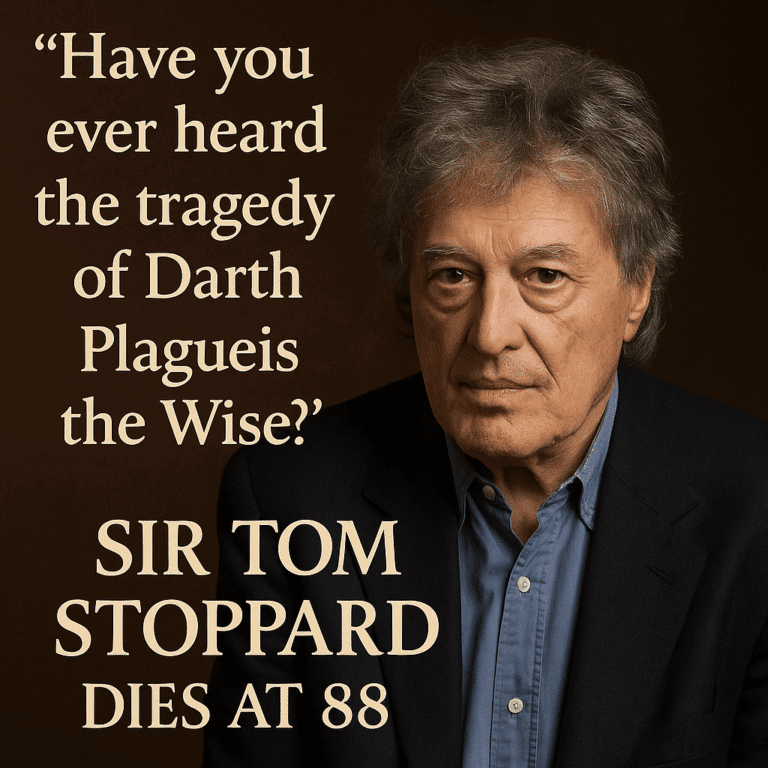
Tom Stoppard Has Died at 88 — The Uncredited Writer Behind the Iconic Darth Plagueis Speech
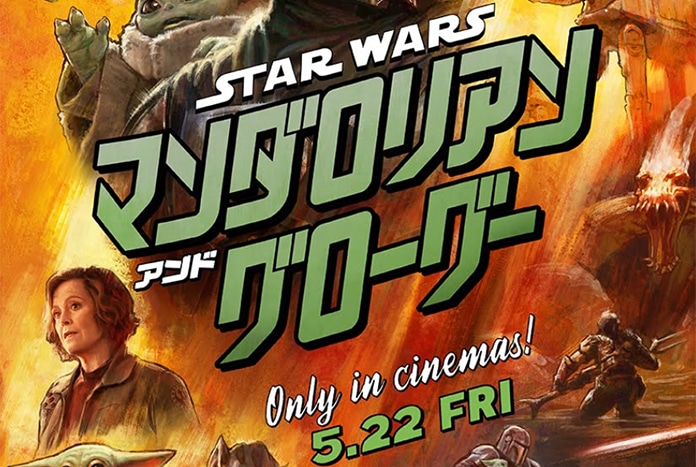
New Japanese Trailer for The Mandalorian & Grogu Drops — Featuring Fresh Footage-
How Aviator Changed Fast Play Expectations in Online Casinos


How Andor Season 2’s Mina-Rau Costumes Draw Inspiration From Brueghel and Van Gogh-
The Book of Boba Fett & Andor Character Packs for LEGO Star Wars: The Skywalker Saga Released 3 Years Ago Today! 
Reserve Your Signed Pablo Hidalgo Book at Thank the Maker: The Force Awakens – A Must-Have Moment for Star Wars Fans
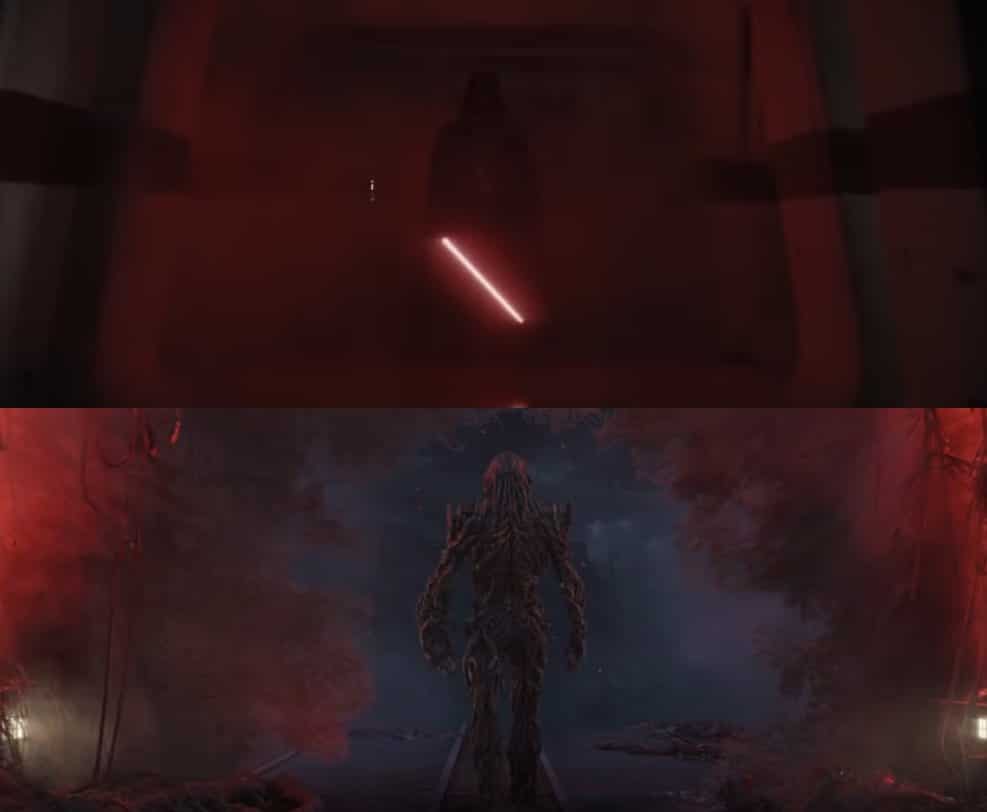
Vecna’s Entrance in Stranger Things 5 Was Inspired by Darth Vader — The Duffer Brothers Confirm the Star Wars Connection