
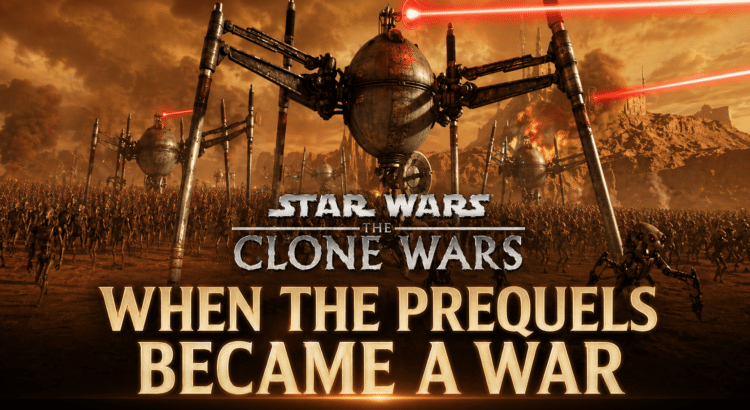
There is a point where the prequel era in Star Wars games stopped feeling like a collection of side attractions and started feeling like an actual era. Not just podracing. Not just one cool bounty hunter with a jetpack and several anger-management issues. Not just sleek starfighters gliding through Naboo skies. An actual war. That is where Star Wars: The Clone Wars (2002) comes in. If Star Wars: Starfighter (2001) gave the prequels proper wings, and Star Wars: Jedi Starfighter (2002) made them a little cooler, and Star Wars: Bounty Hunter (2002) dragged the same era into the underworld and let Jango Fett behave like a licensed public menace, then The Clone Wars did something bigger. It widened the lens. It took the prequel era out of the cockpit, out of the alleyways, and out onto the battlefield. That makes it a natural stop in both our Complete List of…
Pandemic Studios
Star Wars: Battlefront II (2005) – The Sequel That Turned a Great Shooter Into a Star Wars Institution

If Star Wars: Battlefront (2004) proved that Star Wars could work as a large-scale battlefield shooter, Star Wars: Battlefront II (2005) is the game that turned that idea into a full-blown obsession. It didn’t reinvent the formula from scratch. It did something smarter: it looked at the first game, figured out what players wanted more of, and delivered a bigger, richer, more memorable version of nearly everything. That is why Battlefront II still looms so large in Star Wars gaming history. For a lot of players, this was not just another licensed shooter. It was the Star Wars sandbox — the one where clone troopers, stormtroopers, Jedi, droids, starfighters, and heroes all finally shared the same chaotic toybox. A clean way to frame its legacy is this: Battlefront II (2005) didn’t just expand Battlefront — it became the version of the fantasy most players actually wanted. Game Information Title: Star…
Star Wars: Battlefront (2004) – The Game That Turned Star Wars Battles Into a Playground
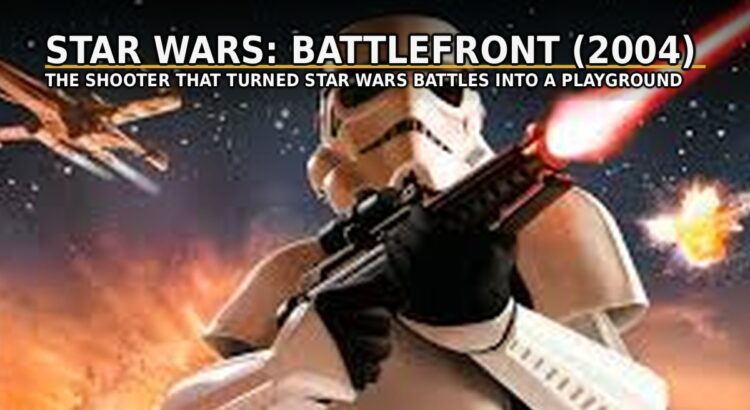
Star Wars: Battlefront (2004) is the moment Star Wars games stopped asking you to be one hero and started asking: what if you were just another soldier in the war? Instead of a tight campaign focused on a single protagonist, Battlefront dropped players into large-scale, objective-driven combat across iconic eras and locations—and let the chaos write the story. A way to put its significance: Battlefront (2004) didn’t just let players visit Star Wars battles—it let them spawn into them. That “boots-on-the-ground in a living battlefield” approach became the series’ identity, influenced later Star Wars shooters, and helped define what console Star Wars multiplayer could feel like in the mid-2000s. Game Information Title: Star Wars: BattlefrontRelease year: 2004Developer: Pandemic StudiosPublisher: LucasArtsPlatforms: PlayStation 2, Xbox, PC (Windows)Genre: Third-person / first-person shooter (large-scale battlefield combat)Era of Star Wars game development: LucasArts Golden Age (1993–2004) Gameplay Overview Battlefront (2004) is built around large maps,…
Star Wars: The Clone Wars on Xbox Was an Experiment That Still Feels Bold
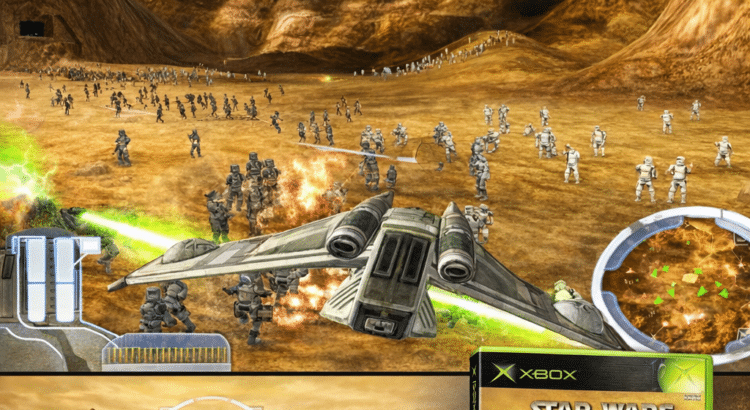
When Star Wars: The Clone Wars debuted on the original Xbox in 2003, it wasn’t just another licensed tie-in. It was one of the first attempts to translate the sprawling, chaotic energy of large-scale Clone Wars battles into an interactive experience — and it did so in a way that still resonates with fans who grew up with the console. A Different Kind of Star Wars Combat Unlike lightsaber duels or ground-level infantry skirmishes, Star Wars: The Clone Wars on Xbox put you in the driver’s seat of the machines of war itself. This was a game about vehicles and battlefield roles: Rather than a traditional infantry-focused shooter, the game blended arcade action with objective-driven missions that required tactical thinking and situational awareness. In an era where Star Wars games often focused on cinematic set pieces or character quests, this title leaned into scale and strategy — letting players feel…
Did You Know? Star Wars: Battlefront II (2005) on PS2 Was Bigger, Bolder, and Smarter Than You Remember
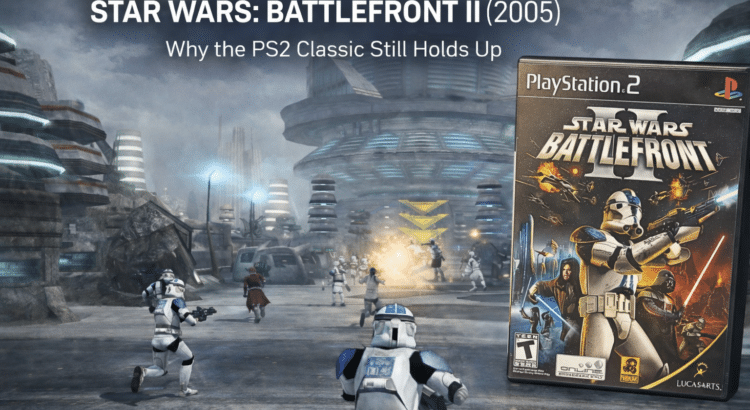
There’s a reason Star Wars: Battlefront II still comes up in conversations nearly two decades later. At a time when licensed games often played it safe, this one went wide—wider maps, deeper systems, and a confidence that trusted players to handle more than just run-and-gun chaos. In 2005, that mattered. Console shooters were evolving, Star Wars games were everywhere, and expectations were high. Battlefront II didn’t just meet them. It quietly rewrote what large-scale Star Wars combat could feel like on a PlayStation 2. A True Expansion of the Original Vision The original Battlefront laid the groundwork, but Star Wars: Battlefront II treated that foundation as a starting point, not a ceiling. Galactic Conquest returned with more purpose. Instead of being a novelty mode, it became the strategic spine of the experience. Players weren’t just hopping between battles—they were moving fleets, choosing targets, and managing resources across a galactic map….