
Star Wars fans love a good behind-the-scenes drama almost as much as a lightsaber duel—but according to Andor creator Tony Gilroy, the rumored friction between him and Lucasfilm creative chief Dave Filoni simply doesn’t exist. In a new interview, Gilroy addressed speculation that Filoni may have disliked Andor or had creative disagreements with the team behind the critically acclaimed series. His response? A very clear and repeated no. “No. We’ve only met a couple times, and we’ve only had a half-a-dozen conversations over the last ten years… We’ve always gotten along with those guys, and we’ve never had anything but high praise for everything that they’ve done.” Gilroy went on to emphasize that the success of modern Star Wars Disney+ content—particularly The Mandalorian—is the very reason Andor was able to exist in the first place. “We only have our show because of them, and we’ve always said that was true….
Star Wars TV series
How Many Seasons and Years Will Maul: Shadow Lord Run For?
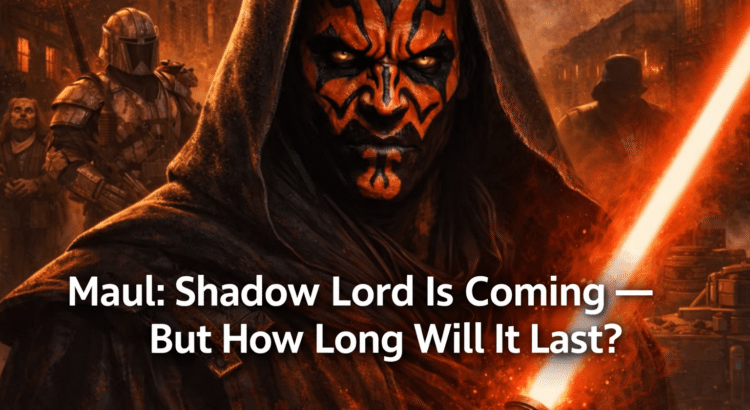
When Maul: Shadow Lord was announced, the excitement wasn’t just about seeing Darth Maul return to the spotlight—it was about how Lucasfilm plans to tell his story this time. With the animated series set to debut on Disney+ in 2026, one question keeps surfacing among fans who’ve followed Star Wars animation closely: how long will this show actually last on Disney+? Not in terms of hype cycles or wishful thinking, but in the practical, story-driven sense that determines whether a series feels complete or overstays its welcome. Looking at how Lucasfilm has handled recent animated projects, Maul’s established place in canon, and the realities of modern streaming production, there’s a surprisingly clear answer hiding in plain sight. Will it be a tight, prestige-style run?A longer, Clone Wars–style epic?Or something deliberately limited? Let’s break this down properly—based on how Lucasfilm actually treats animated Star Wars, not wishful thinking or hype cycles….
Maul – Shadow Lord Gets an Official Plot Description — and It’s Exactly as Dark as It Sounds
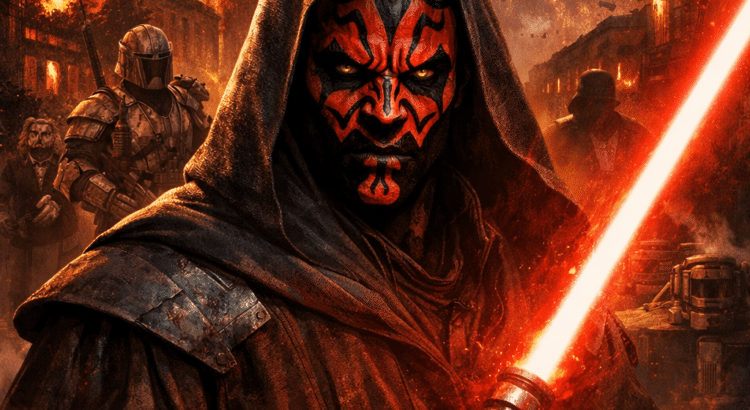
Darth Maul has never really fit into neat boxes. Sith apprentice, crime lord, survivor, symbol of unfinished business. Now, Star Wars is finally putting a clear frame around his next chapter — and it lands in one of the franchise’s most volatile eras. An official plot description for Maul – Shadow Lord has been revealed, and it confirms a story rooted firmly in chaos, power struggles, and the moral vacuum left behind after the fall of the Republic. What’s been revealed The new official description reads: “Maul – Shadow Lord explores Maul’s quest for power in the gritty and merciless underworld following the aftermath of The Clone Wars and Order 66.” That’s it. No character list. No timeline specifics beyond the obvious. And that restraint matters. This isn’t about spectacle or legacy cameos. It’s about positioning Maul exactly where he thrives: in the shadows, fighting for relevance in a galaxy…
Andor Writer Dan Gilroy Explains Why Mon Mothma’s Speech Felt So Real
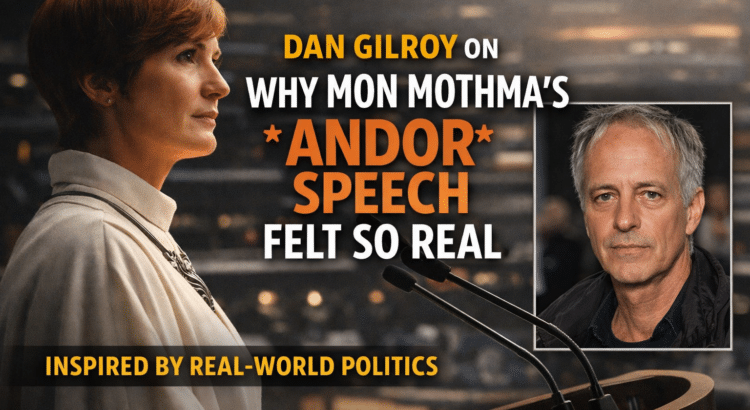
One of the most powerful moments in Andor wasn’t an explosion, a chase, or a secret mission — it was Mon Mothma standing in the Senate and speaking the truth, knowing exactly what it would cost her. According to Andor screenwriter Dan Gilroy, that moment didn’t come from Star Wars lore alone. It came from anger — very real, very current anger — at what he was watching unfold in the real world. Writing Star Wars Through a Real-World Lens Gilroy has revealed that as he began writing the episode featuring Mon Mothma’s Senate speech, he was closely following contemporary politics. What he saw directly shaped the scene. He described watching senators and elected officials abandon democratic principles, choosing comfort, safety, or power over accountability. That frustration carried straight into the writing process. When Mon Mothma speaks in the Senate, she isn’t just addressing the Empire. She’s confronting a system…
Why Andor Worked: The Power of What the Show Didn’t Show
One of the most striking things about Andor wasn’t its action, its sets, or even its political tension — it was what the series deliberately chose not to show. That idea was recently summed up perfectly by Robert Emms, who portrayed Lonni Jung in Andor. Reflecting on the show’s storytelling approach, Emms explained that much of Andor’s power came from implication rather than spectacle — from moments where something important was felt, hinted at, or discussed, rather than shown outright. And that restraint, he argues, is exactly what made the series so effective. The Art of Leaving Space for the Audience According to Emms, Andor thrived on the unspoken. Scenes were often constructed around tension, subtext, and quiet understanding between characters rather than overt exposition or dramatic payoff. The result was a form of storytelling where: Instead of presenting every major event directly, Andor often allowed the audience to piece…
TL-50 Heavy Repeater: Andor’s Surprise Live-Action Debut
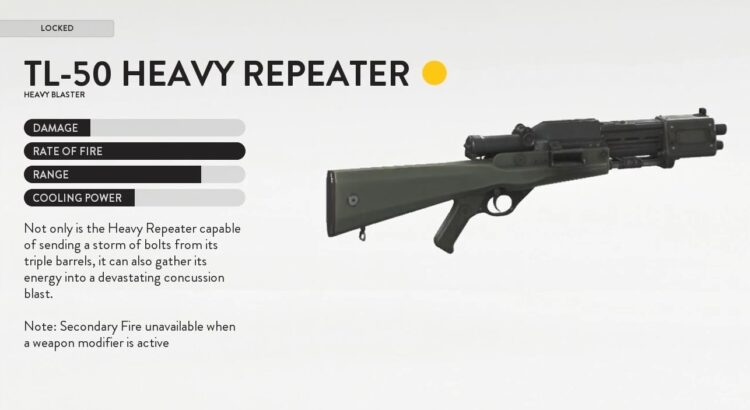
Andor Episode 10, titled “Make It Stop,” brought a hidden gem to the Star Wars universe’s live-action fold: the TL-50 Heavy Repeater. For hardcore Star Wars gamers, this isn’t just any blaster—it’s a weapon with serious history. The TL-50 first made its debut in Jedi Outcast, a classic game from 2002 that solidified its place in Star Wars gaming lore. Later, the weapon found new life in DICE’s Star Wars Battlefront games, reimagined with stunning graphics and devastating firepower. Now, thanks to Andor, it’s officially part of live-action canon. The Origin Story: Jedi Outcast The TL-50 Heavy Repeater was first wielded by Kyle Katarn, the rogue Jedi turned mercenary who became a fan-favorite in the Jedi Knight series. In Jedi Outcast, the weapon was known for its insane rate of fire and devastating power. It wasn’t just a blaster; it was a room-clearer. The secondary fire mode unleashed a concussive…
Dedra Meero in Andor: Ice-Cold, Methodical, and Weirdly Relatable
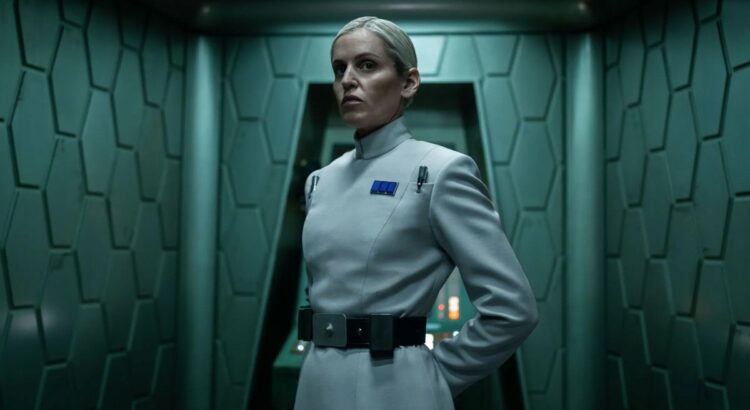
There are plenty of villains in Star Wars, but few strike the same nerve as Dedra Meero. Introduced in Andor as a mid-level bureaucrat in the Imperial Security Bureau, Dedra isn’t your typical dark-side enforcer. She doesn’t choke subordinates or twirl a cape. Instead, she builds power the old-fashioned way: one well-documented memo at a time. And that’s what makes her terrifying. But also, strangely… relatable? Who Is Dedra Meero? Dedra Meero is an ISB officer who quickly rises through the Imperial ranks thanks to her intellect, ambition, and complete devotion to authoritarian order. She sees connections where others see paperwork, detects rebellion where others see petty theft, and, unlike most of her superiors, actually does her job. Played by Denise Gough, Dedra is a walking case study in how fascist regimes thrive on obsessive overachievers. She’s not evil because she enjoys pain (though she tolerates a fair amount). She’s…