
Not all Star Wars canon was forged on the big screen.
Some of the most important ideas, characters, and concepts in the galaxy far, far away didn’t arrive with a theatrical release or a Disney+ premiere. They slipped in quietly—through controller prompts, dialogue trees, and mission briefings—often unnoticed outside gaming circles.
Over the years, Star Wars games have acted as a kind of narrative testing ground. A place where new ideas could be explored without the pressure of box office expectations. And in more than a few cases, those ideas didn’t stay in games—they reshaped canon itself.
Games as a Narrative Sandbox
For decades, Star Wars games occupied a strange middle ground.
They weren’t movies.
They weren’t novels.
And for a long time, they weren’t treated as “important” canon either.
That freedom turned out to be their greatest strength.
Developers could explore moral ambiguity, alternative Force philosophies, and unexplored eras of the timeline without breaking the main saga. When something resonated, it stuck. When it didn’t, it quietly faded away.
Canon didn’t just absorb these ideas—it evolved through them.
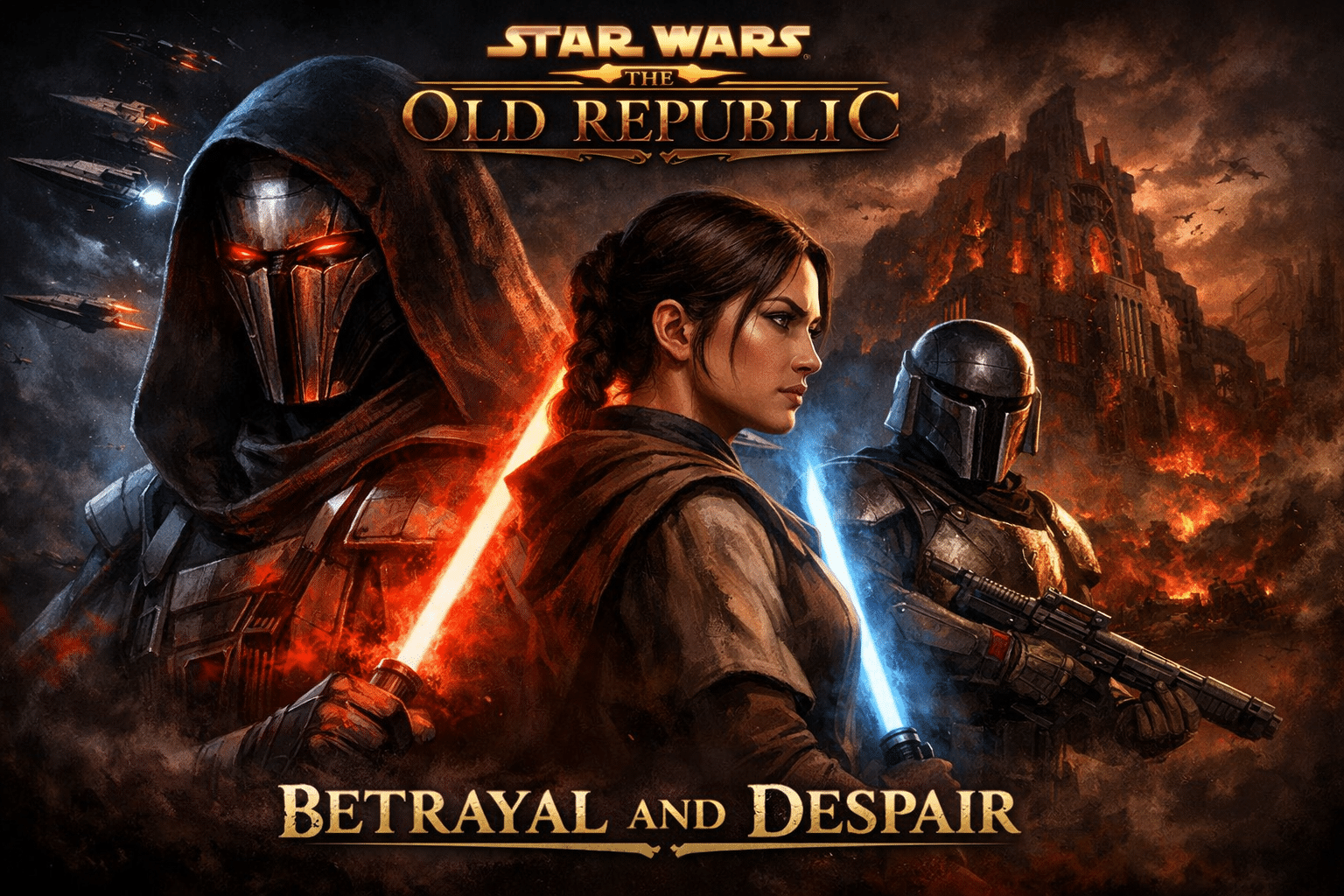
Star Wars: Knights of the Old Republic — Choice, Identity, and the Force
Long before modern Star Wars leaned into moral complexity, Knights of the Old Republic made player choice central to the experience.
Light side and dark side weren’t cosmetic. They shaped dialogue, relationships, and identity itself. The game treated the Force less like a superpower and more like a philosophy—something that reflected belief, fear, and intent.
Even after its Legends status, KOTOR’s influence never disappeared. Revan, ancient Sith empires, and the idea of cyclical conflict continue to echo through modern canon storytelling.
The galaxy became bigger—and morally messier—because of it.
Star Wars: The Force Unleashed — Pushing the Limits of Power
If KOTOR expanded philosophy, The Force Unleashed tested raw power.
Starkiller was intentionally excessive—an experiment in how far Force abilities could be pushed before the fantasy broke. The answer, it turned out, wasn’t “too far,” but “with consequences.”
The game introduced key concepts that quietly stuck:
- Secret apprentices
- Early rebel cells forming outside formal leadership
- The idea that rebellion wasn’t a single spark, but a convergence of failures and fear
Canon would later refine these ideas, but the blueprint was already there.
Star Wars Jedi: Fallen Order — Canon, Done Carefully
Jedi: Fallen Order marked a turning point.
This wasn’t canon-adjacent. This was canon—fully, deliberately, and cautiously so.
Cal Kestis wasn’t a galaxy-changing hero. He was a survivor. A footnote who lived through Order 66 and tried not to be noticed. The game respected the timeline by staying small, personal, and restrained.
That restraint mattered.
It showed how Star Wars games could tell meaningful stories without breaking established canon—and proved they could be trusted to do so.
Star Wars Squadrons — Perspective as Canon
Star Wars Squadrons didn’t introduce legendary characters or sweeping revelations.
Instead, it did something subtler: it reframed the galaxy.
By placing players in both Imperial and New Republic cockpits, the game humanized a conflict that’s often portrayed in absolutes. Pilots weren’t villains or heroes—they were professionals, believers, survivors.
That shift in perspective aligned perfectly with modern Star Wars’ interest in moral gray zones, especially in post-Original Trilogy storytelling.
Sometimes canon isn’t changed by facts—but by framing.
Quiet Influence, Lasting Impact
What unites these games isn’t scale. It’s permission.
They allowed Star Wars to:
- experiment safely
- explore consequences
- test ideas before committing them to film or television
By the time similar concepts appeared elsewhere, they already felt familiar.
The Jedi’s decline, the Sith’s failures, the cost of rebellion, the limits of power—many of these themes were explored interactively long before they became central to modern canon discussions.
Why These Games Matter More Than We Remember
Star Wars games rarely announce their importance. They don’t arrive with red carpets or premiere events.
They simply ask players to live in the galaxy for a while.
And in doing so, they shape how that galaxy is understood.
Canon isn’t built only by what’s loud and visible. Sometimes it’s shaped quietly—mission by mission, choice by choice—long before anyone notices the change.
FAQ
Are Star Wars games considered canon?
Some are fully canon, while others influenced canon ideas even if they’re now classified as Legends.
Which game had the biggest impact on Star Wars storytelling?
Knights of the Old Republic remains the most influential in terms of themes, structure, and long-term narrative impact.
Why do games influence canon so effectively?
Because they allow experimentation without the pressure of theatrical releases, making them ideal spaces to test new ideas.
Will future Star Wars games shape canon too?
Almost certainly. As games become more narrative-driven, their influence on canon is only growing.
Stay connected with the galaxy’s latest updates!
Follow us on X, Facebook, Instagram, or Pinterest for exclusive content, mod guides, Star Wars gaming news, and more. Your support helps keep the Holonet alive—one click at a time.