
A lot of people avoid editing tools for one simple reason: they feel too technical. Even when the result they want is clear in their head, the path to get there feels confusing. They may want to remove a background, sharpen a photo, replace something in the scene, or give the image a fresh style, but the software feels like a barrier instead of a helper. That is why AI Photo Editor platforms like PicEditor AI stand out. They do not ask you to master editing first. They try to meet you where you are.
PicEditor AI feels built for people who want results without feeling buried in complexity. That does not mean it is a weak tool. It means the product is organized around easier decision-making. The user does not have to begin with advanced technique. The user begins with a picture and a goal.
The Best Part Is That It Feels Goal-First
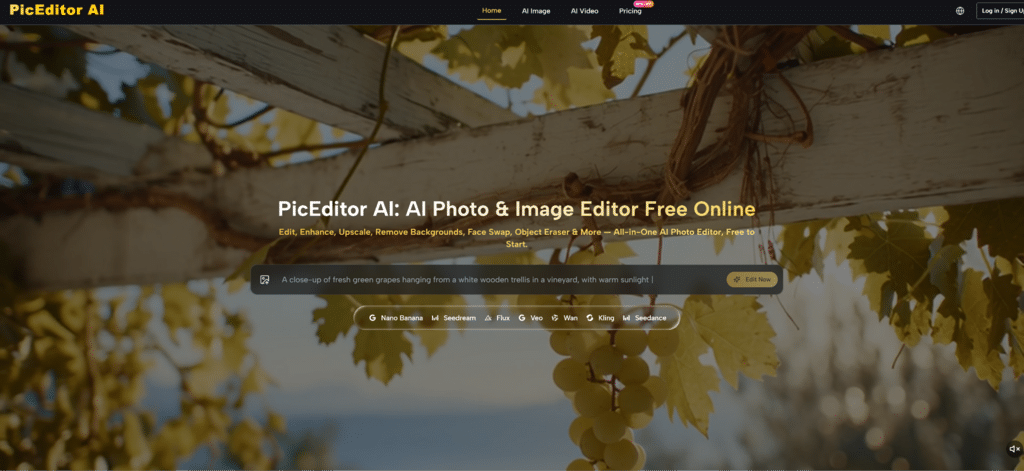
Some tools begin with features. PicEditor AI makes more sense when understood through goals. Instead of making the user ask, “Which technical function should I use?” it allows the user to think, “What do I want this image to become?”
That sounds like a small difference, but it changes the whole experience.
People Usually Know the Goal Before They Know the Method
Most users are actually pretty clear about what they want. They want a cleaner product photo. They want a portrait to look more polished. They want an image to feel more artistic. They want a distracting object removed. They want a better background. They want a stronger result for a post or ad.
What they do not always know is how to achieve that through traditional editing steps. PicEditor AI helps by making that gap smaller.
This Makes Editing Feel Less Like Homework
When the tool feels more natural, people are more willing to try ideas. They experiment more. They compare more versions. They keep going instead of stopping early because the process feels annoying. That alone is a big win for a creative platform.
The Platform Looks Useful Because It Covers More Than One Need
Many image tools are fine if you only need one thing. But real use is usually messier than that. One image may need a few fixes, a style update, and maybe even a new use later.
It Handles the “Make This Better” Stage Well
Often, the first problem is simple. The image needs help. It needs to look sharper, cleaner, or more professional. PicEditor AI seems well suited to that first stage because it is not asking the user to rebuild the image by hand.
This Matters for Small Businesses and Everyday Users
A lot of people using images are not artists. They are business owners, shop managers, freelancers, creators, and regular users trying to make something look better online. For them, speed and ease matter just as much as raw power.
A tool that helps improve an image quickly can save real time. And in many cases, that time matters more than perfect manual control.
Better Images Often Lead to Better Reactions
Clearer and cleaner visuals can make a product look more trustworthy, a post look more polished, and a brand feel more thoughtful. These improvements are not always dramatic, but they often have a real effect on how the image is received.
It Also Handles the “Make This Different” Stage
This is where AI Image Editor becomes more than a basic enhancer. It also supports larger creative changes, which means the user is not limited to fixing the existing photo. The user can also reshape it.
That Makes It More Useful for Creative Work
A platform becomes much more interesting when it can help with object removal, background changes, visual restyling, and other bigger edits. At that point, the image is not just being repaired. It is being rethought.
This Gives One Image More Value
A single source image can be used in more ways when the platform allows transformation. The same product photo can serve different campaigns. The same portrait can take on different moods. The same visual can be made more premium, more playful, more dramatic, or more minimal depending on the need.
That kind of flexibility is very practical. It means users can do more with what they already have instead of starting over every time.
Creative Testing Becomes Easier
People often do not want only one answer. They want options. They want to see how the image looks in different styles or settings before deciding. A platform that makes that process smoother is more useful than one that forces every choice to feel final.
Reference Support Makes the Tool More Serious
One problem with AI visuals is inconsistency. Sometimes the first result looks good, but the next result feels like it belongs to a different project. That can be frustrating if the user needs a stable look.
This Is Why Reference Images Matter
PicEditor AI highlights the use of reference images, and that is an important part of the platform. It gives users a way to guide the result instead of just hoping for a good surprise.
Consistency Is a Real Need
If someone is creating a series of visuals, a character, a store catalog, or a recognizable brand style, they do not want random shifts from image to image. They want continuity. Reference support helps make that possible.
This Is Where the Tool Feels More Useful for Ongoing Work
A tool that supports repeatable direction becomes more valuable over time. It is not only good for one nice image. It becomes better suited for workflows where several images need to feel connected.
PicEditor AI Also Thinks Beyond Still Photos
One thing that makes the platform feel more current is that it does not stop with static images. It also includes photo-to-video possibilities, which makes the workflow broader.
That Means a Photo Can Become More Than a Photo
This is a very practical idea. A still image may start as a product photo, a portrait, or a campaign visual. Later, that same image may need to become a short moving asset for social media, promotion, or storytelling.
This Reduces the Need to Jump Between Platforms
Many users lose time because their workflow gets broken into separate apps. They edit in one place, style in another, animate somewhere else, and export from a fourth system. When more of that process lives together, the work feels smoother.
That Smoother Flow Helps People Stay Focused
Creative work often slows down when the toolchain gets messy. A more connected platform helps users stay focused on the image itself instead of constantly managing files and tools.
A Friendly Way to Use PicEditor AI
The platform can be understood through a simple everyday flow.
Step 1: Start with the Image You Have
Bring in the image you want to improve or transform.
Step 2: Choose the Direction
Decide whether you want a cleaner version, a bigger change, a new style, or a motion result.
Step 3: Explain What You Want
Use plain language to describe the look or change you want.
Step 4: Review and Adjust
Compare the result, make refinements, and keep going until it fits your purpose.
Who This Kind of Tool Helps Most
| User Type | Why PicEditor AI Can Help |
| Small business owners | Makes product and marketing images easier to improve |
| Content creators | Helps create more polished and varied visuals |
| Social media users | Useful for fast upgrades and creative experiments |
| Designers exploring ideas | Good for trying multiple directions quickly |
| Non-experts | Easier to approach than technical editing software |
It Still Has Boundaries, and That Is Fine
No tool solves everything perfectly.
Strong Inputs Still Matter
A clearer source image usually gives the platform more to work with. Better inputs often lead to better outputs.
The User Still Needs Taste
AI can do more of the execution, but the user still decides what looks right, what feels off, and what direction makes sense.
That Balance Is Actually Healthy
PicEditor AI seems strongest when it works as a helper, not as a replacement for judgment. It lowers the barrier to editing, but it still leaves room for the user’s own eye and decisions.
Why PicEditor AI Feels Easy to Return To
Some tools are impressive once but tiring to use often. PicEditor AI feels easier to imagine as a repeat-use platform because it is based on a simple promise: help people get from image to better image with less friction.
That promise is easy to understand, and more importantly, it is easy to use. You do not need to become an editing expert before you get value from it. You only need a goal, a source image, and a willingness to try. For many users, that is exactly the kind of simplicity that makes a tool worth keeping in the workflow.
Author

Related Posts

“May the Science Be with You” in Las Vegas will bring science and the Star Wars universe together- Why Faster Video Editing Matters for Gaming Creators and Community Teams

Star Wars Zero Company Just Got a Proper Official Home — and Wider Wishlisting
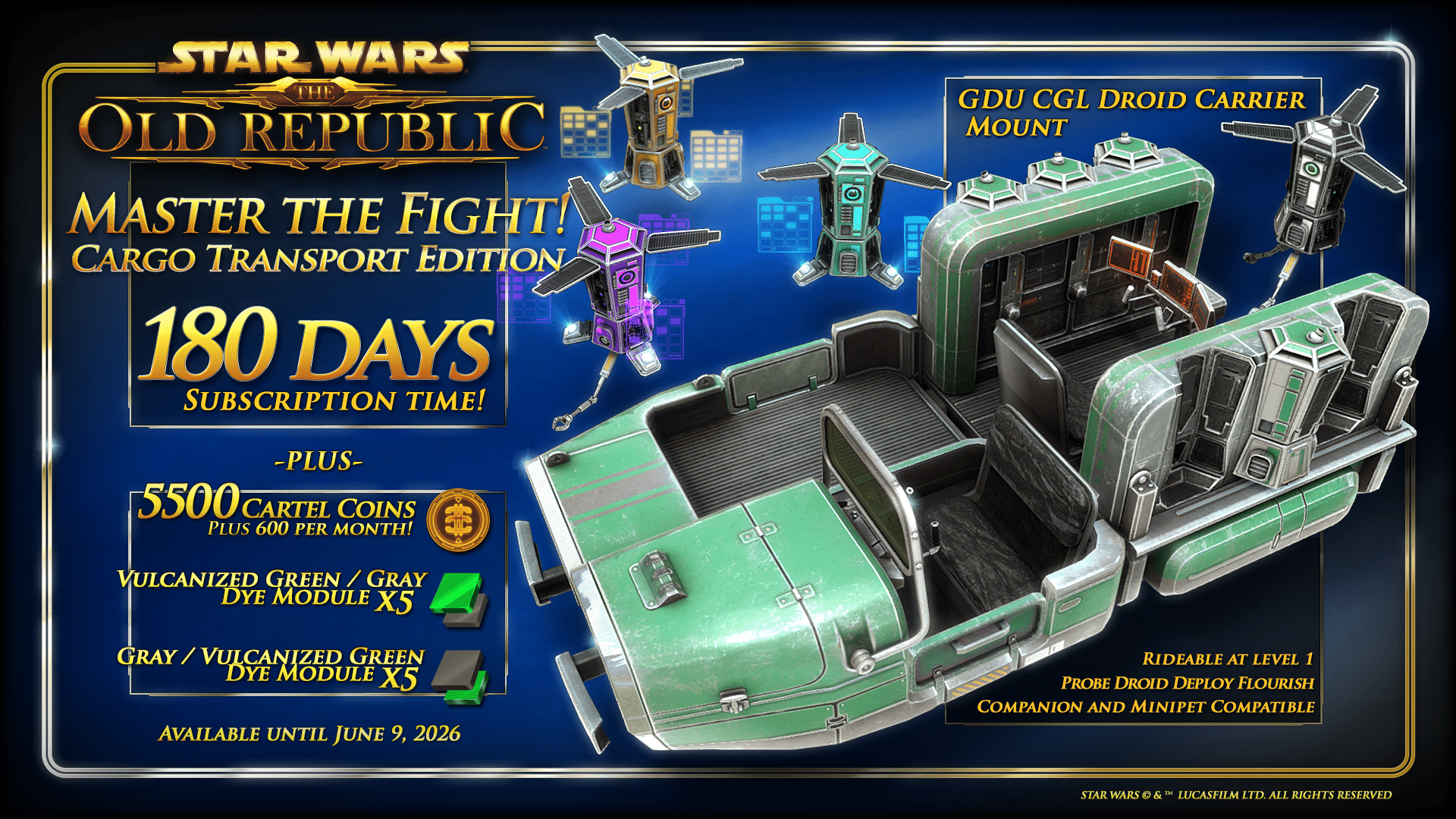
SWTOR Just Dropped a $99.99 Cargo Transport Bundle



Lucasfilm and IMAX Are Letting Fans Watch the First 30 Minutes of The Mandalorian & Grogu on May the 4th
Free Image to Image AI: A Practical Guide to Turning Ideas Into Visual Reality-
Burger King Is Getting a Mandalorian & Grogu Menu on May the 4th 
Jon Favreau Used Apple Vision Pro to Build Mandalorian & Grogu for IMAX