Star Wars doesn’t need another safe bet
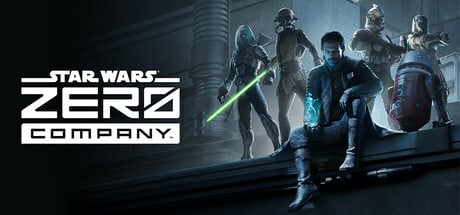
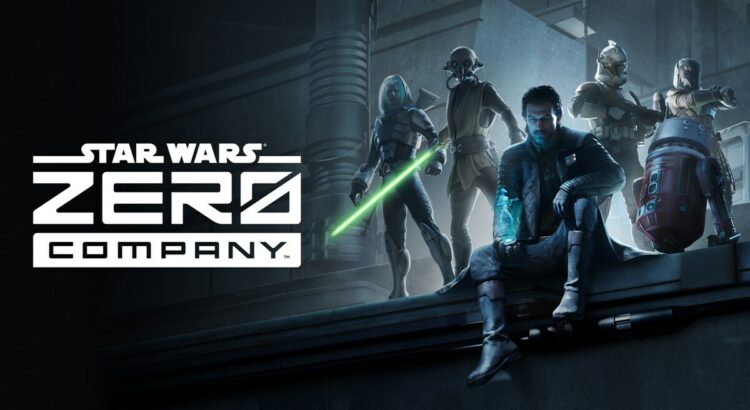
For a long time, Star Wars games have lived in a fairly narrow lane. Big third-person action, lightsabers, cinematic set pieces, familiar heroes, and just enough open-world or RPG flavour to make it feel current. That formula can work, and often has, but it has also made the gaming side of Star Wars feel more predictable than the galaxy itself. That’s why Star Wars Zero Company stands out. It isn’t just another branded action game with a different coat of Clone Wars paint. It’s a single-player turn-based tactics game from Bit Reactor, built with Respawn and Lucasfilm Games, set during the Clone Wars, and due in 2026 on PC, PlayStation 5, and Xbox Series X|S. On premise alone, that already feels like a better kind of risk.
Strategy suits Star Wars better than people like to admit
The obvious shorthand is to call it “Star Wars XCOM”, and there’s some truth in that, given Bit Reactor’s pedigree. But the more interesting point is that Star Wars has always been a strategy-friendly universe anyway. This is a franchise built on military campaigns, political intrigue, fractured loyalties, covert operations, attrition, sacrifice and impossible odds. It was only a matter of time before someone stopped asking how to make Star Wars feel faster and started asking how to make it feel smarter. Early official details point to exactly that direction: a customisable former Republic officer called Hawks, a recruitable squad of original operatives, meaningful bonds between squadmates, and a campaign built around tactical missions and decision-making rather than pure spectacle. That feels much closer to the actual texture of war in Star Wars.
The timing is good
That’s what makes this project feel well judged in 2026. Star Wars as a brand is still huge, obviously, but huge brands can become lazy. They start pulling the same lever over and over because they know it pays often enough. More Jedi. More blasters. More nostalgia. More recognisable iconography dropped into slightly different shapes. There’s a reason that approach keeps coming back, it usually works, but it also has a way of flattening a universe that ought to feel bigger than a few repeatable formulas. Zero Company looks promising precisely because it refuses to act like every Star Wars player wants the same kind of thrill. Some players want tension, loss, positioning, planning and consequence. Some want to feel the war rather than merely pose inside it.
Fewer spins, more strategy
Star Wars games have almost always worked, regardless of their format. In fact, one of the odd things about Star Wars is how easily it slides into reel-based spectacle. There’s an official Star Wars slots game from JDB, and there’s also Star Wins, which isn’t officially licensed but is so transparently riffing on the same lights-and-darkness space-opera language that the reference barely needs spelling out. That tells you something useful about the franchise’s commercial life beyond the fact that gambling is popular. Star Wars imagery is strong enough that people will happily keep spinning if you slap enough galactic symbols on the reels and promise that the next result might be the big one. Casino review websites like All Sister Sites tell us that these games are way more popular than the average slots title. It’s easy to reduce the whole thing to atmosphere, familiarity and a dopamine loop.
What makes Zero Company interesting is that it pushes in the other direction. It isn’t asking players to sit back and trust the reels. It’s asking them to think, choose, commit and live with the fallout. That’s a much more rewarding use of the setting. Star Wars should be more than a branded jackpot machine, whether literal or metaphorical. It should let players get their hands on the difficult parts, the planning, the compromises, the tension between loyalty and survival. In that sense, Zero Company feels like a small act of resistance against the most cynical version of franchise gaming. It’s still a commercial product, of course, but it doesn’t look like one built only to cash in on familiar symbols.
The previews made the project sound even more encouraging
The early hands-on reaction we’ve seen recently only strengthened that impression. PC Gamer described it as more than “Star Wars XCOM”, comparing parts of it to Mass Effect but with turn-based tactics and permadeath, which is about as promising a sentence as this genre can hope for. The preview also suggested a game interested in relationships, in squad identity, and in the way narrative stakes can feed tactical ones. That’s important, because strategy games don’t really thrive on mechanics alone anymore. If Zero Company is going to matter, it has to do more than offer clean percentages and cover-based firefights. It has to make the player care who survives, who bonds, who breaks, and what gets lost when a mission goes wrong. The signs so far suggest the developers understand that.
It also helps that the Clone Wars remain underused in games
That era keeps proving how flexible it is. You can tell heroic stories in it, political stories, horror stories, espionage stories, clone-centred tragedies, separatist stories, Jedi stories, or stories that barely involve Jedi at all. That elasticity makes it perfect for a tactics game, because tactics games love pressure, divided loyalties and messy chain-of-command situations. A war zone full of compromised officers, strange alliances and attritional missions is fertile ground for exactly the sort of campaign Zero Company seems to be aiming for. It’s probably the best choice they could’ve made if the goal was to prove that Star Wars doesn’t need to be permanently chained to the same handful of action templates.
The bigger question is whether Star Wars will learn the right lesson from it
If Zero Company lands well, the smartest conclusion Lucasfilm Games could draw wouldn’t be “make more tactics games” in an assembly-line sense. It would be “trust the universe to hold different genres without panicking”. That’s the real opportunity here. Star Wars is rich enough to support strategy, management, horror, detective stories, political sims, survival games and all sorts of things the franchise has barely touched. But that only happens if somebody inside the machine is willing to stop yanking the same lever and hoping the old symbols line up again. Zero Company matters because it looks like one of those rare moments where the people in charge have decided not to play the easiest table in the room. And after years of safe bets, that may be exactly what Star Wars gaming needed.