This year, the eight-year-old shooter Star Wars Battlefront 2 unexpectedly came into the spotlight of the gaming community. The game set its own records for the number of concurrent players, and fan discussions and calls for a continuation of the series show no sign of stopping. How did a largely forgotten video game become a phenomenon again, and what role does the Andor series play in this revival?
The return of Battlefront 2 and why the old project is being discussed again
When Star Wars Battlefront 2 was released in 2017, the project immediately faced serious criticism. The reason was in-game purchases—the so-called “lootboxes,” which gave players a tangible advantage for real money. The wave of outrage reached not only website ratings but was also discussed at the level of US government agencies. Despite large-scale overhauls of the monetization system and the removal of most controversial mechanics, the game faded into obscurity for years.
However, in 2024, Battlefront 2 unexpectedly returned to the top of discussions. Against the backdrop of Star Wars-inspired series and constant nostalgia for earlier times, the shooter once again became a platform for large-scale fan battles. The new activity covered not only franchise fans but also players who had previously missed the project.
The influence of the Andor series and the “delayed success effect” phenomenon
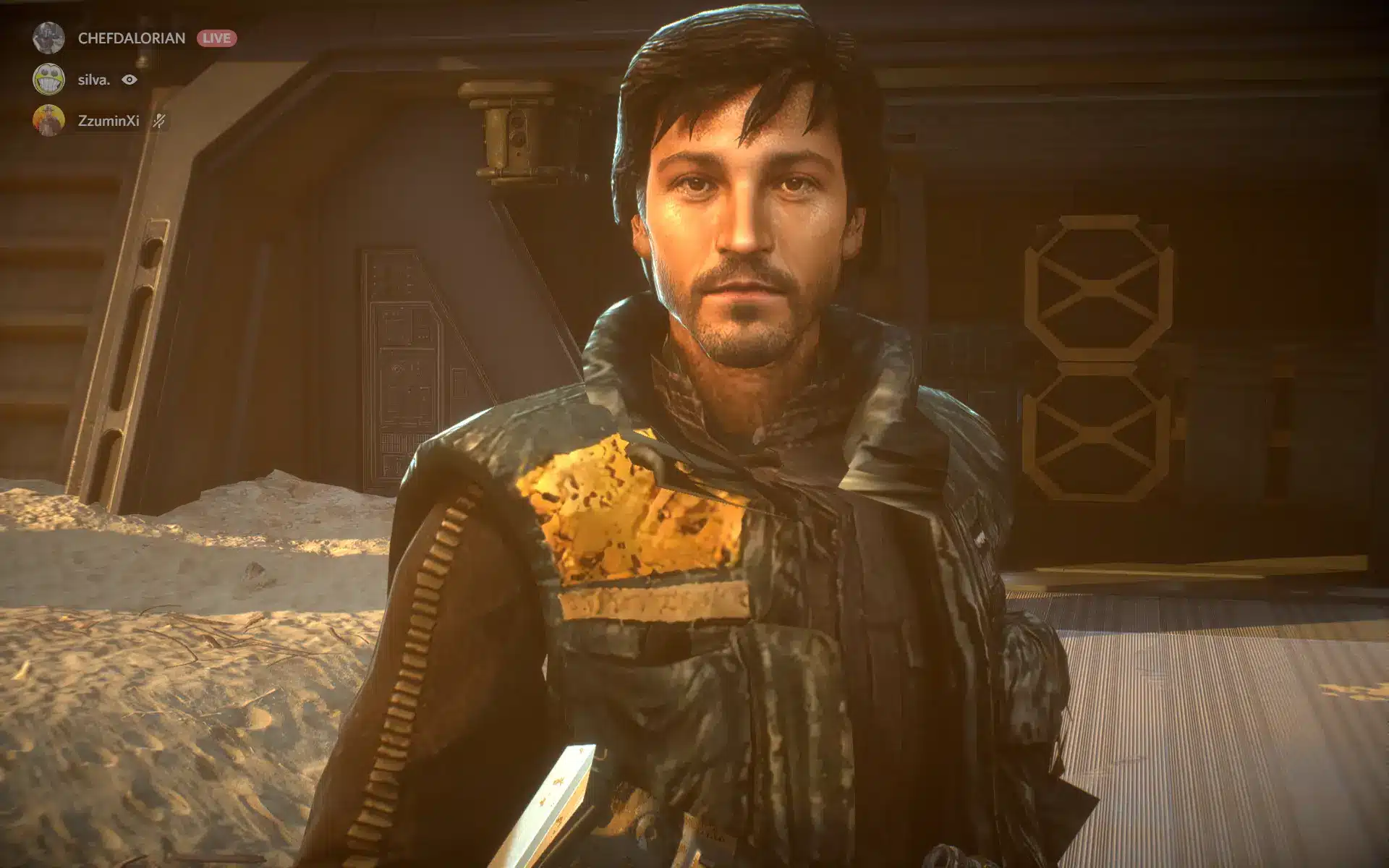
The appearance of the second season of the Andor series became a catalyst for the audience’s return to Battlefront 2. The conclusion of the storyline about the formation of the Rebel Alliance left viewers with the feeling that large-scale battles were still ahead. Many wanted to recreate their favorite episodes on screen that were missing from the series.
Fan forums and specialized groups on social networks were filled with discussions where participants shared their impressions of the Andor finale and advised each other to return to in-game battles. Thus, the so-called “delayed success effect” emerged. The storylines of the series turned out to be closely connected with the atmosphere of Battlefront 2: players compared in-game battles to the events of “Rogue One” and “A New Hope,” which increased emotional engagement.
Audience growth dynamics
Notably, in the spring of 2024, about 1,500 people were playing Battlefront 2 simultaneously on the Steam platform. After the finale of the second part of Andor was released, this number began to grow rapidly. In May, the number of concurrent players on PC increased to 18,000, and in June an absolute record was set—35,321 peak players, according to official SteamDB data. On PlayStation 4, PlayStation 5, Xbox Series X/S, and Xbox One, the game remains in the list of the 15 most popular projects for several weeks, as noted by specialized portals Push Square and TrueAchievements.
An important nuance is that the Steam version of Battlefront 2 was launched years after release, and the project was originally exclusive to the Origin digital service. This explains the relatively small numbers in the first months, but does not diminish the current impressive growth. Analyzing the data, experts highlight the high reliability of Steam statistics and separate discrepancies regarding consoles due to closed platform ratings.
The role of social networks, memes, and influencers
A strong boost to the new Battlefront 2 boom was given by actor Mounnad Ben Amor, who played one of the roles in Andor. In his Instagram Stories, he shared a personal story: he admitted that he had spent hundreds of hours in the game since childhood and publicly expressed hope for a continuation of the series. This post instantly went viral.
On TikTok and Instagram Reels, users began actively creating memes dedicated to returning to Battlefront 2. Gameplay challenges, videos with memories of school holidays when the shooter had just come out, and compilations of bright gameplay moments created the effect of “everyone is here again.” This phenomenon was called FOMO—the fear of missing out on a wave or trend. Social algorithms only amplified the spread of videos, creating a sense of a “mass return.”
Economic factors of price, accessibility, and sales
Pricing policy played a significant role in the new success. During the summer sales, the price of Battlefront 2 on Steam dropped to $4, and physical copies for consoles were sold at retail at an extremely attractive price. Many players noted in the comments that they bought the game just to try it at that price, and then stayed with the project for a long time.
Accessibility and low price became an additional incentive for a belated introduction to the game. Mass sales combined with the viral effect of social networks spurred interest even among those who had previously had a negative attitude toward Battlefront 2 due to its complicated history.
Fan expectations and calls for the release of Battlefront 3
The revival of Battlefront 2 instantly generated a wave of demands to publisher EA for a sequel. Users massively post with the hashtags #Battlefront3 and tag company representatives in the comments. Major bloggers and the actors themselves, including Mounnad Ben Amor, openly express hope for a new installment.
At the same time, the industry was actively discussing news about the closure of the promising Titanfall series project, which only increased skepticism and concerns about the future of Battlefront. According to insider statements, Electronic Arts does not currently plan to release Battlefront 3, but experts, including IGN and PC Gamer, assess the likelihood of the series resuming as low in the coming years.
The lootbox scandal and its consequences
The term “lootbox” means random in-game items that can be obtained for real money. In 2017, the introduction of lootboxes in Battlefront 2 caused a sharp negative reaction—players accused EA of a “pay-to-win” mechanic, where success in the game directly depended on spending on microtransactions. The scandal grew into a large-scale discussion about the fairness of video games and led to intervention by regulators in the US and Europe.
The story with lootboxes in Battlefront 2 became not just a gaming scandal, but part of a broader discussion about the similarity of gaming mechanics to gambling practices. At that time, many paid attention to the sharp rise in interest in risky forms of entertainment.
On Star Wars-themed forums, users noted a surge of interest in classic gambling, especially among the younger audience. Some noticed that the style of certain slots strongly resembles Battlefront—this could be one of the reasons why young players show interest in them.
A user from Canada with the nickname “Vinogradoff” suggested view site www.casinosbonusca.com with a selection of online casinos, some of which have slots with a style similar to Star Wars. However, noticing his comment turned out to be a difficult task—he received many dislikes from critics of lootbox mechanics.
The scandal around Battlefront 2 went far beyond a single game. It became a starting point for the reconsideration of monetization in the entire industry and changed attitudes toward lootboxes for years to come.
Under public pressure, EA completely overhauled its monetization system in Battlefront 2 and partially influenced the reconsideration of microtransactions throughout the industry. After this, many studios abandoned aggressive lootboxes or made them cosmetic.
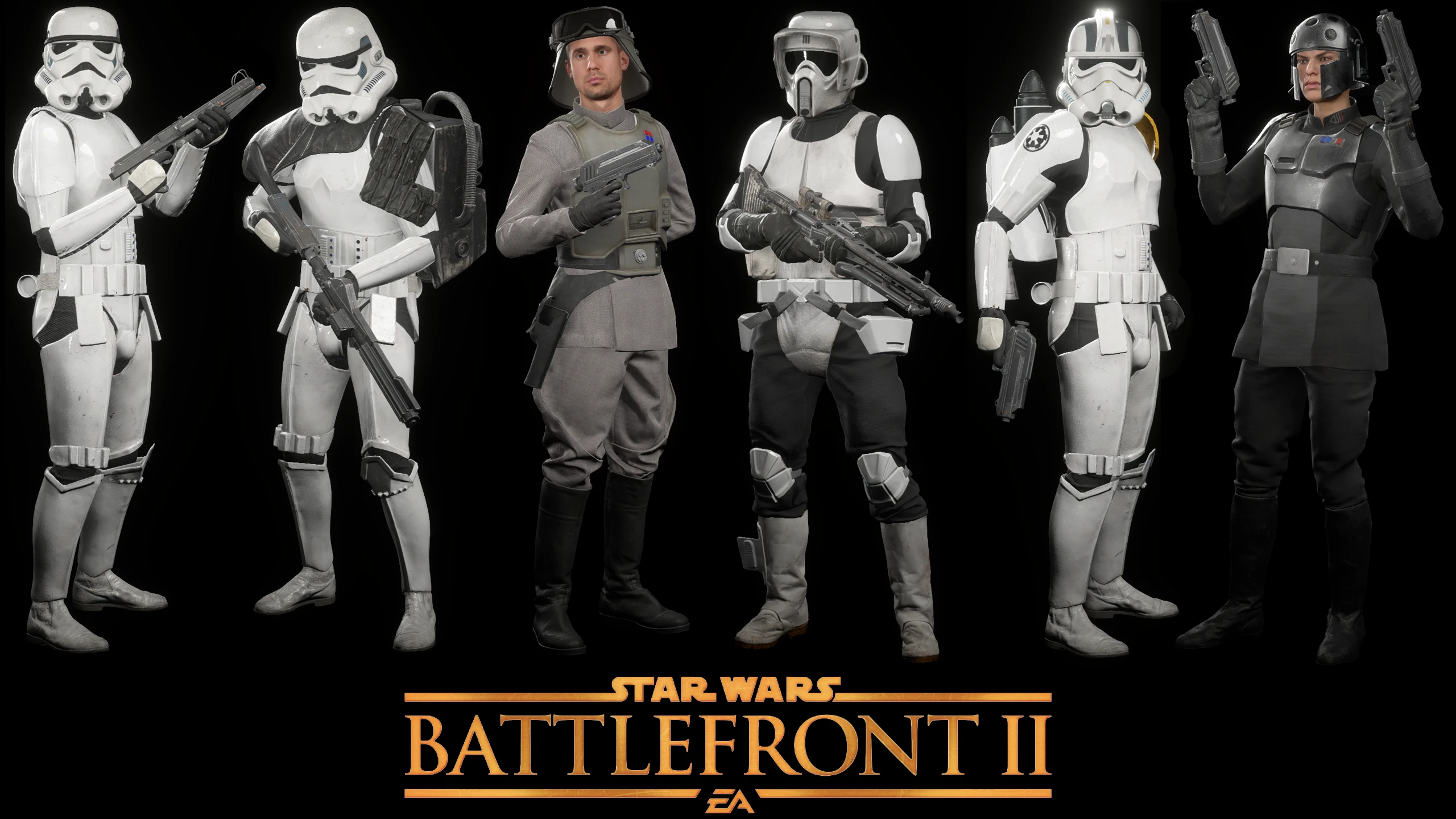
Battlefront 2 as an “island of nostalgia” and the fan community
Today, Battlefront 2 is called an “island of nostalgia” for those who miss the times before the pandemic and the sharp changes in the gaming industry. For veterans, the game has become a symbol of “the best years,” and for new users—a chance to experience large-scale team battles in the Star Wars atmosphere for the first time.
The Supremacy mode, designed for a series of long and intense 20-on-20 battles, has gained particular popularity. Collective returns, joint streams, and forum discussions have turned Battlefront 2 into a platform for communication and new shared memories. Similar stories are known from other franchises, for example, Minecraft or CS:GO, when a wave of returning players was triggered by a surge of interest in pop culture.
Author

Related Posts

How the Star Wars Outlaws team recreated Sabacc and changed the approach to mini-games
Disney’s 2026 Slate Confirms Two New Star Wars Shows — And They Couldn’t Be More Different-
Mark Hamill Says Luke Skywalker’s Ending in The Last Jedi Was “A Nice Exit” — And He Means It -
The Mandalorian Joins Disney’s Billion Hours Club — And It’s a Star Wars First


-
Remembering Jeremy Bulloch: The Man Behind Boba Fett, Five Years On -
Star Wars: Galaxy of Heroes – Update 12-17 Breakdown (Datacrons, Make Goods, and a Small Oops) -
Sigourney Weaver Cheekily Breaks Down What It’s Like to Hang with A Group of Grogus on The Mandalorian & Grogu -
Rian Johnson Says The Last Jedi and Wake Up Dead Man Are Spiritually Connected — And Suddenly Everything Clicks