The easiest way to describe Star Wars Zero Company is still “a Star Wars tactics game.”
That is also the least interesting way to talk about it.
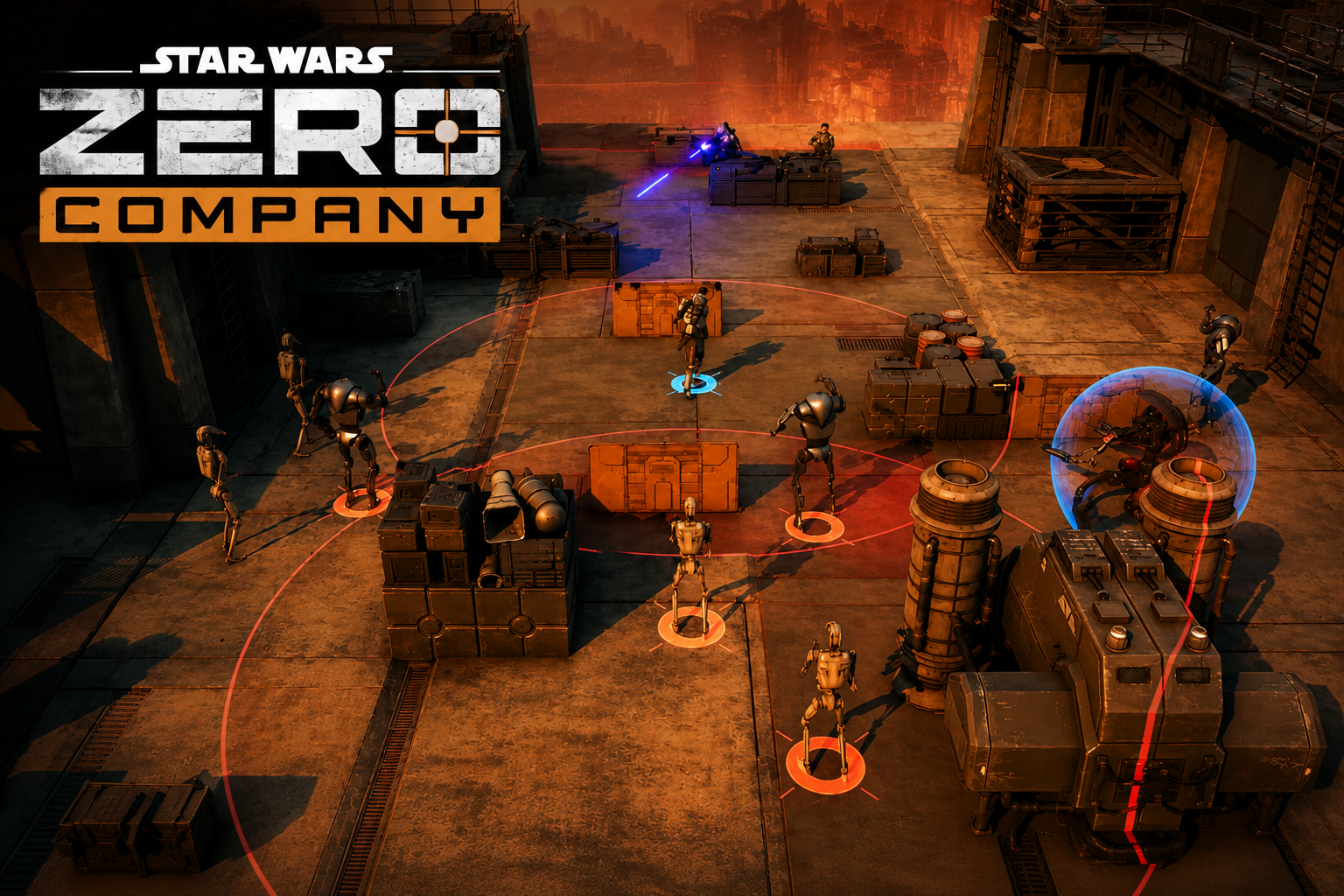
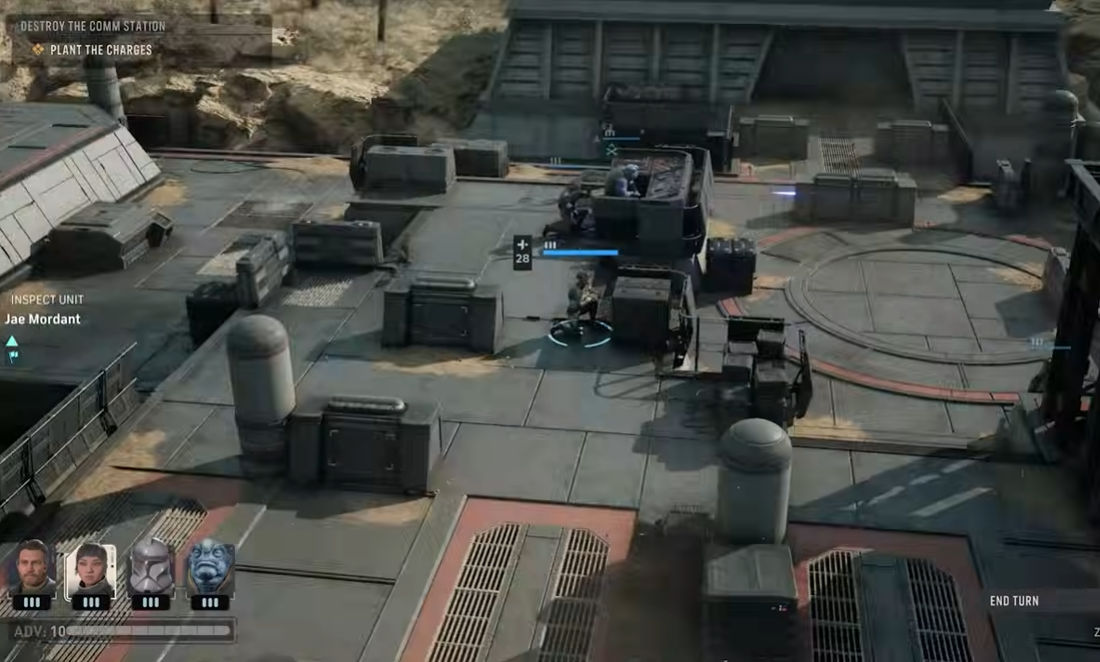
Yes, Bit Reactor’s upcoming turn-based tactics game has cover, classes, tactical decisions, squad builds, and all the lovely battlefield panic that comes with telling four people to survive a Clone Wars mission with a plan that sounded much better in your head.
But a new Xbox Wire interview with Creative Director Greg Foertsch and Lead Designer James Brawley suggests the game’s most important idea may not be the tactics.
It may be the relationships.
Zero Company Is Leaning Into Found Family
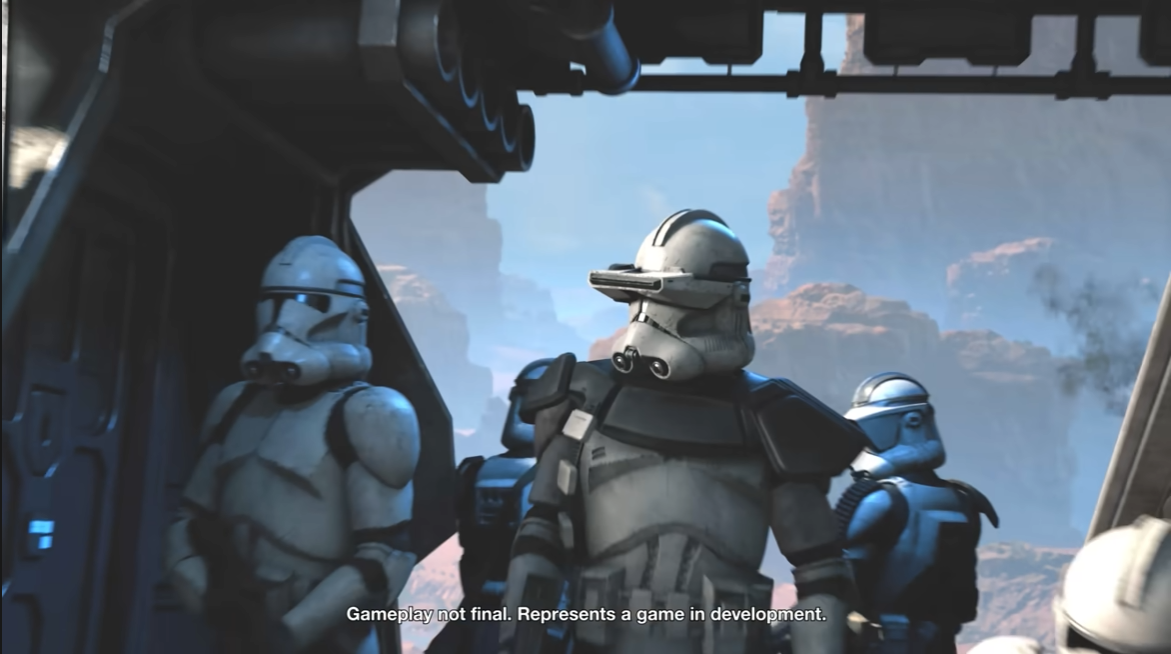
Foertsch says Star Wars is at its best when it is about relationships and found families, pointing to Star Wars Rebels as one example. That is not just a cute quote for the trailer crowd. It appears to be a real design principle.
In Zero Company, every character on your roster has a tracked relationship with every other character. Those relationships can improve through missions, support actions, healing, shot assists, and strategy-layer assignments.
In other words, the game is not just asking you to build a squad.
It is asking you to build a group of weird little Star Wars disasters who slowly learn to trust each other before you send them into terrible situations. Very healthy. Very Star Wars.
Bonds Are Gameplay, Not Just Story Flavor
This is where Zero Company could separate itself from being “XCOM, but someone painted a clone helmet on it.”
The bond system means relationships feed back into the tactical side of the game. Characters who work together can grow stronger together, and those bonds can affect how they perform in combat.
That matters because Star Wars crews are rarely interesting because they are perfectly optimized. They are interesting because they are messy.
Han and Leia. Kanan and Rex. Cassian and K-2SO. Cal and Merrin. The franchise works when characters disagree, survive, soften, and somehow become a family while everything around them is exploding.
If Zero Company can turn that into actual gameplay, it may have found the right Star Wars hook.
The Tactics Still Sound Sharp
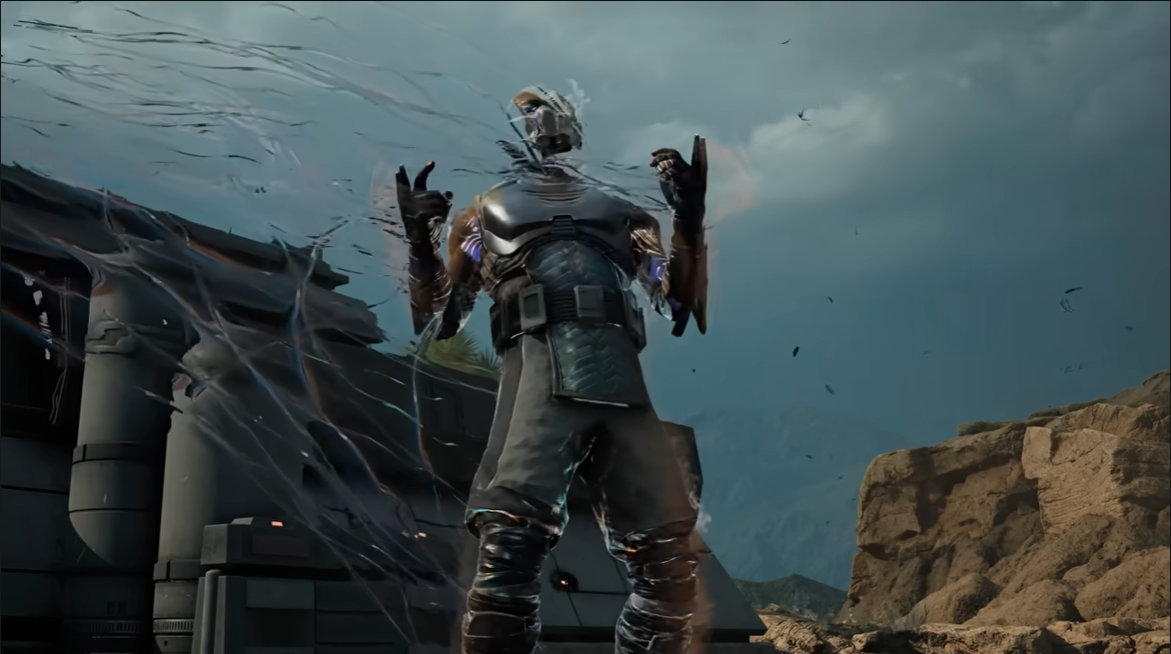
The interview also gives tactics fans plenty to chew on. Zero Company has eight specializations: Assault, Heavy, Sharpshooter, Scoundrel, Soldier, Gunslinger, Scout, and Medic. Later in the game, characters can unlock a secondary specialization, opening the door for more flexible builds.
There is also an Advantage Points system, where damaging enemies builds a shared squad resource used for powerful abilities. That sounds like a smart way to create momentum, instead of letting players unload every big move in the first turn like a tactical toddler with a rocket launcher.
Even more interesting, Zero Company does not use traditional Fog of War. You know where enemies are. Overwatch is also not omnidirectional. Instead, players place a cone in the combat space, which should make the old “crawl forward and overwatch everything” strategy less dominant.
That is a good sign. The game is clearly inspired by tactics classics, but it is not just kneeling before them.
Star Wars Needs More Games About Crews
The best Star Wars games are often the ones that understand the galaxy is bigger than Jedi destiny.
That is why games like Knights of the Old Republic, Republic Commando, Jedi: Fallen Order, and even The Old Republic work so well. They give players a crew, a role, and a reason to care about people beyond the main hero. You can see how wide that playable history gets in our Complete List of All Star Wars Games Ever Made.
Zero Company seems to understand that same idea.
The tactical battles need to be good, obviously. Nobody wants a Star Wars strategy game where the strategy feels like assembling furniture in the dark. But the real magic may come from whether players care about the squad before the blaster bolts start flying.
Because in Star Wars, tactics are fun.
But tactics with people you actually care about?
That is how you make every bad decision feel personal.