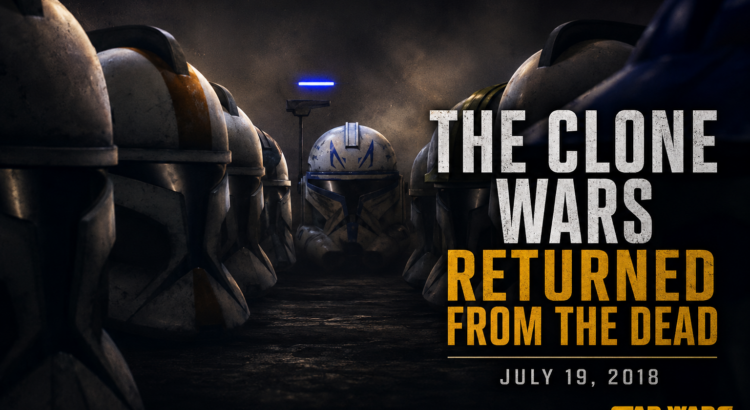
On July 19, 2018, Star Wars: The Clone Wars did something Star Wars stories are usually pretty dramatic about.
It came back from the dead.
During San Diego Comic-Con, Lucasfilm revealed that The Clone Wars would return with new episodes, dropping a trailer that opened old wounds, revived unfinished arcs, and instantly sent fans into emotional hyperspace. The announcement came during the show’s 10-year anniversary panel, where Dave Filoni and the cast looked back at the series before revealing that the story was not actually over.
For anyone who had followed the show through its cancellation, unfinished story reels, “The Lost Missions,” and years of “what could have been” conversations, this was not just another trailer.
It was closure getting a second chance.
A War Left Unfinished
The Clone Wars had always been a strange case.
It began as a companion piece to the prequel era, but over time became one of the most important pieces of Star Wars storytelling ever made. It gave Anakin more texture. It turned the clones into actual people instead of identical helmets. It made Ahsoka Tano essential. It gave the Jedi Order’s collapse more weight. It made the prequels feel bigger, sadder, and, honestly, better.
Then it stopped.
The series ended without fully reaching the moment everyone knew was coming: the final days of the Clone Wars and the shadow of Revenge of the Sith. A few post-season-five episodes later arrived as The Lost Missions, but the feeling remained the same.
The war had not been finished.
That is why the 2018 return trailer hit so hard. It was not selling a random revival. It was promising to finish a story that fans had spent years refusing to let go.
StarWars.com described the comeback by noting that “the story wasn’t over,” and Filoni said he was happy for the chance to define the end of that part of the Clone War.
That was the hook.
Not nostalgia.
A missing ending.
The Trailer Became a Fan Moment Immediately
The trailer itself understood exactly what it needed to be.
Clone helmets. War imagery. The old visual language of the series, sharpened and made heavier. Ahsoka returning. Rex still carrying the emotional burden of a soldier who knows too much and controls too little.
And then the message fans had been waiting for:
The Clone Wars saved.
Lucasfilm later published fan reactions from SDCC, and the mood was basically disbelief. One fan quoted by StarWars.com said they had expected old material or something unreleased, but the fact that the show was actually coming back with new content was “blowing my mind.”
That was the energy.
Not polite excitement.
Full “wait, this is actually happening?” chaos.
Why This Still Matters for Star Wars Games
Even though this was television, the return of The Clone Wars matters deeply to Star Wars gaming too.
The Clone Wars era has always been one of the best playgrounds for games. Clones, Jedi generals, Separatist armies, droids, walkers, gunships, planetary campaigns, moral grey zones, and battlefield scale. It is basically a game designer’s buffet table, if that buffet table was also emotionally devastating.
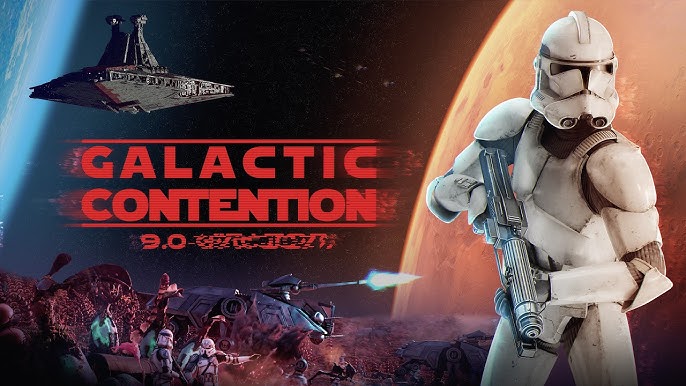
That is why the era keeps resurfacing in gaming discussions and fan projects. We recently covered how Star Wars: Galactic Contention is relaunching with Unreal Engine 5, bringing large-scale Clone Wars battles back through a fan-made Squad total conversion. It works because players still want to step into that war, not just watch it.
The same pull is visible in official upcoming games too. Star Wars Zero Company is built around tactical squad combat during the Clone Wars, leaning into exactly the kind of wartime uncertainty that made the era so rich. The franchise’s long gaming history, from shooters to RPGs to strategy titles, shows how flexible Star Wars can be when it gives players more than just the Skywalker front row. Our complete list of every Star Wars game ever made makes that painfully obvious.
The Clone Wars fits games because it is not just one story.
It is a whole war full of stories.
The Revival Changed the Franchise’s Memory
Looking back, the 2018 announcement now feels like one of those moments where the fanbase briefly agreed on something.
Rare. Dangerous. Possibly illegal.
But it happened.
The return of The Clone Wars proved that unfinished Star Wars stories could still matter years later. It cemented Ahsoka, Rex, Maul, Mandalore, and Order 66 as even more central to the franchise’s modern identity. It also showed Lucasfilm that animation was not secondary Star Wars.
It was Star Wars.
That matters because so much of the franchise now depends on connective tissue built through animated storytelling. The Bad Batch, Tales of the Jedi, Ahsoka, Mandalorian-era lore, and the continued importance of clone stories all sit in the shadow of what The Clone Wars became.
And on July 19, 2018, fans got the impossible version:
The show was not done.
The war was not over.
The story was finally coming home.
Author

Related Posts

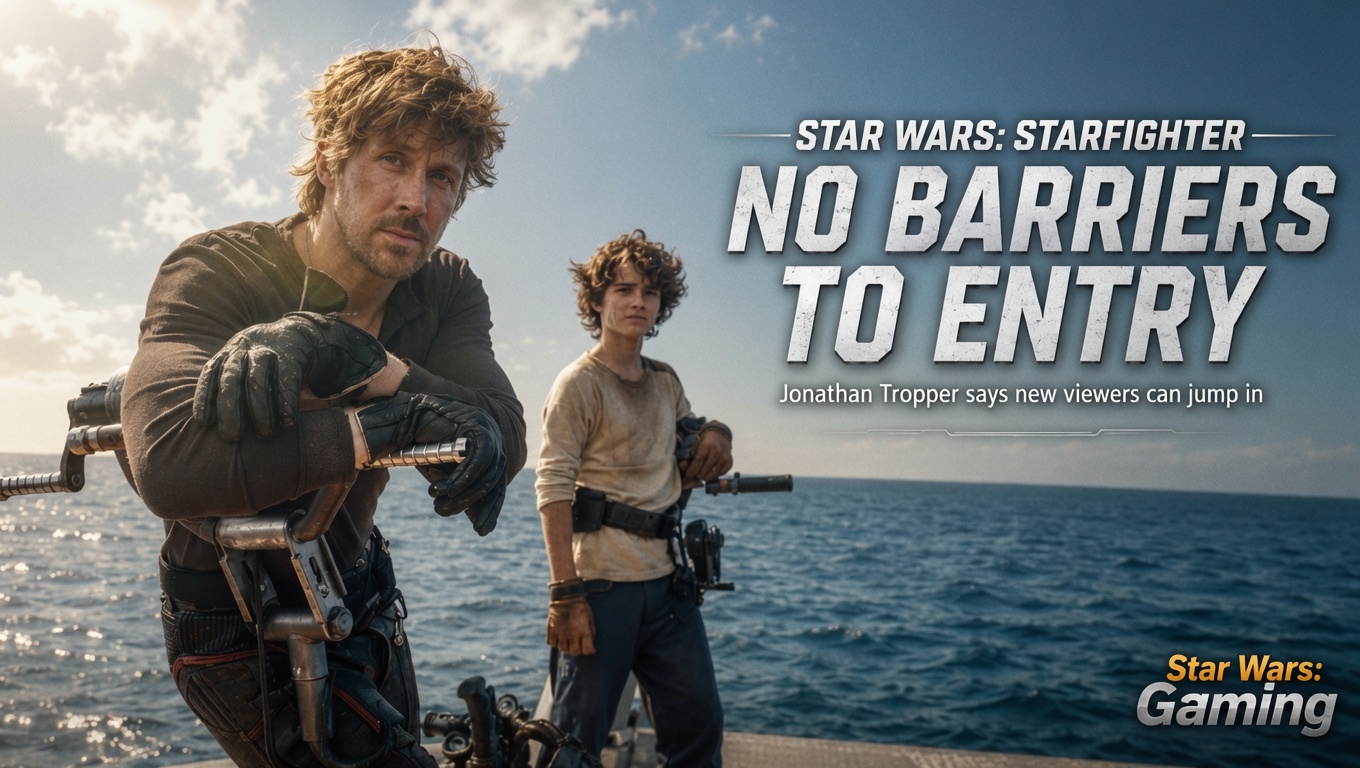
Star Wars: Starfighter Writer Says There Are “No Barriers to Entry,” and That Might Be Exactly What the Franchise Needs
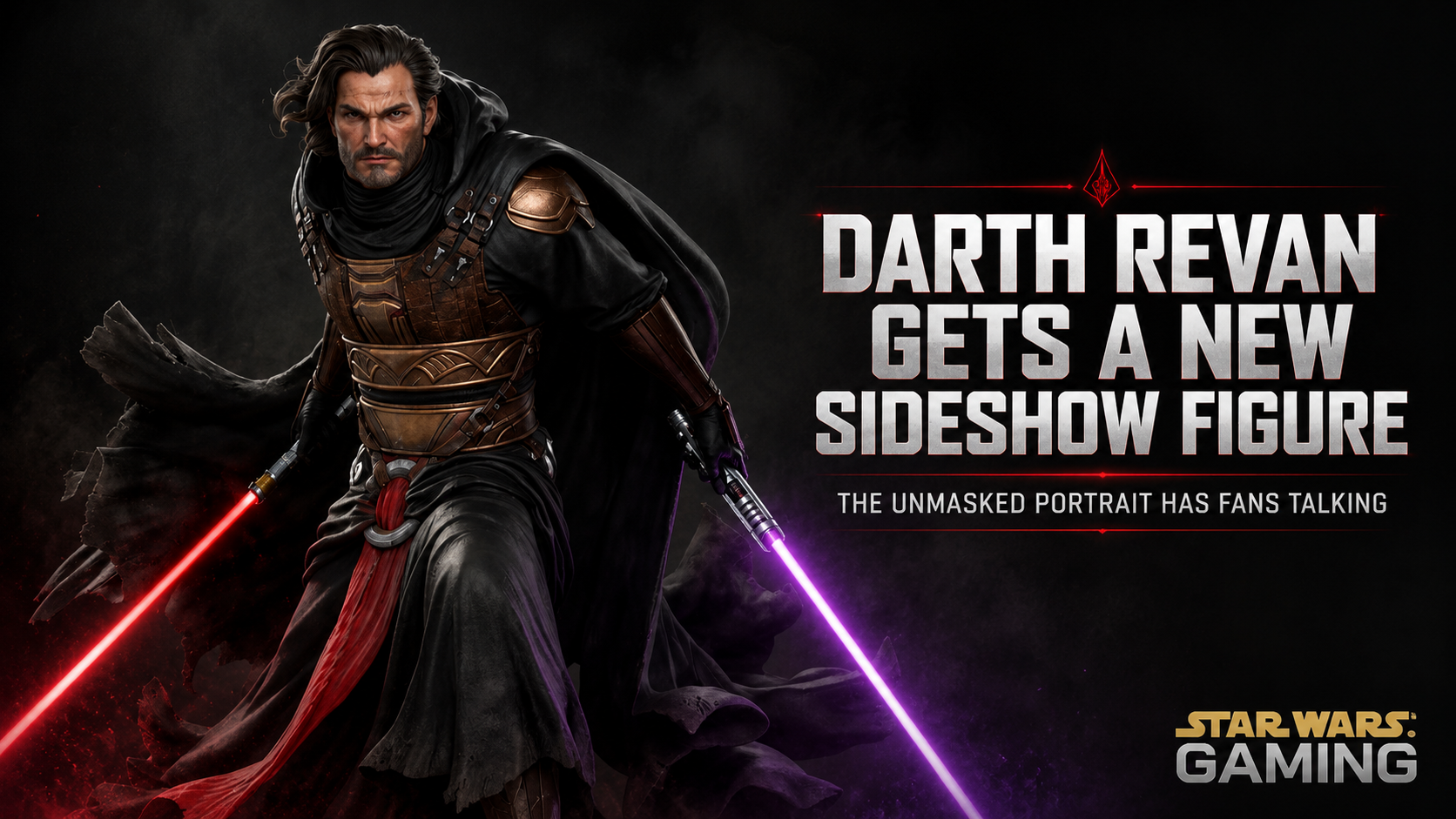
Darth Revan Gets a New Sideshow Figure, and the Unmasked Portrait Has Fans Talking
PowerWash Simulator 2’s Star Wars Pack Is Out Now, So the Galaxy Can Finally Be Clean Again
Star Wars: Galactic Contention Relaunches This Month With Unreal Engine 5
Why Independent Media is Changing How We Track Gaming and Pop Culture Trends
D23 2026 Schedule Revealed, and Star Wars Fans Should Probably Watch the Gaps
KOTOR Remake May Finally Be Targeting 2028, Which Somehow Feels Both Close and Ridiculous
Star Wars Trilogy Arcade (1998): The Sega Machine That Turned the Original Trilogy Into a Theme Park Ride