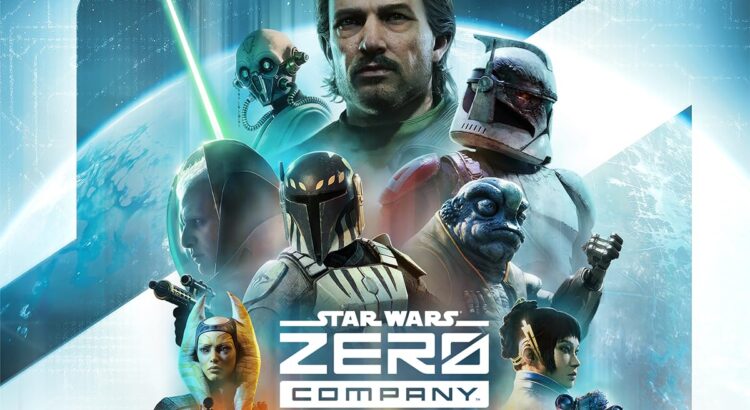
Star Wars Zero Company already has one of the cleaner pitches in the current Star Wars gaming lineup. Clone Wars tactics. Former XCOM talent. A squad of specialists. A focused single-player campaign. And, thankfully, a standard edition that isn’t trying to mug your wallet in a dark alley. Now that pre-orders are live, the next question is obvious: what do you actually get for buying early? The answer is pretty simple. You get cosmetic content. No bonus mission. No exclusive class. No “sorry, the best droid was locked behind a pre-order button” nonsense. That’s good. For a tactics game, harmless cosmetics are exactly where pre-order bonuses should live. What Do You Get for Pre-Ordering Star Wars Zero Company? Pre-ordering any edition of Star Wars Zero Company gets you the Crystalline Astromech Cosmetic Pack. According to EA, the pack includes the R3 droid, translucent “crystalline” astromech heads for the R4 and…
discussion
Star Wars: Zero Company Might Be the Clone Wars Game We Didn’t Know We Needed
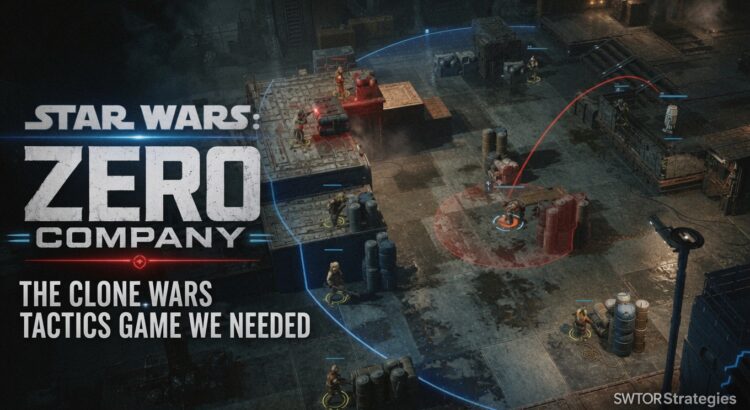
Star Wars: Zero Company suddenly looks like one of the most interesting Star Wars games on the 2026 calendar. The new gameplay trailer, revealed at Summer Game Fest, shows Bit Reactor’s upcoming single-player turn-based tactics game in action ahead of its August 27, 2026 release. It is coming to PC, PlayStation 5, and Xbox Series X|S, with Electronic Arts, Lucasfilm Games, and Bit Reactor finally giving players a clearer look at how this Clone Wars squad story actually plays. And honestly? This might be exactly the kind of Star Wars game the Clone Wars era needed. This Is Clone Wars, But Not the Usual Clone Wars Zero Company is set during the twilight of the Clone Wars, but it is not just another front-line battlefield story with Jedi generals, clone battalions, and heroic speeches over explosions. The official setup puts players in command of Hawks, a former Republic officer leading…
Star Wars: Galactic Racer’s Planet Hazards Sound Like Pure Racing Chaos
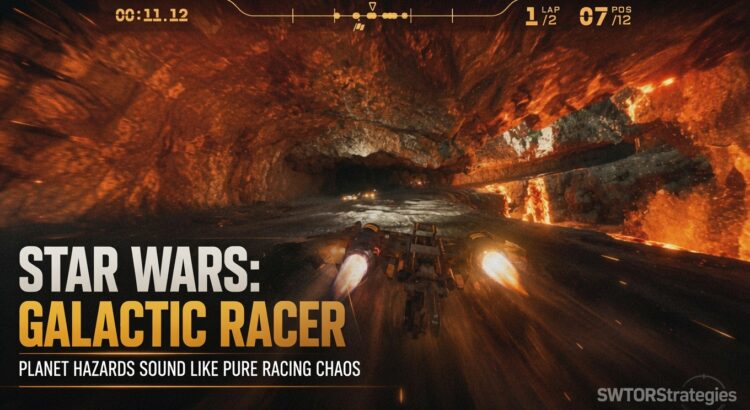
Star Wars: Galactic Racer keeps sounding less like “podracing, but new” and more like a racing game that actively wants you to suffer in interesting ways. In a new TechRadar interview from Summer Game Fest, Fuse Games creative director Kieran Crimmins explained that planets in Galactic Racer will have status effects that can directly impact your vehicle. That means Ando Prime can freeze you, Lantaana’s lava can overheat your racer, and water can help cool the vehicle back down. So yes. The track is now part of the enemy. Beautiful. Horrible. Very Star Wars. The Planets Are Not Just Pretty Backgrounds This is the kind of detail that could make Galactic Racer stand out. A lot of arcade racers treat environments as scenery. Sand track. Snow track. Lava track. Jungle track. Drive fast, don’t hit wall, pretend the crash was tactical. Galactic Racer seems to be going further. If each…
Galactic Racer’s Smartest Trick Is Making Crashing Matter
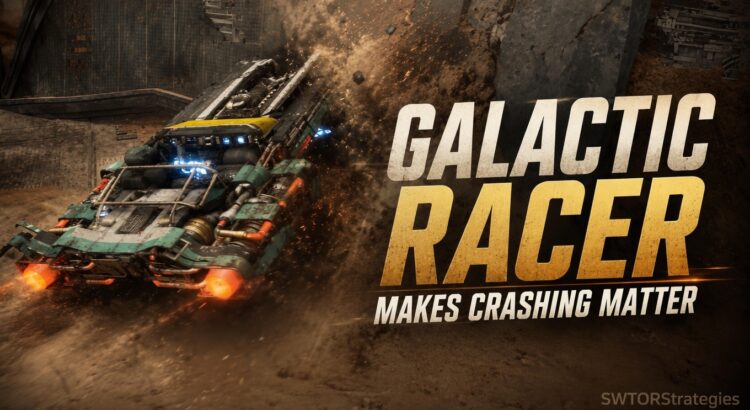
Most racing games treat crashing like a mild inconvenience. You hit a wall, swear at yourself, maybe blame the controller, and within three seconds you are back on the track pretending the whole thing was tactical. Very dignified. Very mature. Very “I meant to do that.” Star Wars: Galactic Racer seems to have a different idea. Based on the latest hands-on previews, Fuse Games is not just making a fast Star Wars racer with shiny vehicles and Outer Rim dust. It is building a racing game where bad choices can actually hurt. Not just “you lost a few seconds” hurt. More like “your whole run is now on fire and Hibi is probably judging you from the garage” hurt. That might be the smartest thing Galactic Racer has shown so far. Crashing Is Not Just Slapstick Here GamesRadar’s hands-on preview describes Galactic Racer as having a run-based campaign built around…
Fate of the Old Republic Proves the KOTOR Fantasy Still Has a Pulse
There are some Star Wars game titles that do not need much explanation. Say Knights of the Old Republic near a certain kind of player and you can almost hear the dialogue wheels opening in their soul. The moral choices. The companions. The ancient Sith drama. The feeling that Star Wars could be a proper RPG without needing to chase the movies every five minutes. That is why Star Wars: Fate of the Old Republic is immediately interesting. Not because we have seen gameplay. We have not. Not because it has a release date. It does not. But because Casey Hudson, game director of the original Knights of the Old Republic and the Mass Effect trilogy, is back working with Lucasfilm Games on a new single-player, narrative-driven Star Wars RPG through Arcanaut Studios. That alone is enough to make the old KOTOR part of the brain sit up like someone…
Star Wars Zero Company’s Most Interesting Detail Might Be Its Separatist Cult Villain
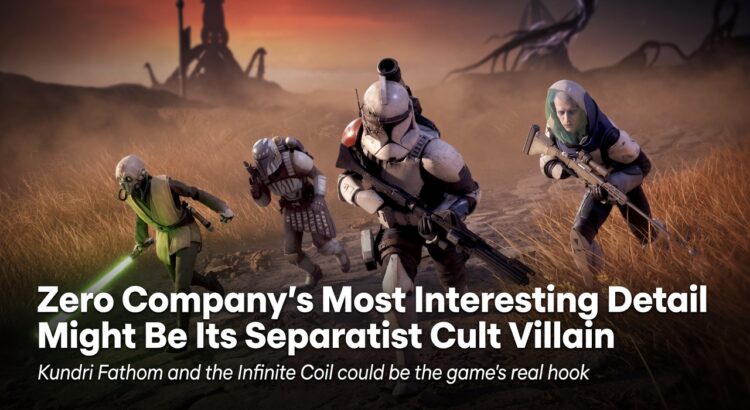
Star Wars Zero Company already has the easy pitch. Clone Wars. Turn-based tactics. A gritty squad of operatives. Cover, blasters, droids, Jedi, Mandalorians, permadeath, and enough tactical panic to make every bad decision feel personally expensive. But the most interesting detail might not be the squad. It might be the villain. EA describes the game’s central threat as Kundri Fathom, the enigmatic leader of a Separatist-aligned cult called the Infinite Coil. That single idea instantly makes Zero Company feel more interesting than “go fight battle droids again.” Because a Separatist cult? That is the good weird stuff. The Clone Wars Needs More Than Familiar Faces The Clone Wars era is packed with recognizable pieces. Clone troopers. Jedi generals. Battle droids. Separatist bases. Republic officers. Mandalorians. Dark schemes. Political collapse. Excellent helmets. That is all great, obviously. But a new Star Wars game cannot survive only by pointing at familiar toys…
Star Wars Galactic Racer Might Be Weirder Than Simple Podracing Nostalgia
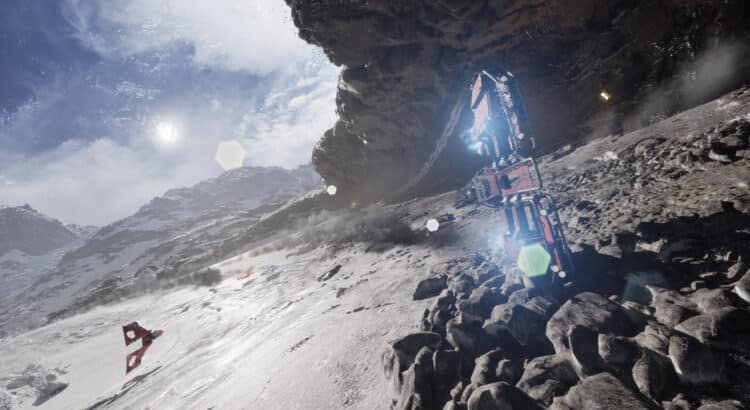
At first glance, Star Wars: Galactic Racer looks like the easiest nostalgia pitch in the galaxy. Fast ships. Dusty tracks. Dangerous turns. Sebulba lurking around like a small, angry insurance problem. But the latest story trailer suggests this is not just Episode I: Racer with modern lighting and a shinier menu. Galactic Racer may actually be doing something stranger: mixing Star Wars racing with a runs-based structure that sounds suspiciously close to roguelite design. And honestly? That might be the smartest thing about it. This Is Not Just “Go Fast, Win Race” The new Star Wars: Galactic Racer story trailer introduces Shade, an up-and-coming racer trying to take down corrupt Galactic League champion Kestar Bool. That is already a solid racing-game setup. New challenger. Big villain. Personal grudge. Dangerous circuits. A sponsor probably pretending this is all very safe. But the gameplay structure is where things get interesting. The game…
Star Wars Zero Company’s Best Idea Is Making Your Squad Actually Matter
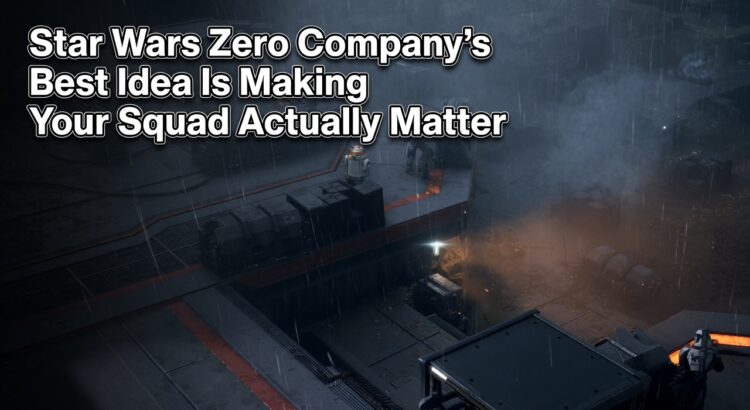
The easiest way to describe Star Wars Zero Company is still “a Star Wars tactics game.” That is also the least interesting way to talk about it. Yes, Bit Reactor’s upcoming turn-based tactics game has cover, classes, tactical decisions, squad builds, and all the lovely battlefield panic that comes with telling four people to survive a Clone Wars mission with a plan that sounded much better in your head. But a new Xbox Wire interview with Creative Director Greg Foertsch and Lead Designer James Brawley suggests the game’s most important idea may not be the tactics. It may be the relationships. Zero Company Is Leaning Into Found Family Foertsch says Star Wars is at its best when it is about relationships and found families, pointing to Star Wars Rebels as one example. That is not just a cute quote for the trailer crowd. It appears to be a real design…
Galaxy of Heroes Feels Strangely Quiet While EA Star Wars Gets Loud Again
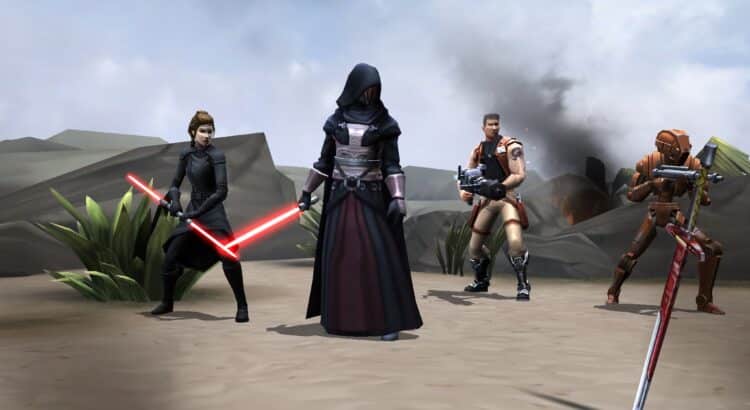
For years, Star Wars: Galaxy of Heroes has been the indestructible little holotable machine in the corner. New console games came and went. Star Wars movies disappeared from theaters. Disney+ shows rose, argued with the internet, and vanished into season-gap limbo. But Galaxy of Heroes kept doing what it does best: adding characters, feeding collectors, creating squad puzzles, and reminding everyone that mobile Star Wars is not a side note. So why does it feel strangely quiet right now? Not dead. Not abandoned. Not “somebody check the pulse” quiet. Just quieter than the rest of EA’s Star Wars galaxy. Galaxy of Heroes Is Still Active To be clear, Galaxy of Heroes is still moving. The official Galaxy of Heroes news page lists the Era of The New Republic Kit Reveal from May 8, 2026 as its latest major news item, following earlier 2026 updates like the Era of Andor Kit…
Is Star Wars Zero Company’s Deep-Cut Lore a Strength or a Risk?
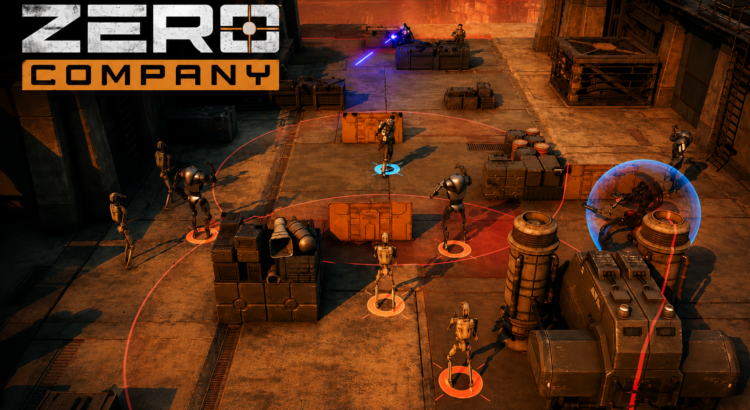
Star Wars fans love deep lore. Until they don’t. That is the tightrope Star Wars Zero Company now has to walk. The upcoming Clone Wars tactics game already has the big sellable hooks: turn-based squad combat, permadeath, RPG-style companions, an August release date, and enough tactical panic to make every mission feel like a bad idea with a briefing screen. But the most interesting thing might be the nerdiest thing. The developers clearly care about the deep cuts. According to GamesRadar’s look at Zero Company’s lore work, the team has spent serious time digging into Star Wars history, planets, factions, and character connections to make the game feel properly rooted in the Clone Wars era. That sounds great. But it also raises a real question: Can deep lore make Zero Company feel richer, or could it scare off players who just want a good tactics game? Lore Can Make the…
Is Galactic Racer Finally Giving Star Wars Racing Its Own Identity?
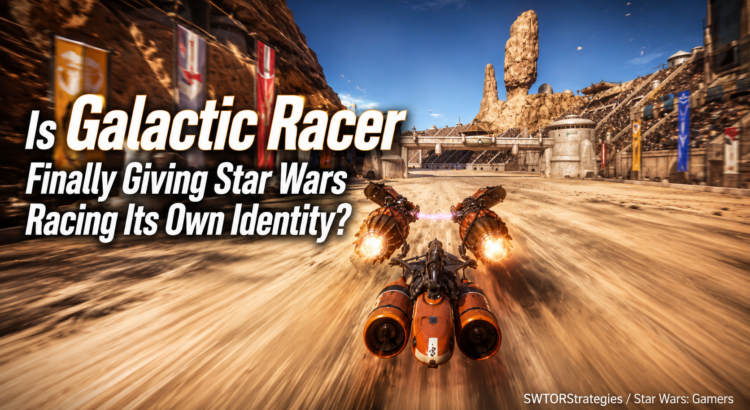
Star Wars racing has always had one problem. It already peaked in people’s memories. For a lot of players, the conversation begins and ends with Star Wars Episode I: Racer. Fast podracers, dangerous tracks, alien engines screaming, and Sebulba being the galaxy’s most punchable motorsport villain. It turned one sequence from The Phantom Menace into one of the most beloved Star Wars games of its era. So the big question for Star Wars: Galactic Racer is not just whether it can be fun. It is whether it can escape the ghost of podracing. Star Wars Racing Needs More Than Nostalgia The new Galactic Racer story trailer suggests the developers know the trap. Sebulba is back, and of course he is. You do not make a new Star Wars racing game and ignore the Dug-shaped menace sitting in the corner. He is the nostalgia hook. The instant recognition. The “oh, I…
Can Mando and Grogu Make Star Wars Feel Big Again?
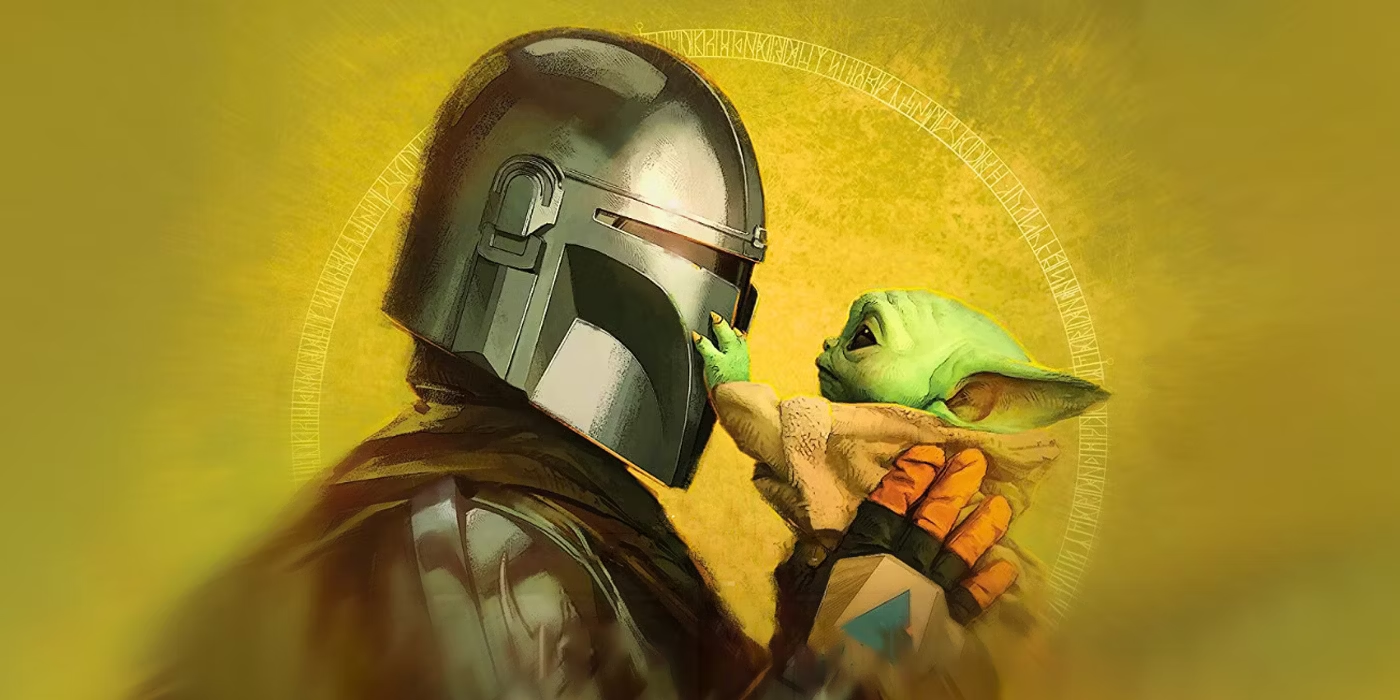
Star Wars is back in theaters, but the real question is slightly more uncomfortable: Does it still feel huge? The Mandalorian and Grogu has finally brought the galaxy far, far away back to cinemas after a long theatrical break. It is the first new Star Wars movie since The Rise of Skywalker in 2019, and Disney is clearly hoping Din Djarin and Grogu can do more than sell popcorn. They need to remind people that Star Wars still belongs on the biggest screen possible. That is a heavier job than it sounds. The Galaxy Returns With Smaller Expectations According to Reuters, The Mandalorian and Grogu has been projected to open somewhere between $75 million and $100 million in the U.S. and Canada. For almost any other franchise, that would be a strong launch. For Star Wars, it is more complicated. Disney-era Star Wars used to open like a cultural emergency….
Fortnite’s Star Wars Push Has a Battlefront Problem
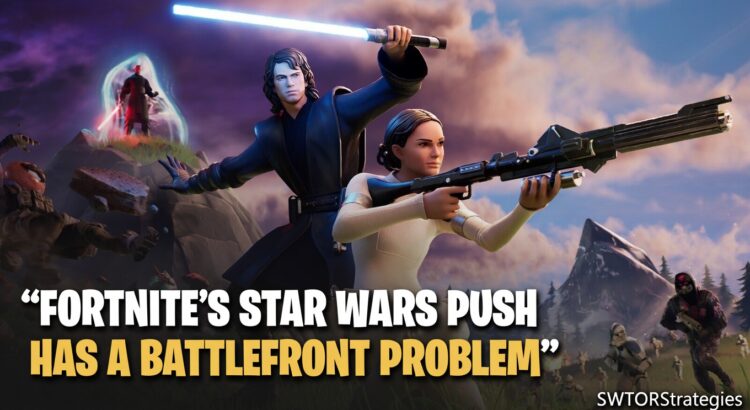
Fortnite has become one of the strangest places to experience Star Wars in 2026. You can fight in themed battles, escape Darth Vader, build droids, run through Star Wars islands, unlock new cosmetics, wait for The Mandalorian and Grogu footage, and now even mess around with Star Wars content inside LEGO Fortnite Odyssey. On paper, that sounds like a billion-credit win. But the actual conversation around Fortnite’s latest Star Wars push has been more complicated. The official StarWars.com Fortnite overview lays out just how big the campaign is, with Galactic Siege, Escape Vader, Droid Tycoon, LEGO Fortnite Odyssey content, weekly quests, and a Mandalorian and Grogu Watch Party Island all part of the rollout. That is a lot of Star Wars. The question is whether it is the kind of Star Wars gaming players actually want. Star Wars Content Is Not the Same as a Star Wars Game Fortnite is…
The Phantom Menace Hits Different Now

For years, The Phantom Menace was the Star Wars movie people mocked for opening with trade disputes, a blockade, and Senate paralysis instead of immediately throwing everyone into glorious space chaos. The phrase “taxation of trade routes” became shorthand for everything critics thought was too dry, too political, or too weirdly procedural about Episode I. But in 2026, with the Strait of Hormuz back in the headlines and global shipping suddenly looking fragile again, that setup feels a lot less silly than it used to. That does not mean George Lucas “predicted Iran” in some literal fortune-teller sense. It means he understood something a lot of people still underestimate: trade chokepoints are power. Blockades are power. Slow, compromised political institutions are power. And when those things collide, what sounds boring on paper can become the spark for a much bigger crisis. That is basically the entire engine of The Phantom…
Mara Jade Represents the Star Wars Future Fans Lost
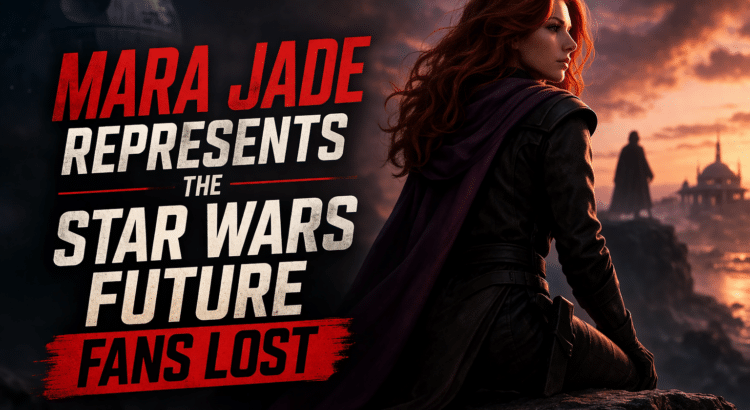
There is a reason the Mara Jade story blew up harder than a lot of bigger Star Wars headlines this week. On paper, it was simple: Claudia Gray said Lucasfilm had told her no when she asked about using Mara Jade in canon, and Timothy Zahn said he had asked too and gotten the same answer. That is not a trailer. It is not a casting leak. It is not even an official Lucasfilm statement. But the reaction online made one thing very clear: for a lot of fans, Mara Jade is no longer just a character they miss. She has become a symbol for the version of Star Wars they feel slipped away. That is why the Reddit discussion got interesting so fast. It did not stay focused on whether Mara Jade is “cool” or whether Lucasfilm should bring back more Legends characters. The argument turned almost immediately into…
Timothy Zahn Thinks Thrawn Would’ve Won Star Wars at Yavin in About 30 Seconds
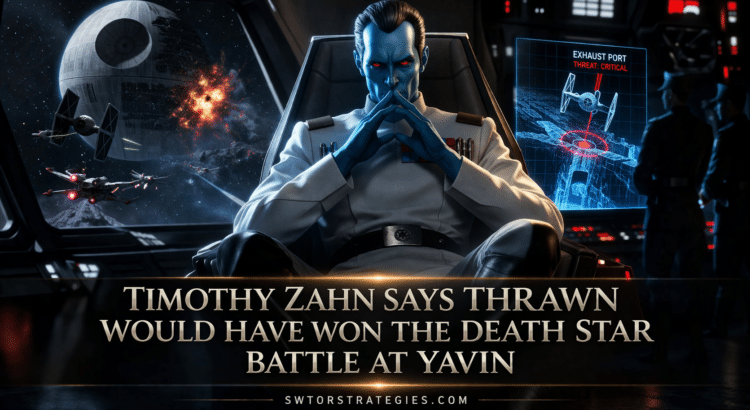
A single TIE fighter, one better question, and the Rebel victory might never have happened Timothy Zahn has a brutally simple answer to one of Star Wars’ oldest “what if” debates: if Grand Admiral Thrawn had been in charge of the Death Star at Yavin, the Empire probably would have won. Speaking during a MegaCon 2026 panel, Zahn said the key difference is not just that Thrawn is smart. It is that he listens. According to Zahn, where Tarkin dismissed the threat during the Rebel trench run, Thrawn would have asked for specifics — and then acted on them. His example was almost hilariously efficient: park a TIE fighter on the exhaust port, and that famous last-minute shot never happens. Why Zahn’s quote works so well What makes the quote land is how little it needs to rewrite. This is not one of those fan theories that requires ten alternate…
Star Wars Zero Company Is Starting to Sound Like a Jedi: Fallen Order Spinoff in the Best Possible Way
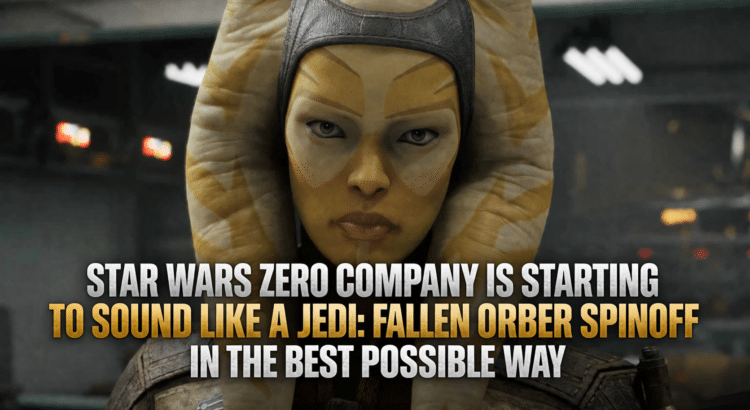
There was a very lazy way to talk about Star Wars Zero Company when it was first revealed: call it Star Wars XCOM, nod knowingly, move on with your day. That shorthand is already starting to feel too small. The more we hear about the game, the less it sounds like a neat little tactics side project and the more it sounds like Bit Reactor is trying to pull off something messier, weirder, and honestly more exciting: a Star Wars squad drama with turn-based tactics at the center, but with enough third-person storytelling and world interaction around the edges to make it feel like a real adventure instead of a spreadsheet with blasters. PC Gamer’s hands-on preview is a big reason that conversation is shifting. They came away from about four and a half hours with the game talking not just about combat, but about production values, third-person traversal, character…
Star Wars: Fate of the Old Republic’s “Modesto” Codename May Be a George Lucas Clue
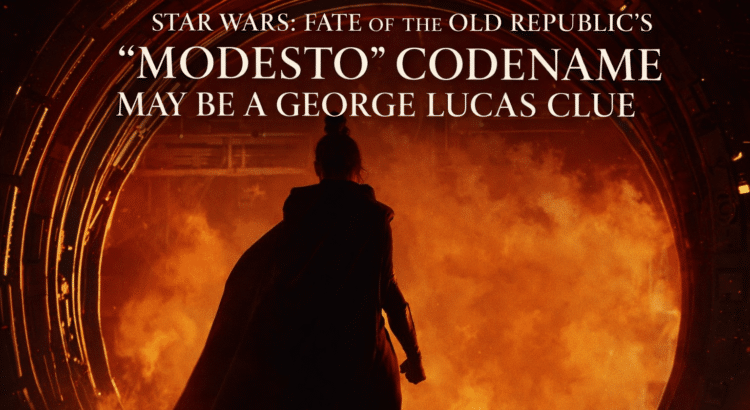
The latest Star Wars: Fate of the Old Republic speculation is not about a Sith Lord, a planet, or a returning character. It is about a possible internal codename: “Modesto.” The name surfaced through Star Wars community posts and leak chatter, but it has not been officially confirmed by Lucasfilm or Arcanaut Studios. That matters, because if the codename is real, it immediately points to something bigger than a random placeholder: Modesto is George Lucas’ hometown. Why “Modesto” Stands Out “Modesto” is not just any California reference. Lucasfilm has explicitly described Modesto as the place that shaped George Lucas’ adolescence and inspired American Graffiti, while StarWars.com recently called it the small California town where Lucas grew up before making Star Wars. That makes the alleged codename feel unusually specific. If true, it would be hard to read it as anything other than a deliberate nod to Lucas himself. Probably Not…
MAUL – SHADOW LORD Could Be Star Wars’ Answer to The Penguin
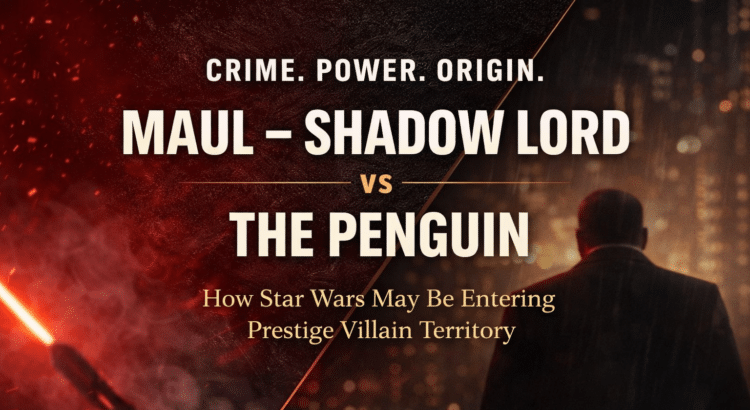
There’s a growing feeling that MAUL – SHADOW LORD isn’t just another animated Star Wars project — it might be Lucasfilm’s version of what The Penguin became for Batman. Not in tone copy-paste.Not in setting. But in structure, character focus, and the kind of story being told. And the parallels are kind of hard to ignore. A Villain From a Hit Film, Finally Center Stage Both shows take a character who debuted as a secondary villain in a major movie… and ask the question: What happens after the fall? Neither story is about a polished crime boss at the top.They’re about ambition in motion. These are ground-level crime empire origin stories — messy, violent, strategic, and personal. Maul isn’t ruling.He’s building. And that’s where the tension lives. A Key Female Character Inside the Empire Another major similarity is the introduction of a central female figure tied directly to the criminal…
Let’s Talk About Star Wars Jedi 3 Release Rumors — And Why It’s Too Early
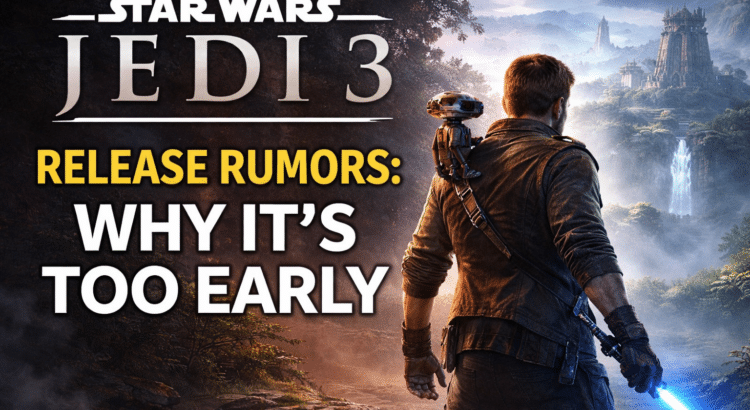
Lately, you may have seen headlines suggesting that the next Star Wars Jedi game could arrive in the first half of 2026. Let’s slow down for a moment. There has been no official release window announcement from EA, Respawn, or Lucasfilm Games. None. And in the current state of the industry, that detail matters more than ever. Where the 2026 talk is coming from The speculation seems to be built on production timelines and assumptions about how long AAA sequels usually take. On paper, that can make sense. Fallen Order launched in 2019. Survivor followed in 2023. A 2026 target doesn’t sound impossible. But “possible” is not the same thing as confirmed. Right now, EA’s marketing focus has shifted away from Jedi: Survivor and toward Star Wars: Zero Company — a title that is officially slated for 2026 and still doesn’t have a specific release date. If a game already…
Star Wars: Propaganda and Truth — What the Video Breaks Down
A new cinematic video titled “Star Wars: Propaganda and Truth” examines how the Star Wars saga portrays the forces of persuasion, power, and information — and how those in charge shape reality to control the galaxy. The video isn’t a plot recap — it’s more of a montage and thematic exploration, pulling together scenes from across Star Wars to show how messages are shaped, narratives are controlled, and truth becomes a weapon in its own right. “Propaganda” as a Storytelling Device in Star Wars At its core, Star Wars is as much a story about information and influence as it is about lightsabers and space battles. Whether it’s the messaging used by the Galactic Republic, the Republic’s enemies, the Empire, or the Rebel Alliance, the way the saga frames truth and persuasion is a recurring theme that the video highlights: In Star Wars, such narrative battles complement physical ones: winning…
Hollywood Reporter Says a “Sequel-Sequel Trilogy” Feels Inevitable — and Honestly, They Might Be Right
For years, Lucasfilm has treated the post-Rise of Skywalker future like an awkward family dinner conversation. Everyone knows it’s going to come up. Nobody wants to be the first to bring it up. But now The Hollywood Reporter is doing something the Star Wars industry press rarely does: saying the quiet part out loud. A “sequel-sequel trilogy” — basically Episodes X, XI and XII — doesn’t just feel possible. It feels inevitable. And while that idea isn’t confirmed by Lucasfilm, it’s suddenly the kind of “obvious next step” that’s getting harder to ignore. Why this matters now Star Wars is entering a strange new phase. Not because there’s a shortage of projects — but because there’s a shortage of certainty. Some movies are reportedly on hold. Some are being reworked. The Disney+ side continues to expand, but theatrical Star Wars still lacks what Marvel has always had: A clear flagship…
Why Star Wars Fans Argue About Canon More Than Any Other Fandom
There are plenty of passionate fandoms. Marvel fans debate power levels.DC fans argue about the “best Batman.”Harry Potter fans fight about the author and the legacy. But Star Wars fans? Star Wars fans argue about something else entirely: Canon. Not just what’s good. Not just what’s authentic. But what counts. What’s “real.” What officially happened—and what should be ignored, overwritten, or erased. And somehow, the arguments never end. The interesting part is this: it’s not because Star Wars fans are uniquely angry. It’s because Star Wars is uniquely built for canon conflict. Star Wars Isn’t Just a Story — It’s a Timeline People Live Inside Most franchises are a collection of stories. Star Wars is a timeline. It has eras, centuries, wars, governments, religious philosophies, family dynasties, and a sense of historical weight that feels almost… academic. Like you’re not just watching fiction—you’re watching a civilization evolve. That changes the…
Was the Battle of Naboo Actually a Defeat for Palpatine?
At first glance, the Battle of Naboo looks like a clean Sith loss. The Trade Federation is humiliated.The Gungans and the Naboo unite.The Jedi Order get a very public win.And Darth Maul, the Sith’s attack dog, is cut down in front of witnesses. If you stop there, it’s tempting to argue that Palpatine—still playing the role of Senator from Naboo—lost control of events at the climax of The Phantom Menace. Especially if you’ve read Star Wars: Darth Plagueis and view Naboo as the long-term laboratory of Sith manipulation rather than a disposable pawn. But the deeper you dig, the more uncomfortable the question becomes: Did Palpatine actually lose… or did he simply win differently than planned? The Darth Plagueis Problem: Canon vs. Intent Before going further, it’s worth acknowledging the elephant in the room. Darth Plagueis is officially Legends, not canon. That matters—but only to a point. Many of its…