
There are plenty of passionate fandoms.
Marvel fans debate power levels.
DC fans argue about the “best Batman.”
Harry Potter fans fight about the author and the legacy.
But Star Wars fans? Star Wars fans argue about something else entirely:
Canon.
Not just what’s good. Not just what’s authentic. But what counts. What’s “real.” What officially happened—and what should be ignored, overwritten, or erased.
And somehow, the arguments never end.
The interesting part is this: it’s not because Star Wars fans are uniquely angry. It’s because Star Wars is uniquely built for canon conflict.
Star Wars Isn’t Just a Story — It’s a Timeline People Live Inside
Most franchises are a collection of stories.
Star Wars is a timeline.
It has eras, centuries, wars, governments, religious philosophies, family dynasties, and a sense of historical weight that feels almost… academic. Like you’re not just watching fiction—you’re watching a civilization evolve.
That changes the mindset of the audience.
When people engage with Star Wars, they don’t just consume a plot. They build internal maps:
- “This happened before that.”
- “This character can’t be there yet.”
- “That planet shouldn’t exist in this era.”
- “That technology looks too modern.”
It becomes structural.
And when a fandom becomes structural, canon stops being trivia. Canon becomes the rules of the universe.
That’s when arguments turn personal.
Star Wars Trained Fans to Care About Consistency
A lot of fandoms have lore.
Star Wars has a culture of lore.
For years, the franchise actively encouraged fans to read deeper, learn more, connect dots. If you wanted the “full story,” you didn’t just watch the films—you read novels, played games, collected reference books, memorized timelines.
And this matters because games played a huge role in building that mindset.
Some of the most influential Star Wars storytelling didn’t come from movies at all. It came quietly through interactive storytelling—choices, consequences, hidden lore, and entire eras that lived outside cinema.
If you want the clearest example of this, look at The Star Wars Games That Quietly Shaped Canon
That kind of cross-media foundation is a big reason canon arguments in Star Wars feel “bigger” than in other fandoms. There’s simply more to defend.
Unlike Other Franchises, Star Wars “Canon” Has Been Officially Reset
A lot of fandoms retcon details.
Star Wars detonated an entire universe.
When the canon reset happened (Legends vs. Canon), it wasn’t a normal “soft reboot.” It was a line in the sand that told millions of fans:
“The stories you loved still exist… but they don’t count anymore.”
That is emotionally explosive.
Because for many longtime fans, those Legends stories weren’t optional extras—they were the Star Wars they grew up with.
So the canon debate isn’t just about “continuity.” It’s about validation:
- Was I wrong to invest in those stories?
- Did this history matter?
- Are my memories now “non-canon”?
That is a completely different emotional charge than a normal retcon.
Star Wars Has More Authors Than Almost Any Fandom
Canon arguments explode when authorship becomes fragmented.
Star Wars has been written by:
- multiple film directors
- multiple showrunners
- dozens (honestly, hundreds) of novel and comic writers
- multiple game studios
- multiple corporate eras
Even if everyone is doing their best, a galaxy this big will never stay perfectly aligned. Contradictions are unavoidable.
Marvel has a similar multi-author problem—but Marvel’s multiverse makes contradictions easier to forgive.
Star Wars doesn’t have that escape hatch.
If two Star Wars stories disagree, the fandom doesn’t say:
“Different universe.”
They say:
“Okay—so which one is true?”
And then the war begins.
The Force Functions Like Religion (And Fans Treat It That Way)
This is one of the reasons Star Wars canon debates feel unusually intense.
The Force isn’t just magic. It’s worldview.
It comes with doctrine, prophecy, heresy, competing interpretations. Jedi and Sith aren’t just factions—they’re belief systems. So when a story changes what the Force means, fans don’t experience it as a minor lore update.
They experience it like a theological rewrite.
That’s also why fans constantly re-argue turning points like Order 66 and the Jedi’s collapse—not just as story beats, but as moral history.
If you want the deeper, structural breakdown of that collapse (and why it was already happening before the clones turned), this companion piece fits perfectly
Star Wars Has a Strong “It Happened Long Ago” Illusion
Most franchises feel modern.
Star Wars has this built-in historical vibe:
“A long time ago in a galaxy far, far away…”
That framing makes the world feel like it already has a past—like it’s telling you about events that already happened, rather than stories that are being invented in real-time.
So when canon changes, it feels wrong in a very specific way:
Not like fiction being edited…
but like history being rewritten.
And people hate seeing history rewritten.
The Fandom Is Massive — And It Contains Multiple Star Wars
Another overlooked truth:
There isn’t one Star Wars fandom.
There are many. And they often don’t even like the same thing.
Some fans are:
- Original Trilogy loyalists
- Prequel kids
- Clone Wars devotees
- Rebels-era fans
- Sequel Trilogy defenders/critics
- Game-first fans (KOTOR, Battlefront, Jedi series)
- EU/Legends readers
Each group has a different idea of what Star Wars is.
So when canon debates happen, it’s not just:
“What happened?”
It’s:
“Which Star Wars are we protecting?”
Marvel debates are usually about characters.
Star Wars debates are about identity.
Canon Arguments Are Really About Trust
Under the surface, canon arguments are often a proxy war for something deeper:
Do we trust the people telling the story?
That’s why some retcons are forgiven instantly… while others turn into long-term fandom trauma.
If fans trust the storytellers, canon shifts feel like evolution.
If they don’t, canon shifts feel like:
- ignorance
- disrespect
- profit-first storytelling
- rewriting history
And no fandom takes “rewriting history” lightly—especially not Star Wars.
This is also why the Sith are such a constant argument magnet: not because people don’t understand them, but because “Sith victory” touches everything—timeline, meaning, moral stakes, even the philosophy of the Force.
And if you want the most useful companion analysis for that topic, it’s this piece.
Why This Will Never Fully Go Away
Canon debates in Star Wars don’t happen because fans are toxic.
They happen because the franchise is built like a myth, managed like a brand, and remembered like history.
That combination guarantees conflict.
Star Wars is too old, too vast, and too emotionally inherited to ever have a single agreed-upon “truth.” It will always contain contradictions.
And the bigger the galaxy gets, the more contradictions it will create.
So the arguments won’t end.
But maybe the point isn’t to end them.
Maybe the point is that Star Wars is one of the only franchises big enough to make people argue about fictional history as if it were real.
That level of investment can be exhausting.
But it’s also… kind of incredible.
Canon debates won’t end — because Star Wars was built to feel like history.
FAQ
What does “canon” mean in Star Wars?
Canon refers to the officially recognized Star Wars story continuity—what Lucasfilm considers “true” within the main timeline.
Why did Star Wars reset canon?
The reset allowed new films and shows to move forward without being constrained by decades of Expanded Universe stories.
Is Legends still worth reading?
Absolutely. Legends isn’t “fake”—it’s simply outside the current official continuity, and many stories remain some of the best Star Wars ever written.
Will Star Wars canon keep changing?
Yes. As more shows, movies, and games release, new stories will occasionally reshape how earlier events are understood.
Stay connected with the galaxy’s latest updates!
Follow us on X, Facebook, Instagram, or Pinterest for exclusive content, mod guides, Star Wars gaming news, and more. Your support helps keep the Holonet alive—one click at a time.
Author

Related Posts

Star Wars: Galaxy of Heroes Adjusts Datacron Release Schedule — Monthly Sets, 3-Month Lifespan, Lower Complexity
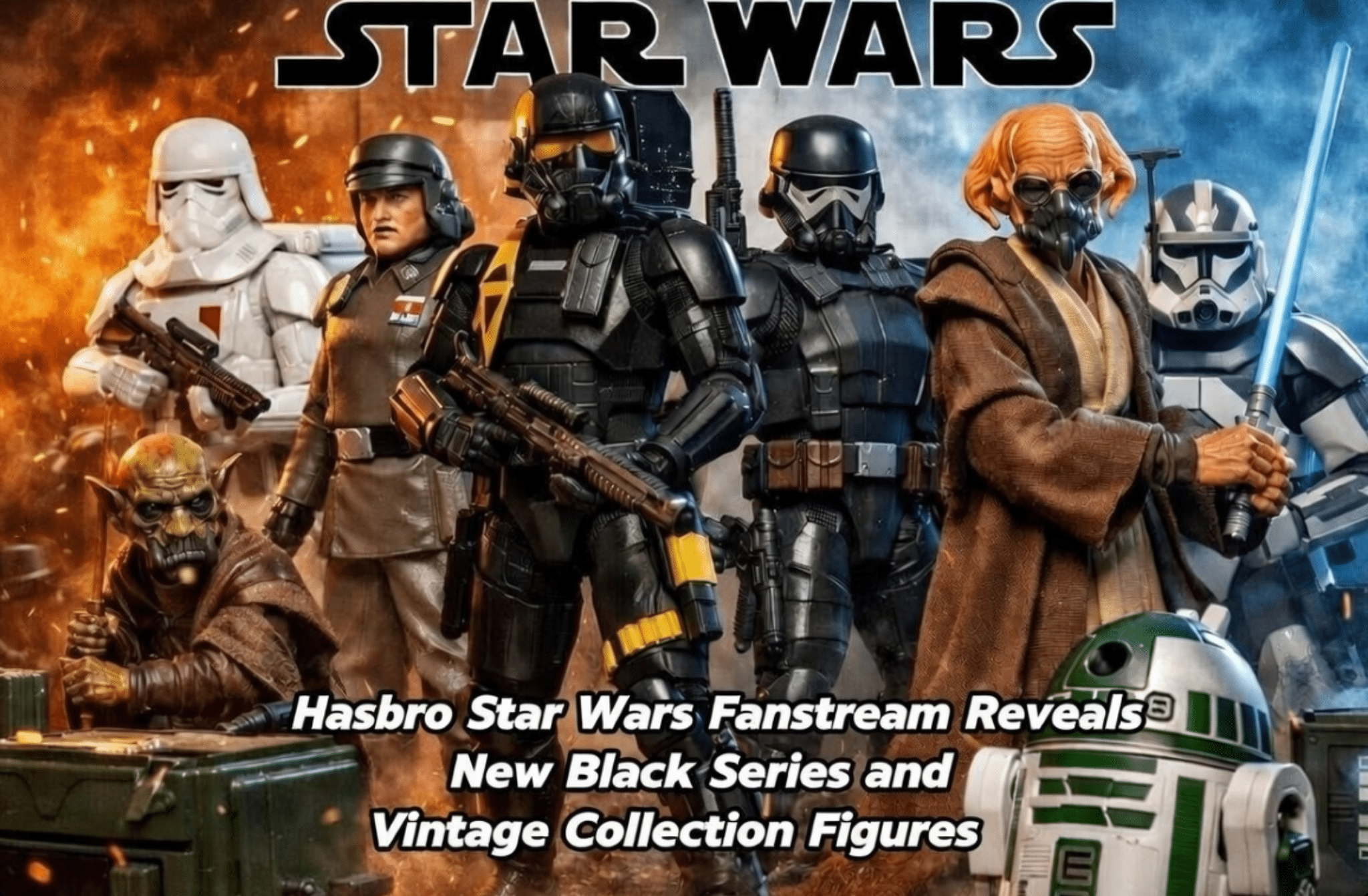
Hasbro Star Wars Fanstream Reveals New Black Series and Vintage Collection Figures (Scar Squadron Returns)-
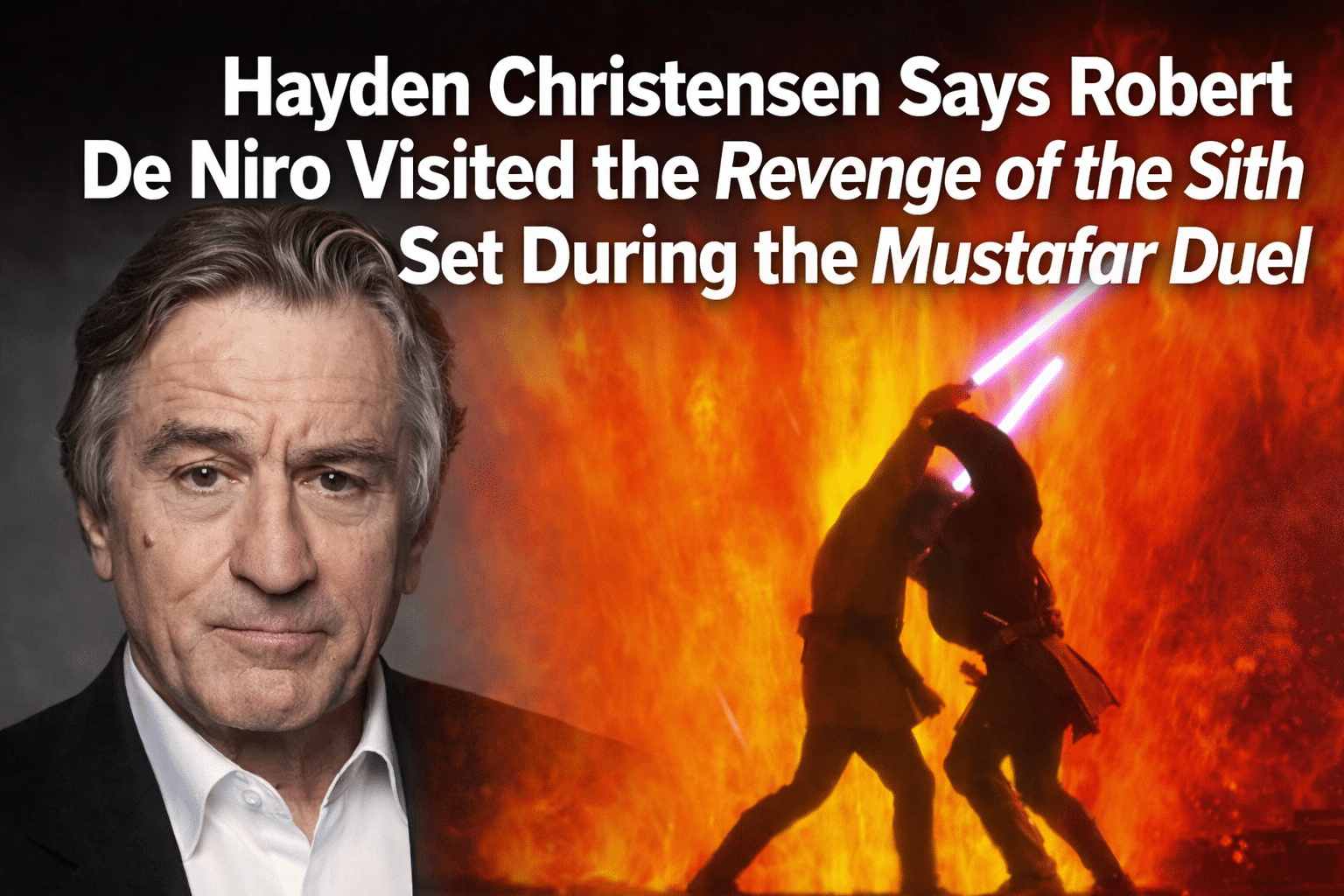
Hayden Christensen Says Robert De Niro Visited the Revenge of the Sith Set During the Mustafar Duel -
SWTOR Galactic Seasons Objectives (Jan 13 – Feb 16, 2026)

-
Fast Audio Transcription: How to Turn Speech into Text Instantly with AI -
Disney’s Millennium Falcon Ride Was Supposed to Have Five Different Missions — But Guests Only Got One 
Star Wars Outlaws “Killable Wildlife” Mod – Full Combat Freedom (and Droid Resistance Tweaks)
Hot MILF Kreia Mod for KOTOR II (TSL) – Reskin, Install Guide, and Compatibility