Star Wars is back in theaters, but the real question is slightly more uncomfortable:
Does it still feel huge?
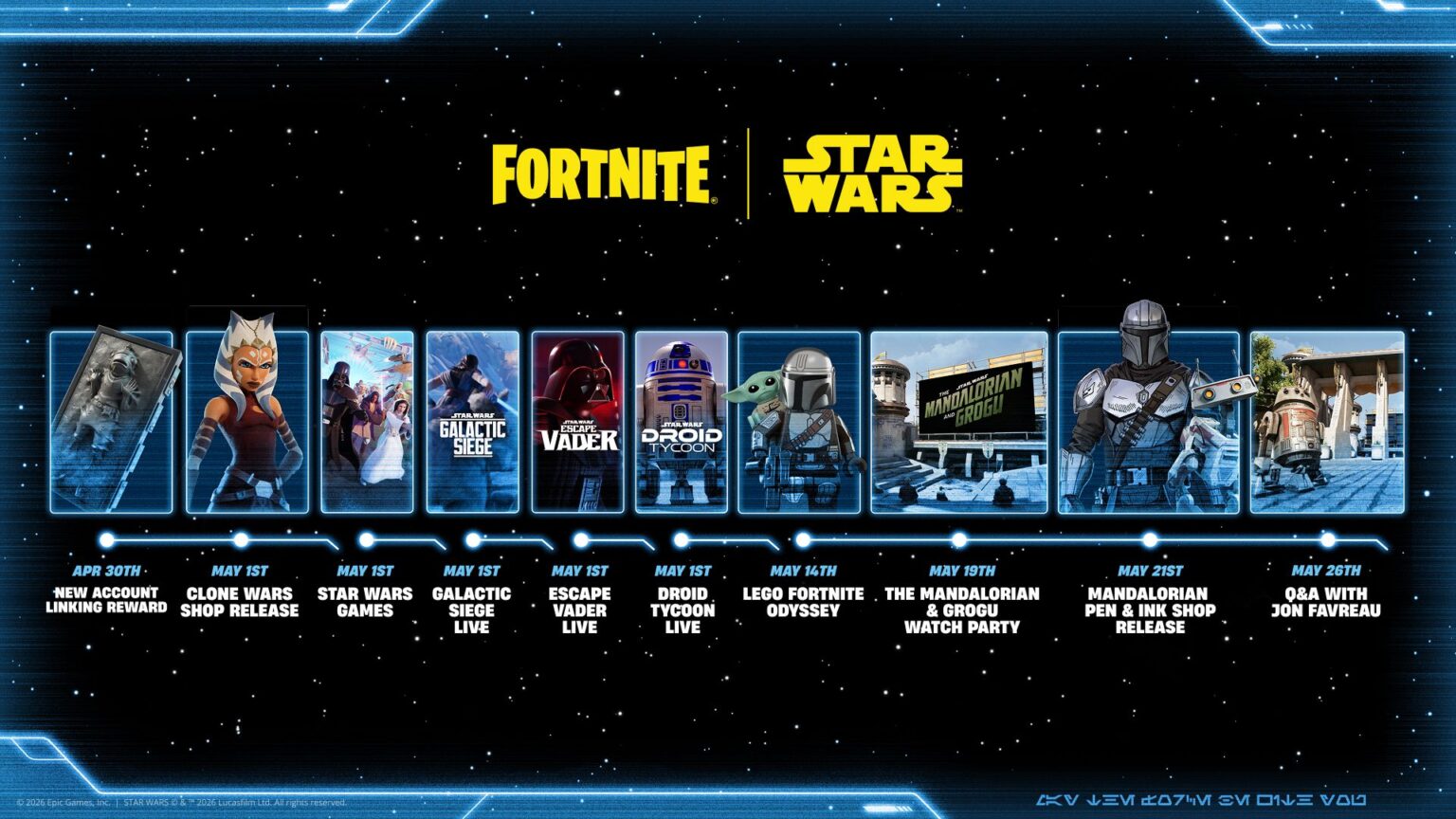
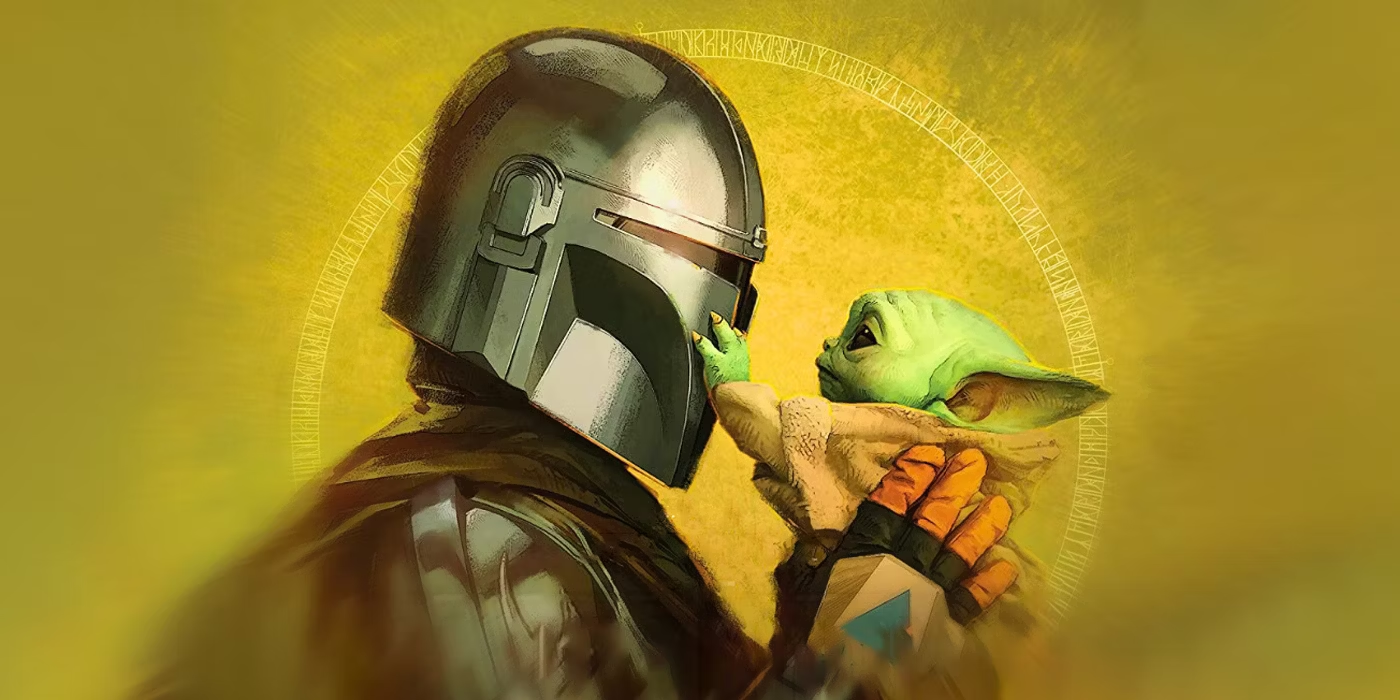
The Mandalorian and Grogu has finally brought the galaxy far, far away back to cinemas after a long theatrical break. It is the first new Star Wars movie since The Rise of Skywalker in 2019, and Disney is clearly hoping Din Djarin and Grogu can do more than sell popcorn. They need to remind people that Star Wars still belongs on the biggest screen possible.
That is a heavier job than it sounds.
The Galaxy Returns With Smaller Expectations
According to Reuters, The Mandalorian and Grogu has been projected to open somewhere between $75 million and $100 million in the U.S. and Canada. For almost any other franchise, that would be a strong launch.
For Star Wars, it is more complicated.
Disney-era Star Wars used to open like a cultural emergency. The Force Awakens was not just a movie release, it was an event people scheduled their lives around. Even the more divisive films arrived with a sense that the entire internet had been handed a lightsaber and told to behave responsibly, which of course it did not.
Mando and Grogu arrives differently. Less thunder. More testing ground.
A Washington Post piece frames the film as a return that may not automatically force Star Wars out of its current slump. That sounds harsh, but it points to the obvious tension: Star Wars is still famous, still merchandisable, still capable of starting arguments before breakfast, but the theatrical aura has changed.
Streaming Changed the Shape of Star Wars
Part of the challenge is that The Mandalorian made Star Wars feel at home on television.
That was a win for Disney+. It gave the franchise a new rhythm, a new breakout duo, and one tiny green merchandising machine with suspiciously powerful ears. But it also trained audiences to think of Mando and Grogu as weekly comfort viewing rather than must-see cinema.
That does not mean they cannot work on the big screen. Our coverage of Mando and Grogu’s 88% audience score shows that viewers are responding much more warmly than critics so far.
But warmth is not the same as awe.
Star Wars used to feel like the thing everything else orbited around. Now it has to fight for oxygen in a galaxy crowded with superhero fatigue, streaming habits, legacy sequels, premium TV, and audiences who no longer treat every franchise return like a state holiday.
A Smaller Win May Still Be a Win
The smart way to look at The Mandalorian and Grogu may not be as a return to peak Star Wars mania.
It may be a bridge.
If it opens solidly, plays well with families, keeps audience scores healthy, and proves that Disney+ characters can carry a theatrical release, that matters. It gives Lucasfilm something usable before Star Wars: Starfighter tries to push the brand into its next cinematic phase.
And honestly, Mando and Grogu were probably always the safer test.
They are familiar, portable, and emotionally simple in a way modern Star Wars often struggles to be. One armored bounty hunter. One small chaos gremlin. One mission. One big screen.
That may not make Star Wars feel like 2015 again.
But if it makes the galaxy feel alive in theaters again, even for one weekend, that is a start.