On June 18, 2010, Star Wars: The Old Republic was still more than a year away from launch.
Players had not yet rolled their first Sith Inquisitor. Nobody had rage-quit a flashpoint over loot. Nobody had spent too long choosing between two nearly identical robes because one had slightly better villain energy.
But SWTOR was already building its world.
That day marked the release of Blood of the Empire Act 2: The Broken World, the second chapter of the pre-launch webcomic that helped define what BioWare’s Old Republic era was going to feel like: political, brutal, ancient, and very comfortable with Sith making everyone’s day worse.
This Was SWTOR Before SWTOR
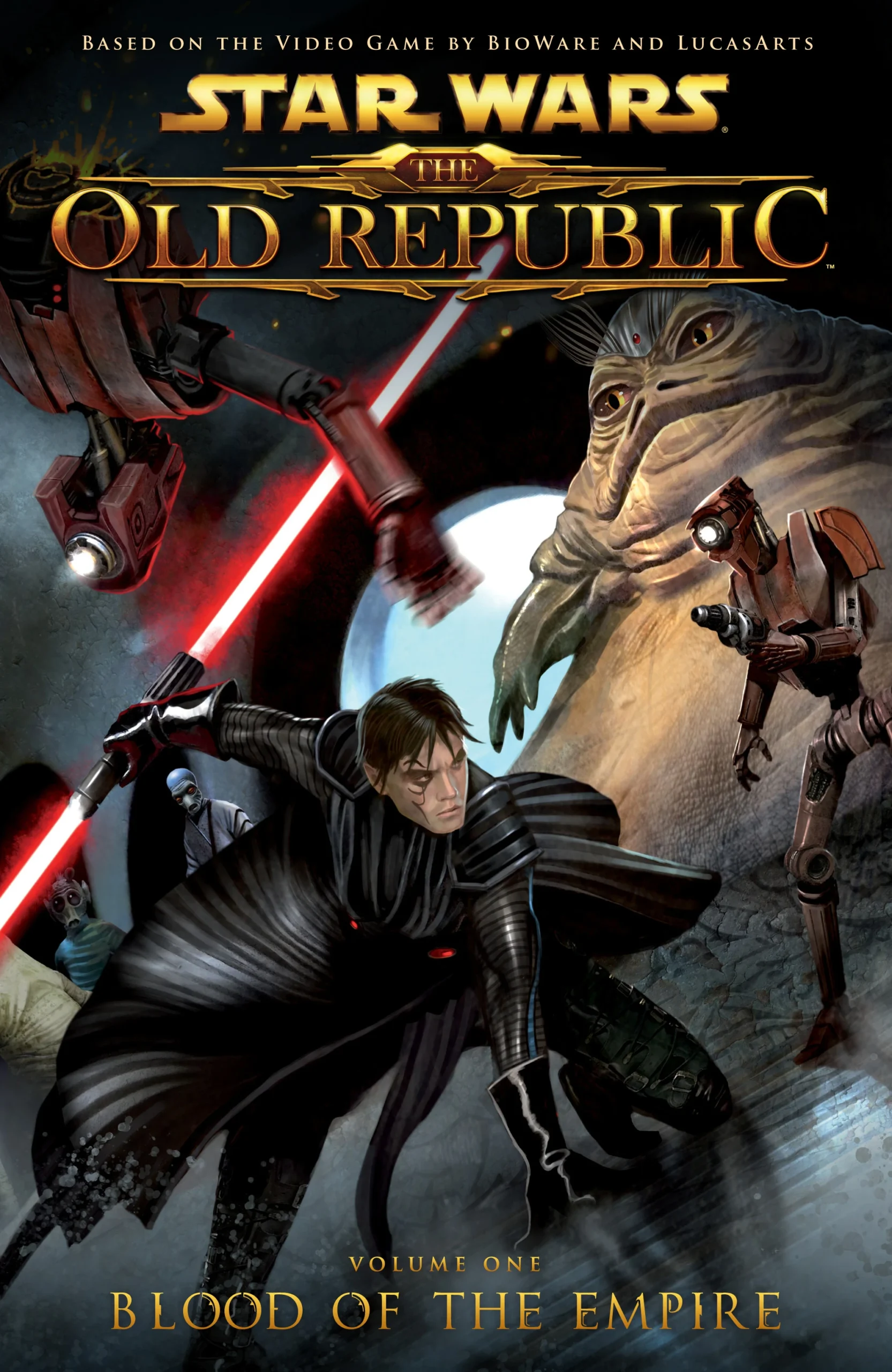
Before the MMO arrived, Blood of the Empire gave fans a taste of the Sith Empire from the inside.
Not as a vague evil faction. Not as a faceless army of red lightsabers and dramatic robes. But as a paranoid, ambitious, dangerous machine where loyalty was temporary and survival was mostly a matter of being useful to someone worse than you.
The story follows Teneb Kel, a young Sith apprentice sent after Exal Kressh, the Emperor’s rogue apprentice. That setup already feels wonderfully Old Republic. A Sith is ordered to hunt another Sith because the Emperor has secrets even the Dark Council does not fully understand.
Normal workplace culture, then.
Teneb Kel Made the Sith Feel Human and Terrible
The strength of Blood of the Empire is that Teneb Kel is not written as a cartoon villain.
He is ambitious, clever, wounded, expendable, and painfully aware that the Sith Empire does not reward weakness. He is not some unstoppable dark-side god. He is a young Sith thrown into a mission far bigger than he understands.
That is what made the comic work.
SWTOR’s Sith stories have always been strongest when they show the Empire as more than “evil people in black.” The real horror is institutional. The Sith do not just corrupt individuals. They build systems where cruelty becomes career development.
Teneb Kel fits perfectly into that world.
Exal Kressh Was a Warning Sign
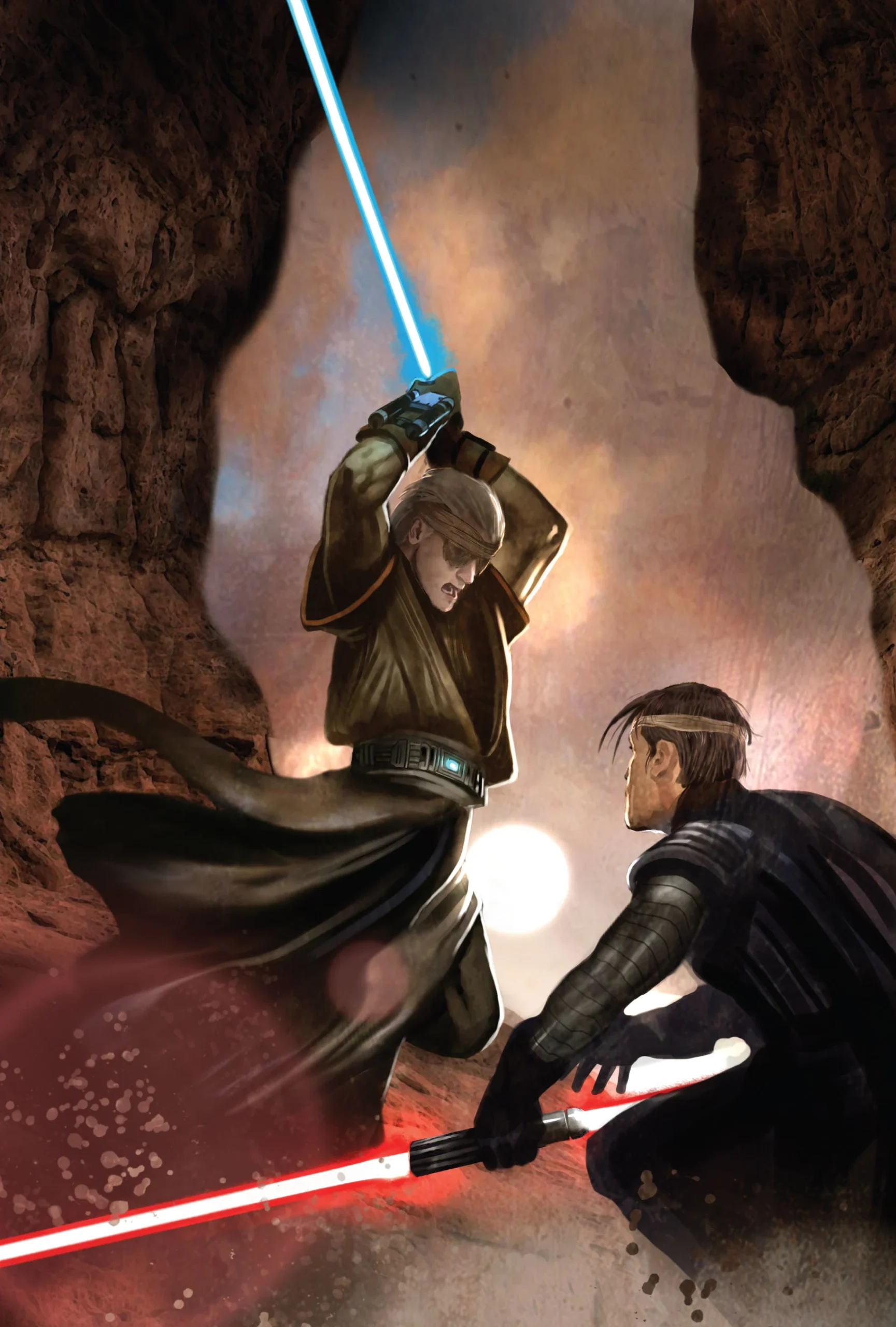
Exal Kressh is just as important.
As the Emperor’s apprentice, her betrayal raises the question that defines so much of SWTOR’s deeper lore: what is the Emperor really planning?
The answer eventually points toward the Children of the Emperor, hidden agents bent to his will, and the kind of body-horror political nightmare that makes the Old Republic era feel so much darker than standard Jedi-versus-Sith material.
This is not just Sith drama.
It is SWTOR laying pipe for major class-story ideas before players ever logged in.
That is why Blood of the Empire still matters. It was not disposable pre-release marketing. It was world-building with teeth.
The Old Republic Was Already Bigger Than the Game
Looking back, the comic feels like a reminder that SWTOR was never just one MMO client.
It was trailers, comics, novels, codex entries, class stories, companion arcs, flashpoints, operations, and years of lore piled into one enormous corner of Star Wars history.
That is also why SWTOR remains such an important part of the wider playable galaxy, which we keep tracking in our Complete List of All Star Wars Games Ever Made.
Blood of the Empire helped show what kind of Star Wars SWTOR wanted to be before players ever reached Korriban.
Messy.
Political.
Dangerous.
A little melodramatic in exactly the right way.
The Empire Had Blood Before Launch
Fourteen years later, Blood of the Empire still feels like a strong piece of SWTOR history.
It gave us Teneb Kel before Darth Thanaton became part of the Sith Inquisitor story. It teased the Emperor’s hidden machinery before players fully understood how deep that nightmare went. It made the Sith Empire feel alive before the servers opened.
And most importantly, it understood something SWTOR would keep proving for years:
The Old Republic is at its best when the Sith are not just evil.
They are interesting, ambitious, doomed, and absolutely exhausting to work with.
Author

Related Posts

SWTOR’s Legacy Reborn Trailer Is Late, But It Still Makes the Sith Finale Look Dangerous
20 Years Ago, George Lucas Officially Became Science Fiction History
Shadows of the Empire Got a Sequel Before Star Wars Multimedia Was Normal
Captain Carson Teva Has Joined Galaxy of Heroes, and the New Republic Finally Has Its Space Cop