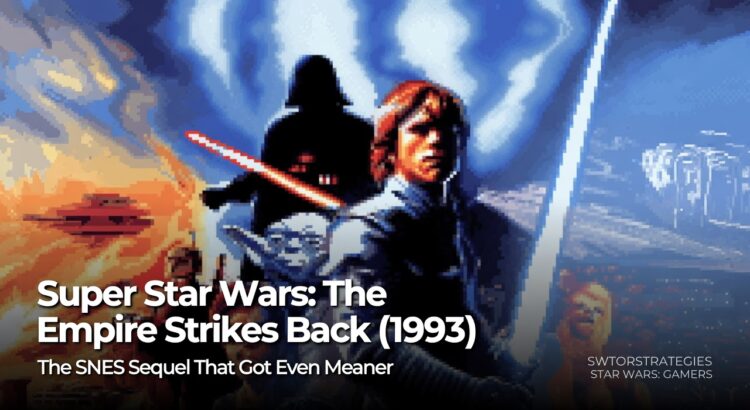
If Super Star Wars (1992) was the moment Star Wars finally found the right kind of 16-bit violence, then Super Star Wars: The Empire Strikes Back was the sequel that looked at that formula and said, “Good. Now make it colder, harder, and just a little bit crueler.”
That was a solid creative choice.
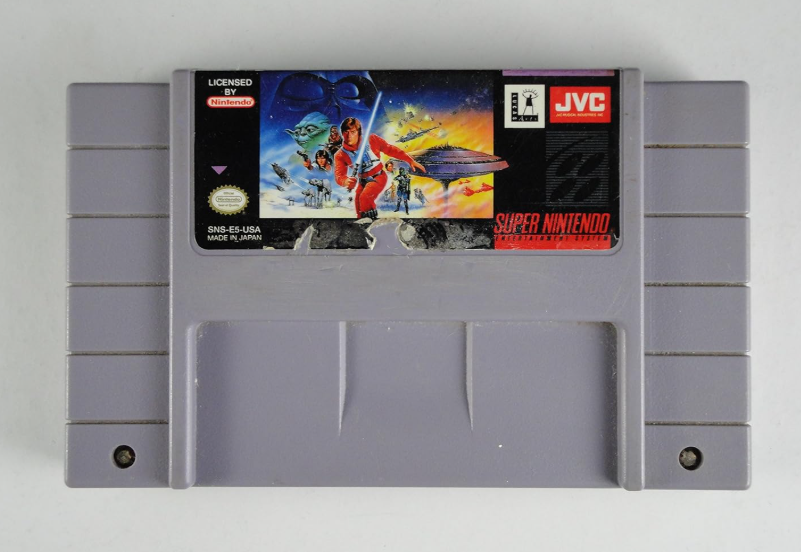
Released for the Super Nintendo in 1993, the game was developed by Sculptured Software and LucasArts and published by JVC Musical Industries. It was the second entry in the Super Star Wars trilogy, based on The Empire Strikes Back, and it would later be followed by Super Star Wars: Return of the Jedi in 1994.
As part of our Complete List of All Star Wars Games Ever Made (1979–Present), this is one of those games that really earns its spot. It also sits naturally in the Star Wars Games (1990–1999) hub, right next to the games that helped define what 1990s Star Wars could feel like on home hardware. And if Super Star Wars (1992) showed the original film becoming a loud, flashy SNES action game, this sequel proved that Empire was an even better fit for the formula.
Same 16-bit DNA, much nastier mood
The basic setup will already be familiar if you played the first game in the trilogy.
This is still a side-scrolling action-platformer. It still takes a beloved movie and aggressively translates it into “video game logic.” It still adds extra enemies, expanded locations, boss fights, and enough hazards to make you wonder whether the development team had some unresolved feelings about jump arcs. But now the source material is The Empire Strikes Back, which means the whole thing benefits immediately from stronger locations, a darker tone, and a much more naturally dramatic story structure.
That matters a lot. A New Hope could survive being turned into an action-platformer, but Empire almost feels built for it. You get Hoth, Echo Base, Dagobah, Bespin, Cloud City, Boba Fett, and Darth Vader. Even before the game starts inventing extra trouble for the player, the film itself already offers a better sequence of places and moods to build levels around.
So yes, the game is still rude. It is just rude with better scenery.
Hoth was always going to make this look good
Let us be honest, Hoth does a lot of heavy lifting here.
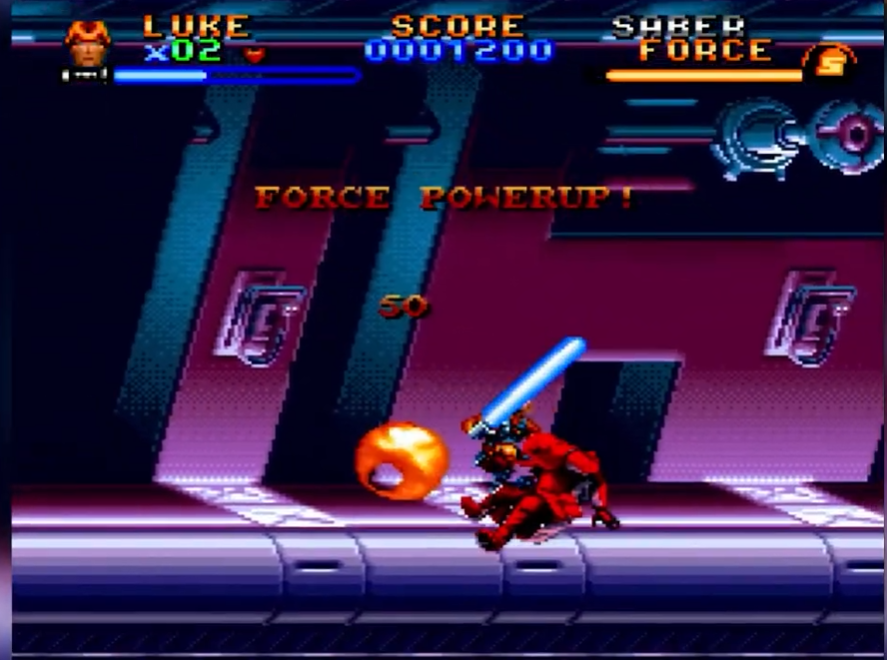
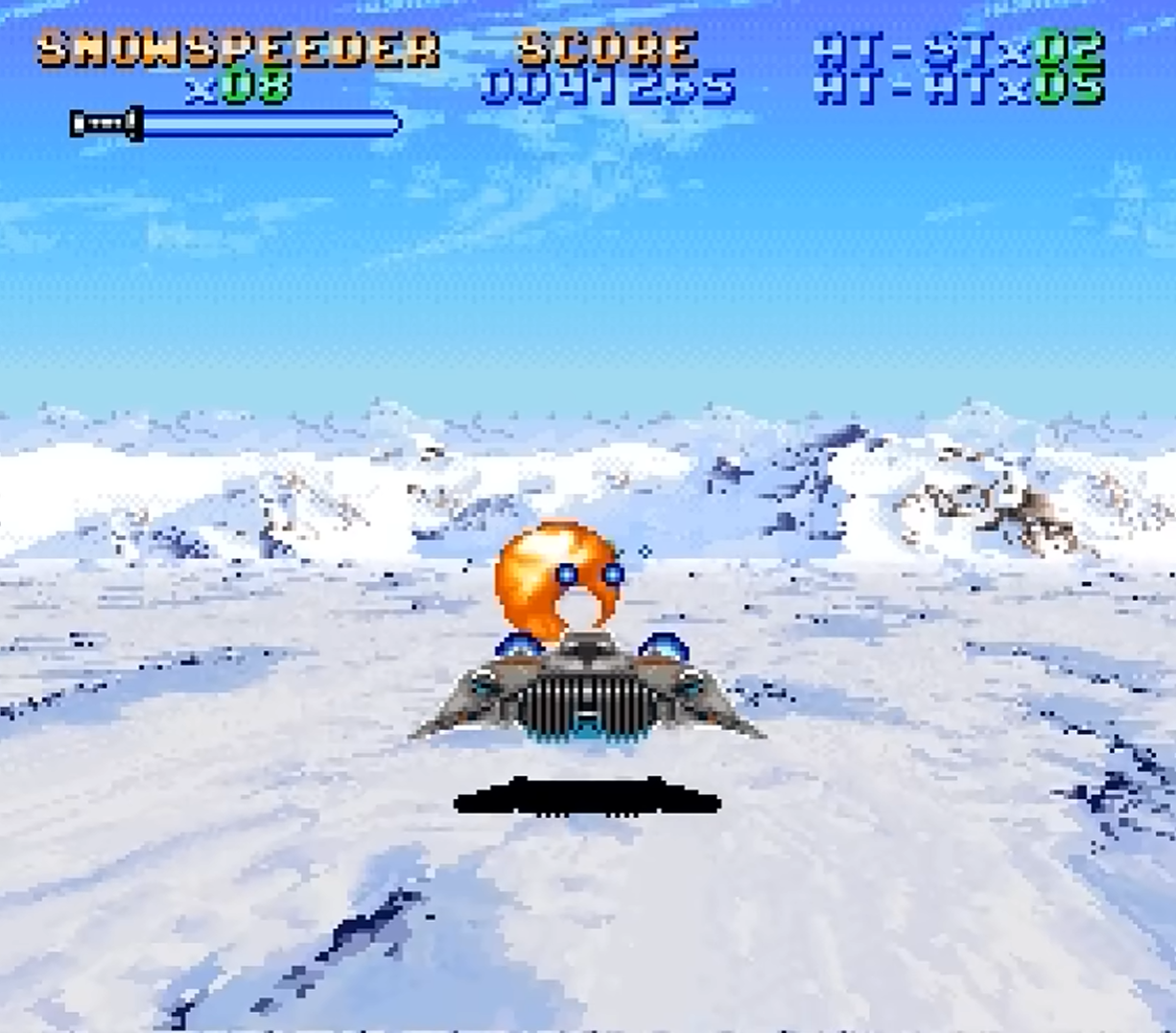
A Star Wars game that opens on snow trenches, invading Imperial walkers, and a collapsing Rebel defense is already playing with good cards. And Super Empire Strikes Back understands that. The Hoth material gives the game scale right away, and the famous Mode 7 AT-AT attack became one of the standout showcase moments people still mention when talking about the game. It was specifically praised in period reviews as one of the visual high points.
That is one of the reasons the sequel tends to leave such a strong impression. The first Super Star Wars was already striking, but Empire has more room to be theatrical. It is not just desert platforming and cantina chaos this time. It is war, collapse, training, betrayal, and one of the best endings in the trilogy, all filtered through SNES spectacle and a platforming engine that never met a quiet evening it could not ruin.
The movie gets stretched, but in the right places
Like the first game, this is not a delicate one-to-one retelling of the film.
It expands locations, invents extra encounters, adds enemies and bosses that either did not exist in the movie or certainly did not appear in such enthusiastic numbers, and generally behaves like a game that knows its job is not historical accuracy. Its job is to take The Empire Strikes Back and make it playable, dramatic, and long enough to justify the cartridge. MobyGames notes that several locations are expanded and certain key events are changed or omitted, which is really just a polite way of saying the film got turned into SNES business.
And honestly, that works better here than you might expect.
Empire already has a built-in sense of escalation. You start with a losing battle, drift into strange training-ground mysticism, then move toward the cleaner, more sinister world of Bespin before everything goes wrong in Cloud City. That structure lets the game shift tone more naturally than a lot of movie adaptations from the era. It still takes liberties, of course. But they feel less like panic and more like translation.
The playable cast still helps the whole thing breathe
One of the smartest recurring ideas in the Super Star Wars games is that they do not trap the whole experience inside one character.
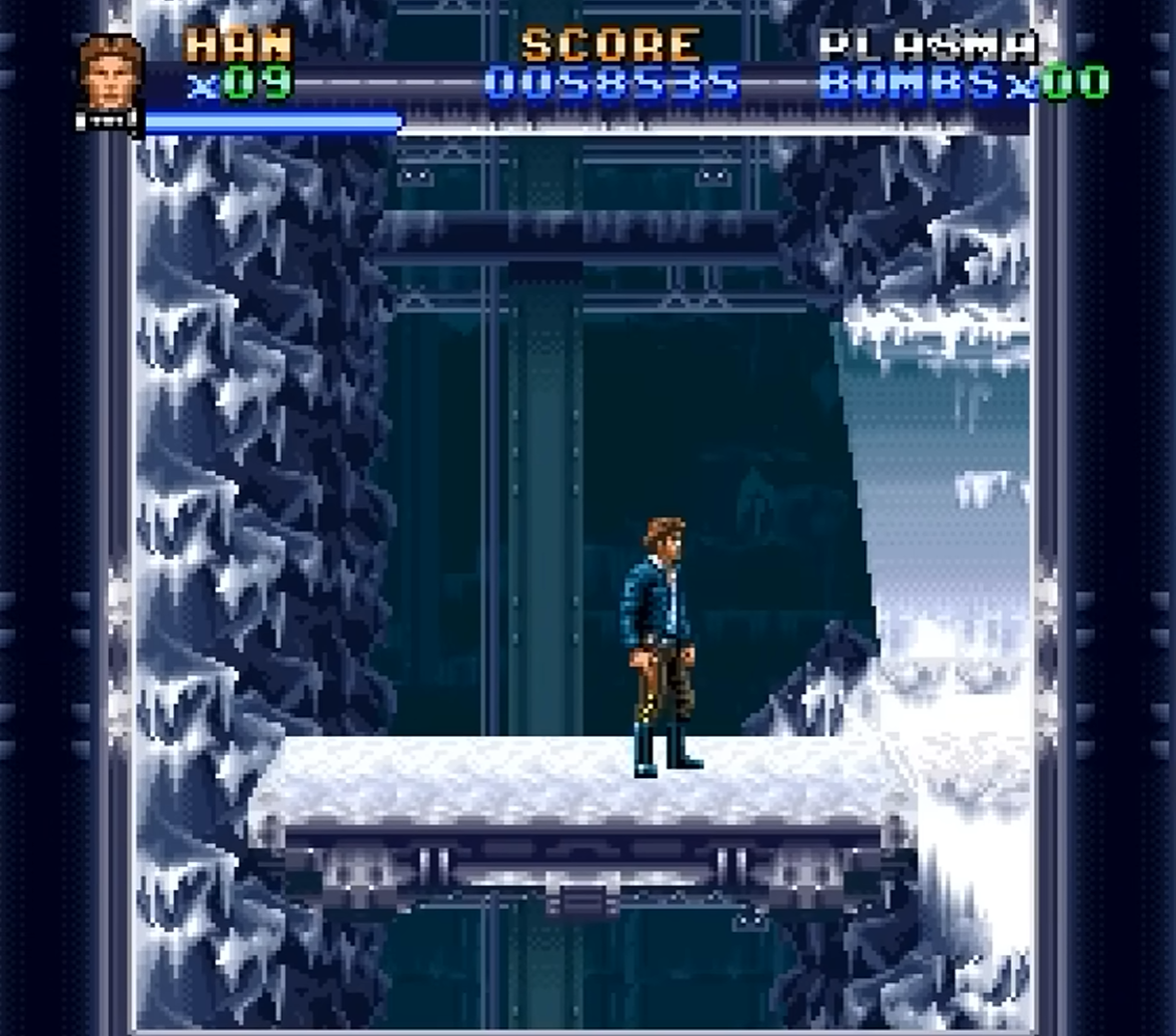
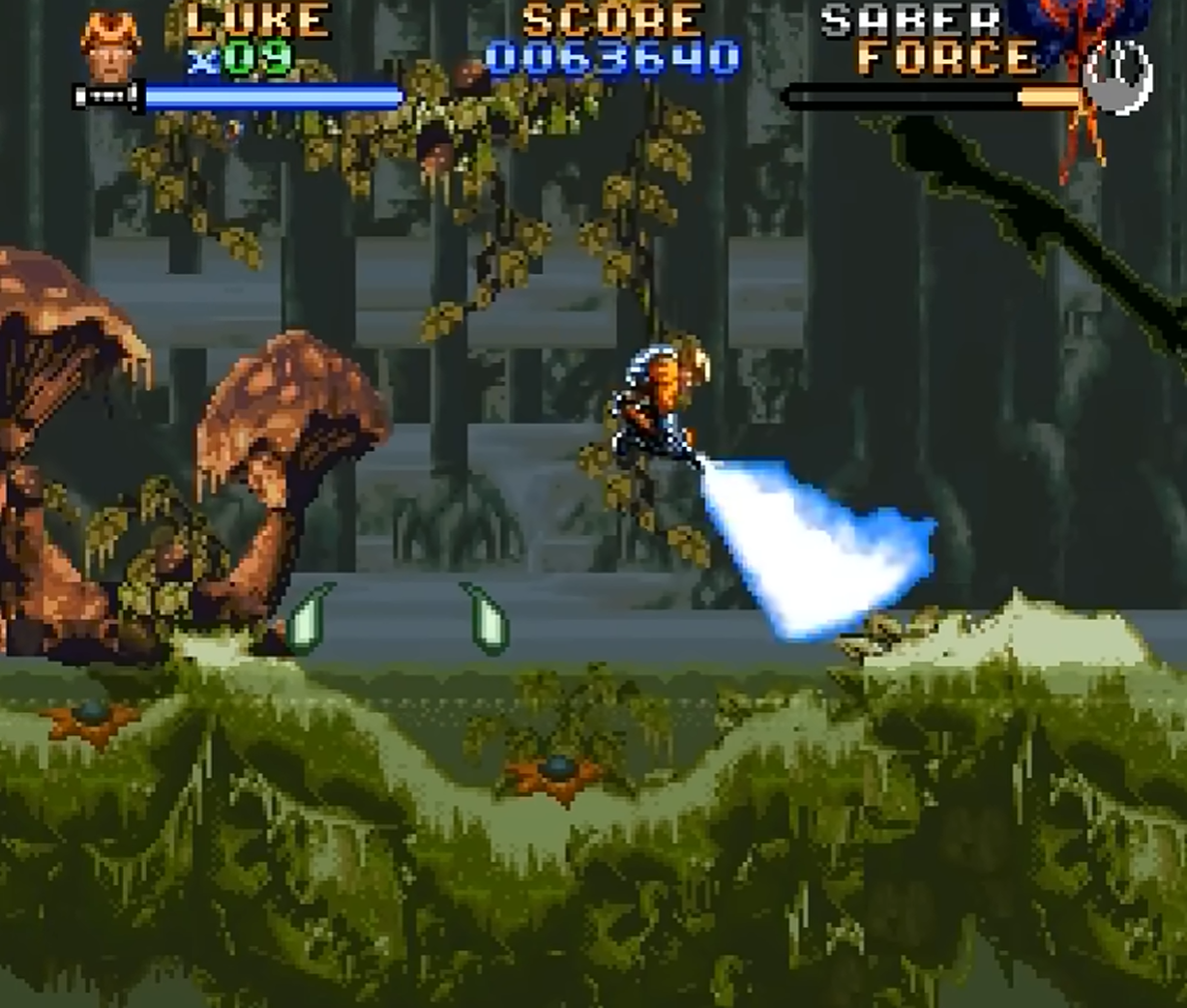
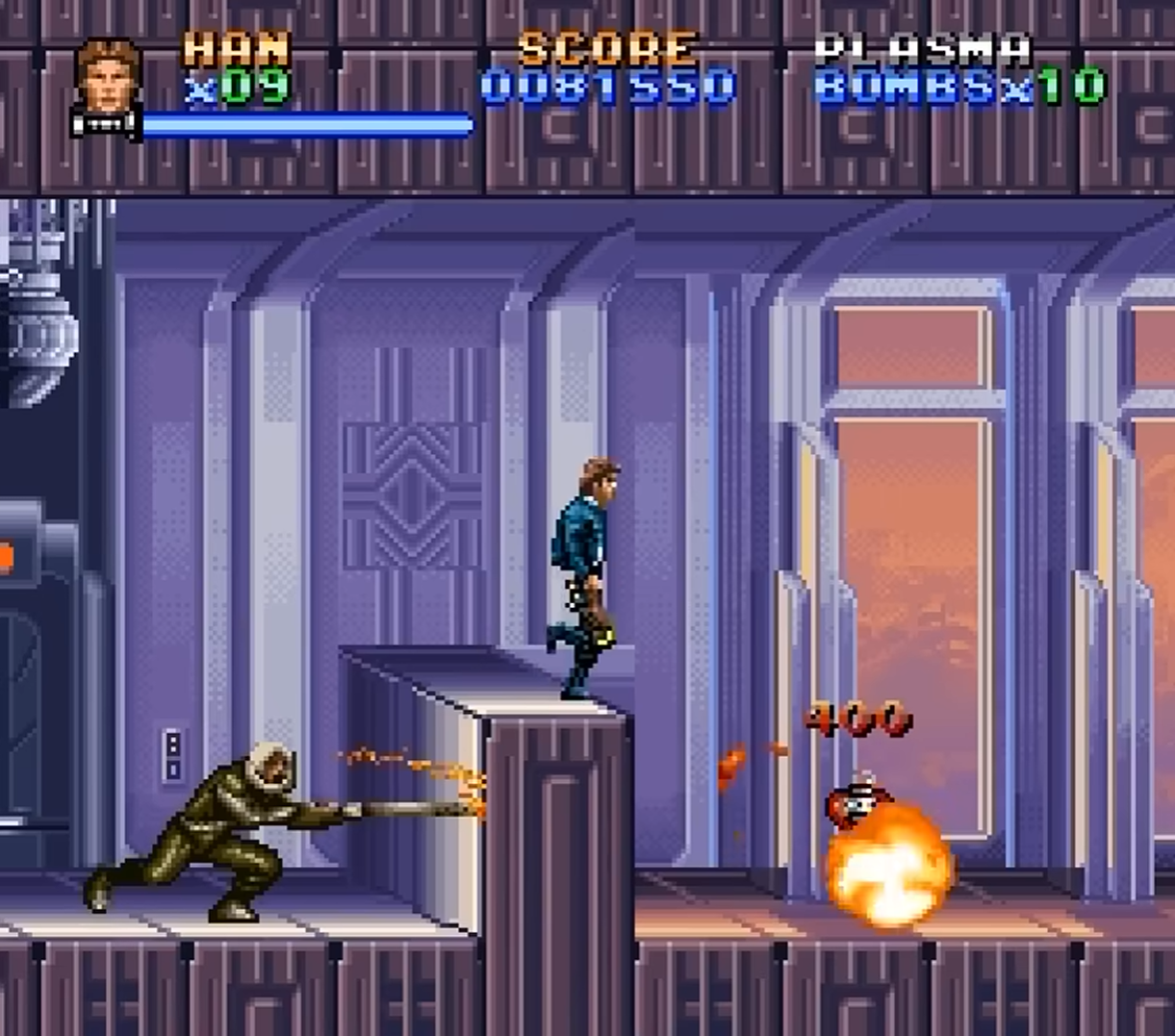
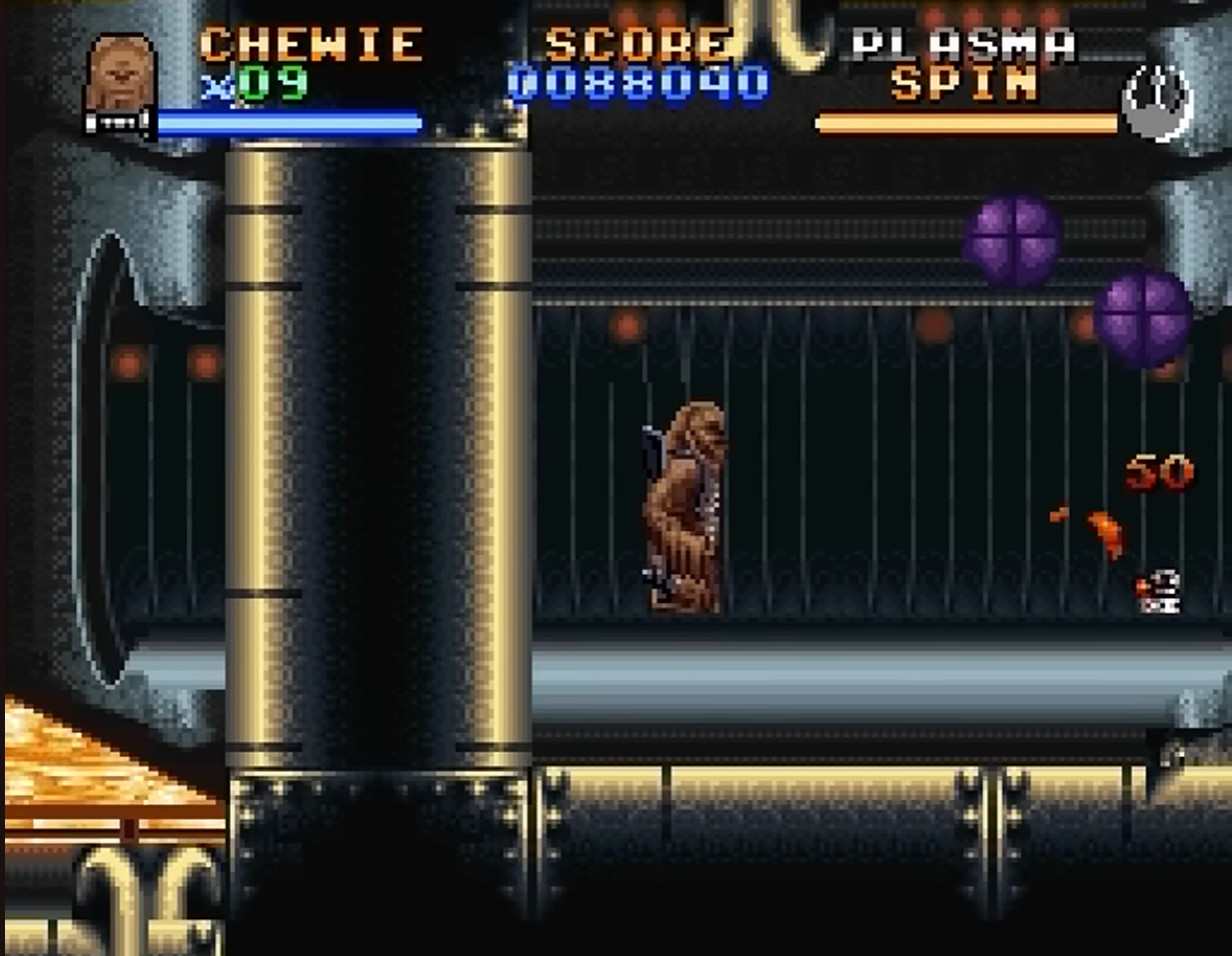
Like the first title, Super Empire Strikes Back lets you play as more than just Luke. Han Solo and Chewbacca also return as playable characters, which helps the game avoid feeling too narrow and gives the combat a bit more variation. That is a big help in a game this aggressive. Different characters change the rhythm just enough to keep the campaign from becoming one long scream in snow, swamp, and steel corridors.
It also fits the film nicely. Empire is not just Luke’s story. It is a movie where the heroes split up, cross very different environments, and keep colliding with danger in different forms. The game does not recreate that elegantly in every single moment, but it does understand the value of spreading the fantasy around.
This might be the game where the trilogy’s difficulty reputation really locked in
The first Super Star Wars is hard. Nobody sane argues otherwise.
But Super Empire Strikes Back is often the one people remember as genuinely vicious.
That reputation is not coming from nowhere. Contemporary reviewers praised the presentation and action, but they also pointed to the controls, heavy enemy pressure, and high difficulty. Later retrospectives have been even clearer: Complex called it the best Star Wars game on the SNES while also saying it was the most difficult of the three. That feels about right. The game is confident, stylish, and often extremely determined to make sure you suffer for the privilege of seeing what comes next.
But unlike some hard games that just feel stiff or thankless, this one usually earns the punishment. It looks good, sounds good, and has enough dramatic momentum that you keep going back in. It is not kind, but it is compelling.
There is a difference.
The presentation stayed strong, and critics noticed
A lot of why the Super Star Wars trilogy still has a grip on people comes down to presentation, and Super Empire Strikes Back absolutely delivered there.
Reviews praised the graphics, sound, and film-faithful atmosphere. Electronic Gaming Monthly liked the cinematic presentation. AllGame praised the soundtrack, action scenarios, and overall sense that the game felt faithful to the film, even while complaining about blind jumps and cheap hits. Super Gamer gave it 85%, specifically calling out the Mode 7 AT-AT sequence, while Power Unlimited scored it 92%. Later, IGN placed it in their Top 100 SNES Games, and Nintendo Power staff ranked it among the best SNES titles of 1993.
That is a pretty healthy legacy for a game that also enjoys knocking the player down stairs.
It is also a reminder that this was not just a difficult sequel coasting on brand power. People genuinely thought it was good.
It also sold
This one was not just critically visible. It sold well enough to make noise.
According to the reception summary on Wikipedia, Super Star Wars: The Empire Strikes Back was the top-selling SNES game in the UK in February 1994. That does not make it the biggest game in history, obviously, but it does tell you the series had real traction. By that point, the Super Star Wars line was not a strange experiment anymore. It was an established, recognisable part of the Star Wars gaming landscape.
And that matters historically, because it shows this trilogy was doing more than just pleasing a niche of gluttons for punishment and 16-bit nostalgia. It had audience. It had presence. It had teeth.
Why it matters in the archive
This is where Super Empire Strikes Back becomes more than just “the second hard SNES one.”
It matters because it shows the Super Star Wars formula maturing. Super Star Wars (1992) proved the 16-bit approach worked. Super Empire Strikes Back proved it was not a one-off. It sharpened the tone, leaned into a stronger movie, and helped turn the trilogy into a genuine branch of Star Wars gaming history rather than a flashy experiment.
It also works beautifully as a continuation of the line we have been following. The older Star Wars (1991) and The Empire Strikes Back (1992) games showed the rough early console versions of this idea. Super Star Wars made it larger and more iconic. Super Empire Strikes Back is where the whole thing starts to feel like a real institution.
The view from Cloud City
There are smoother Star Wars games than Super Empire Strikes Back.
There are fairer ones too. Probably healthier ones.
But this one still matters because it took a strong 16-bit formula and found a better movie to feed into it. The result was bigger, moodier, more dramatic, and just vicious enough to stay lodged in people’s memory for decades.
That is not mercy.
That is a sequel doing its job.
FAQ
What is Super Star Wars: The Empire Strikes Back?
It is a 1993 SNES action game based on The Empire Strikes Back, and the second entry in the Super Star Wars trilogy.
Who developed Super Star Wars: The Empire Strikes Back?
The game was developed by Sculptured Software and LucasArts and published by JVC Musical Industries.
What platform was it released on?
It originally released on the Super Nintendo Entertainment System in 1993.
Which movie locations appear in the game?
The game includes areas based on Hoth, Dagobah, Bespin, Echo Base, and Cloud City, along with major encounters involving Boba Fett and Darth Vader.
Was Super Empire Strikes Back well reviewed?
Yes. It received positive reviews, with praise for its graphics, music, atmosphere, and action, though critics also pointed to its difficulty and control issues.
Why is it worth revisiting today?
Because it is one of the clearest examples of the Super Star Wars trilogy finding its full identity: cinematic, gorgeous, aggressive, and very committed to making players earn their progress.
Author

Related Posts

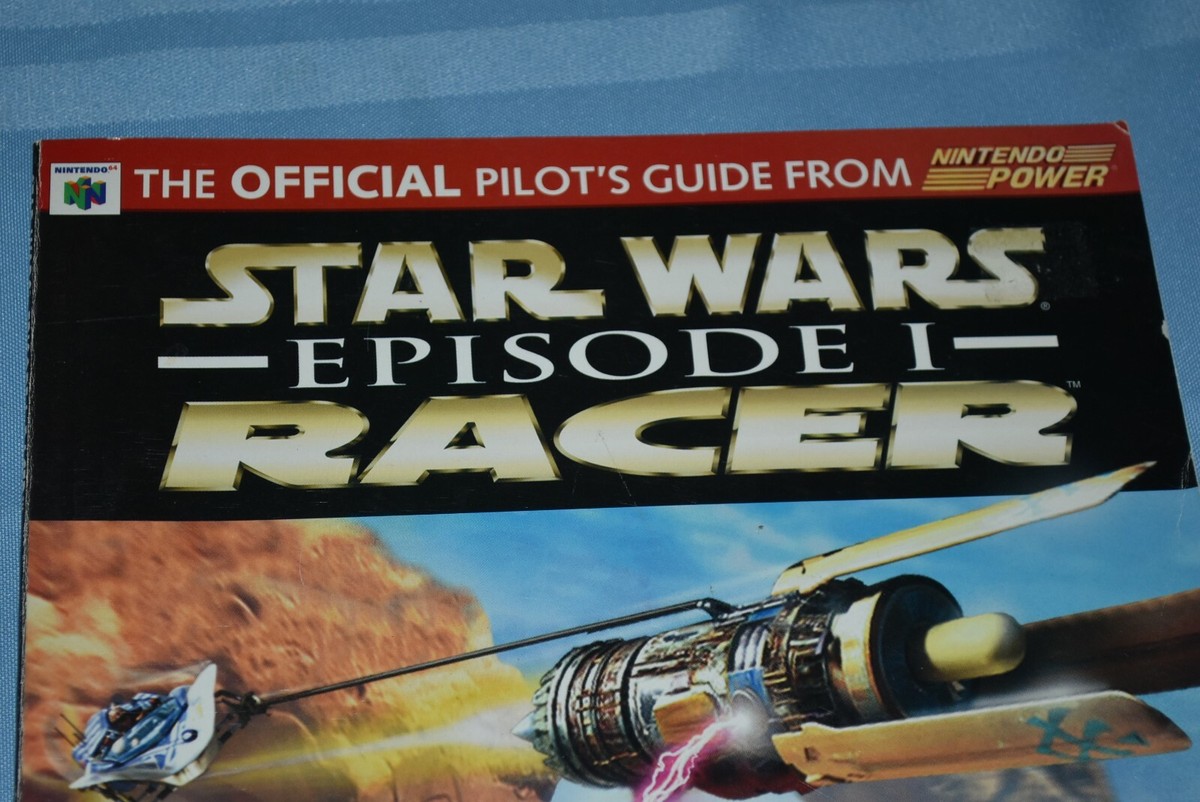
Before YouTube Guides, Star Wars: Episode I Racer Needed a Book
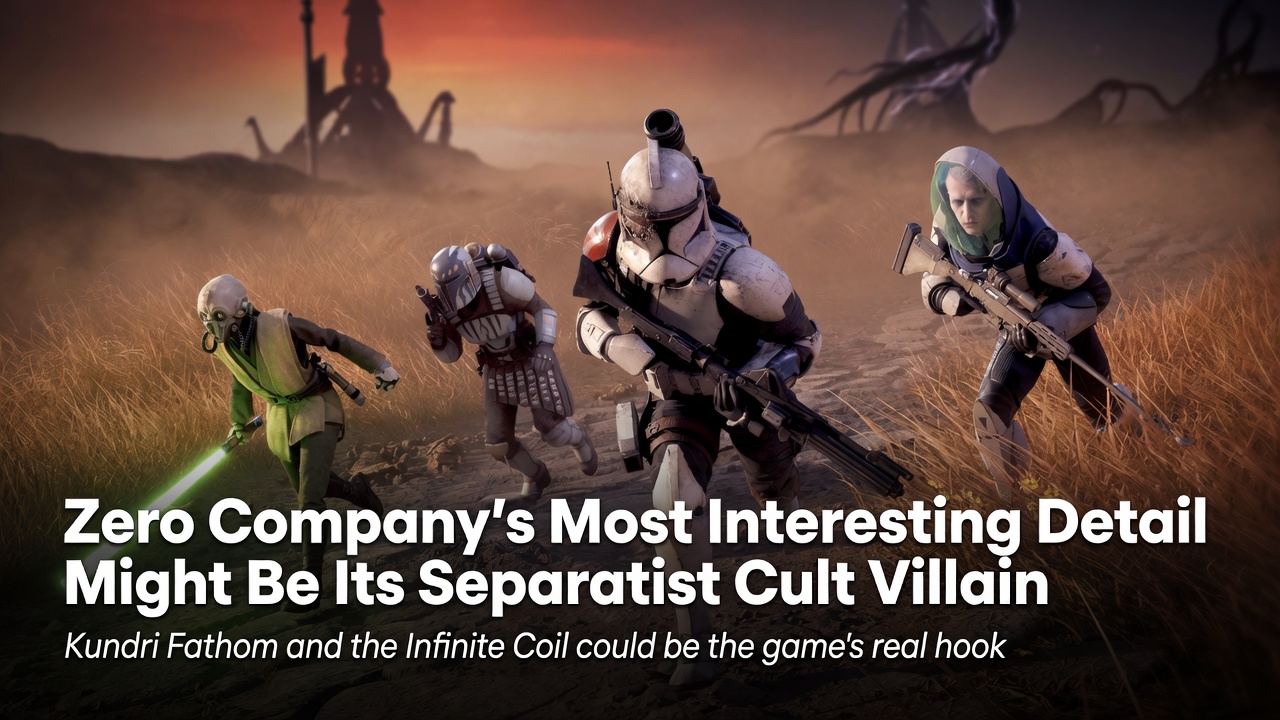
Star Wars Zero Company’s Most Interesting Detail Might Be Its Separatist Cult Villain
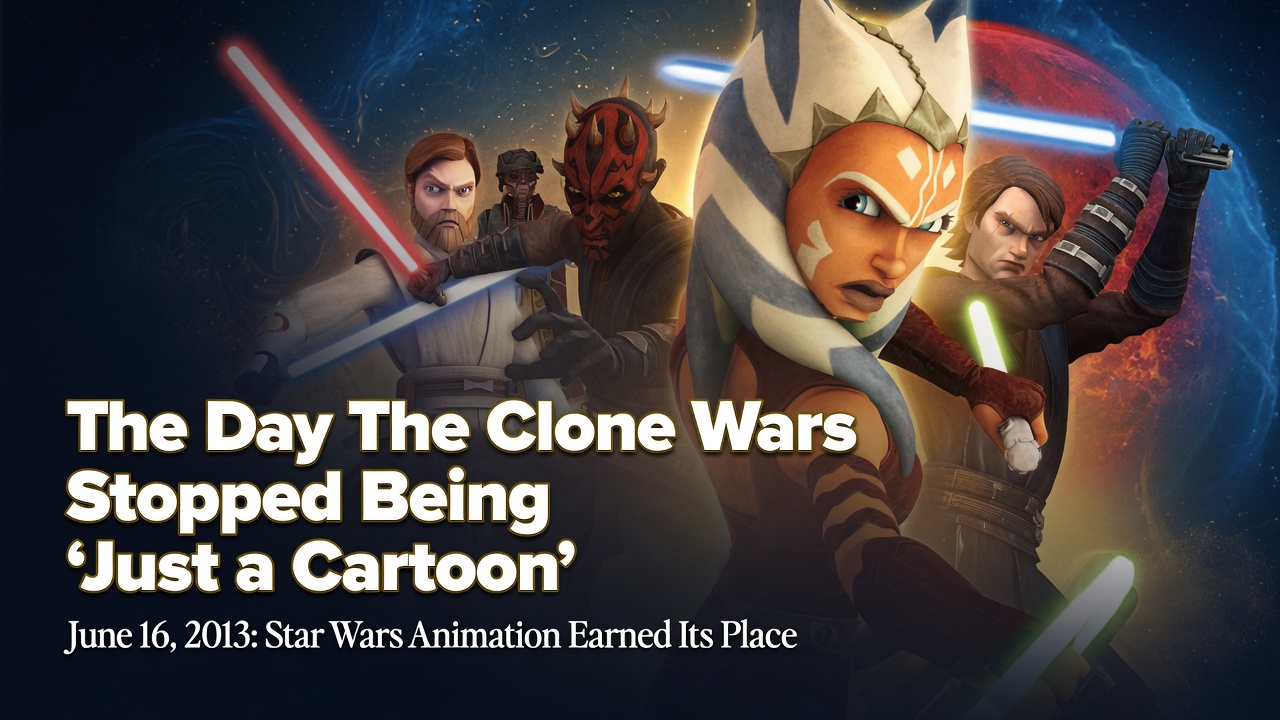
The Day The Clone Wars Stopped Being “Just a Cartoon”
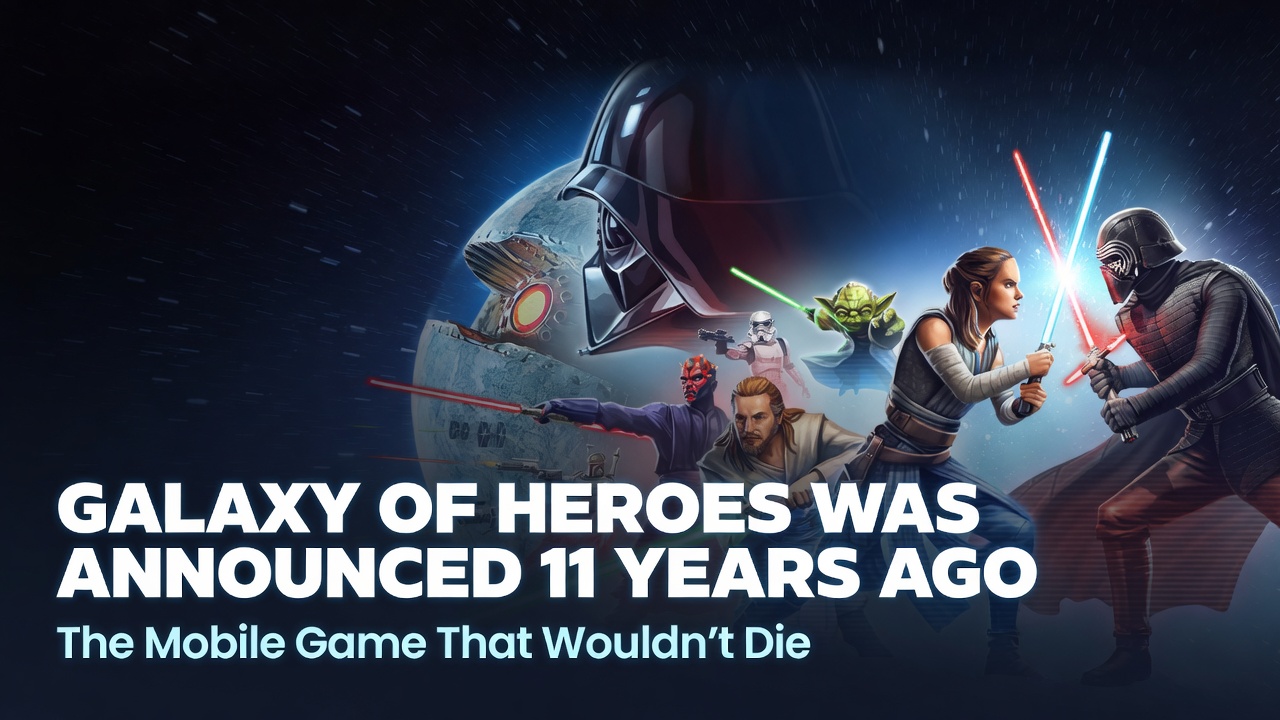
Star Wars: Galaxy of Heroes Was Announced 11 Years Ago, and Somehow It Became the Mobile Game That Wouldn’t Die
The Mandalorian and Grogu Just Crossed $315 Million, and Star Wars Finally Escaped Solo’s Shadow
Ahsoka Season 2 Might Finally Give Ezra Bridger the Spotlight He Deserves
Manny Jacinto’s Favorite Star Wars Movies Say a Lot About Why Fans Love the Weird Stuff
Online Casino Has Become A Gaming Genre Of Its Own