

Most Star Wars games ask you to win a battle. Star Wars: Rebellion asked you to administer the consequences. It wanted to know where your ships were built, which planets paid for them, whether the local population supported your government, who was spying on your shipyards, which officer should command the fleet, and whether Luke Skywalker had enough spare time between diplomatic assignments to become a Jedi. Then it opened another window. Released for Windows in 1998, Star Wars: Rebellion was developed by Coolhand Interactive and published by LucasArts. In the United Kingdom and Ireland, the same game was released as Star Wars: Supremacy. There are no separate campaigns, altered mechanics, or regional design differences hiding behind the second title. Rebellion and Supremacy are the same enormous, stubborn, fascinating strategy game. The premise was almost irresponsibly ambitious. Instead of focusing on one battlefield, one fleet, or one group of heroes,…
lucasarts
Star Wars: Episode I – The Phantom Menace (1999): The Movie Game That Survived Development Chaos
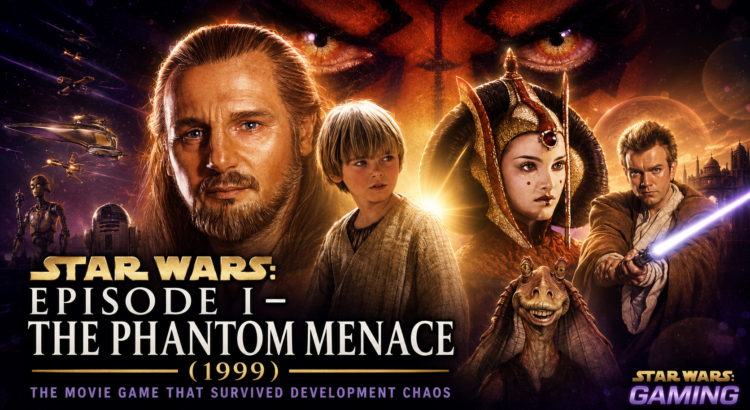
There are many ways to fail a diplomatic mission. You can insult the other side. You can misunderstand the negotiations. You can discover that the conference room is filling with poisonous gas while an army of battle droids waits outside. Or, in Star Wars: Episode I – The Phantom Menace, you can accidentally swing a lightsaber at the wrong person and turn the entire Trade Federation ship into a workplace dispute. Released for Windows and PlayStation in 1999, The Phantom Menace was Big Ape Productions’ attempt to squeeze George Lucas’ first prequel into a third-person action-adventure. Players moved between Obi-Wan Kenobi, Qui-Gon Jinn, Queen Amidala, and Captain Panaka across an expanded retelling of the film, mixing lightsaber combat, blaster fights, puzzles, exploration, conversations, trading, and side objectives. It was ambitious. It was awkward. It had a camera that occasionally behaved like it had also been hit with a Force push….
Star Wars: Yoda Stories (1997): The Tiny Desktop Adventure That Made the Galaxy Feel Like a Lunch Break
Some Star Wars games want to recreate the Battle of Hoth. Others want to simulate the pressure of commanding an Imperial fleet, surviving a lightsaber duel, or deciding whether your Jedi should remain noble or start firing Force lightning at everyone who mildly irritates them. Star Wars: Yoda Stories wanted to sit quietly in a small Windows box while you avoided doing actual work. Released for Windows in 1997, Yoda Stories was LucasArts’ second and final Desktop Adventures game after Indiana Jones and His Desktop Adventures. Rather than delivering one large campaign, it generated compact missions intended to be completed in short sessions, usually within about an hour. A Game Boy Color version followed in 1999, although that adaptation made some substantial compromises. It sounds modest because it was modest. That was the entire point. As part of our complete archive of every Star Wars game ever released, Yoda Stories…
Star Wars: Rebel Assault II – The Hidden Empire (1995): The Sequel That Let Star Wars Get Even More Cinematic
If Star Wars: Rebel Assault (1993) was the moment LucasArts looked at the CD-ROM era and said, “what if Star Wars tried to feel like a movie now?”, then Rebel Assault II – The Hidden Empire is the sequel where that idea got bigger, shinier, stranger, and much more convinced it could pull the whole thing off. And to be fair, sometimes it really did. The first Rebel Assault was already built around spectacle. It wanted movement, drama, music, explosions, and that early-90s “look what this machine can do now” energy. But Rebel Assault II pushed that vision further. It did not just want to feel cinematic. It wanted to feel like Star Wars had stepped directly into the era of live-action CD-ROM ambition and decided subtlety was for weaker franchises. That makes it one of the most fascinating Star Wars games of the 1990s. As part of our Complete…
Star Wars: Rebel Assault (1993): The CD-ROM Star Wars Game That Wanted to Be a Movie
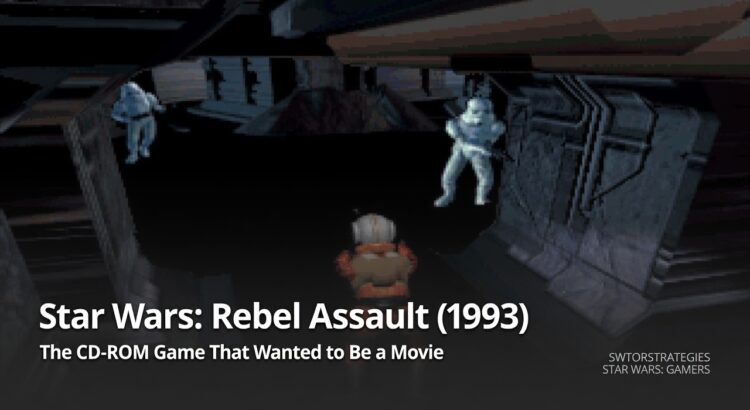
There are Star Wars games that want you to learn systems. There are Star Wars games that want you to master mechanics. And then there is Star Wars: Rebel Assault, a game that mostly wanted you to slam a CD into your computer, stare at the screen, and say, “Wait, games can do that now?” That was the magic of it in 1993. Star Wars: Rebel Assault arrived at exactly the right moment: the early CD-ROM era, when developers were suddenly drunk on storage space, cinematic ambition, and the exciting possibility of making players feel like they were inside a movie instead of just standing near one. It was developed and published by LucasArts, and more than almost any Star Wars game before it, it sold itself on spectacle. Not depth. Not freedom. Spectacle. And honestly, that was enough. As part of our Complete List of All Star Wars Games…
Super Star Wars: Return of the Jedi (1994): The Finale That Turned the SNES Trilogy Into a Proper Monster
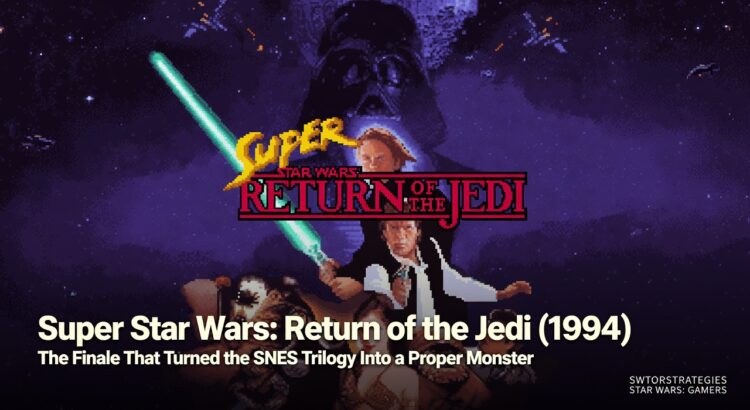
If Super Star Wars (1992) was the moment Star Wars found its 16-bit swagger, and Super Star Wars: The Empire Strikes Back (1993) was the sequel that sharpened that swagger into something a little colder and much meaner, then Super Star Wars: Return of the Jedi (1994) is the finale where the whole thing stops pretending to be a respectable movie adaptation and just becomes a beautiful, aggressive, mildly unhinged SNES beast. And honestly, that was probably the right move. This was the third and final game in the Super Star Wars trilogy, and by the time it arrived, the formula was fully locked in. Big sprites. Loud action. Movie scenes remixed into game logic. Enemies everywhere. Bosses where there really did not need to be bosses. Platforming with opinions. A soundtrack doing its best to drag John Williams through the SNES sound chip and come out swinging. As part…
The Cancelled Darth Maul Game Still Hurts 15 Years Later
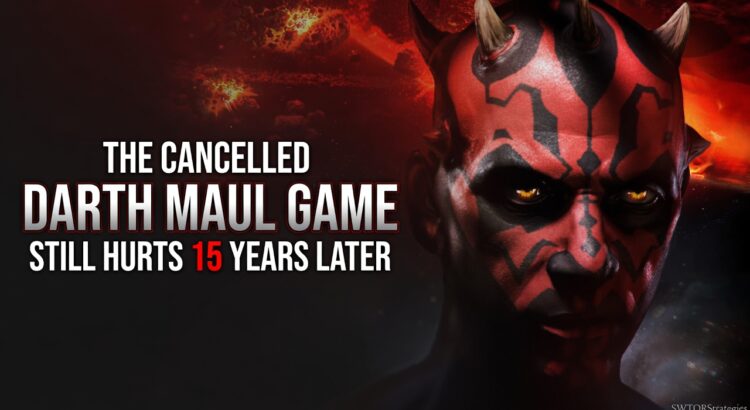
Darth Maul almost got the Star Wars game he deserved. Not a cameo. Not a bonus skin. Not another appearance where he shows up, looks furious, ignites the double-bladed lightsaber, and leaves before the game remembers what to do with him. A full game. And 15 years after Red Fly Studio’s Darth Maul project was cancelled, it still feels like one of the most painful missed opportunities in Star Wars gaming. The project, often discussed under the working title Battle of the Sith Lords, was in development at Red Fly Studio before being cancelled in 2011. Over the years, reported details and prototype footage have painted a picture of a game that could have been a darker, sharper, more aggressive kind of Star Wars action title. Maul was not just a villain with a cool design. He was a perfect video game character hiding in plain sight. Fast. Violent. Silent….
Star Wars Galaxies Was the MMO That Let Players Live in the Galaxy Before SWTOR
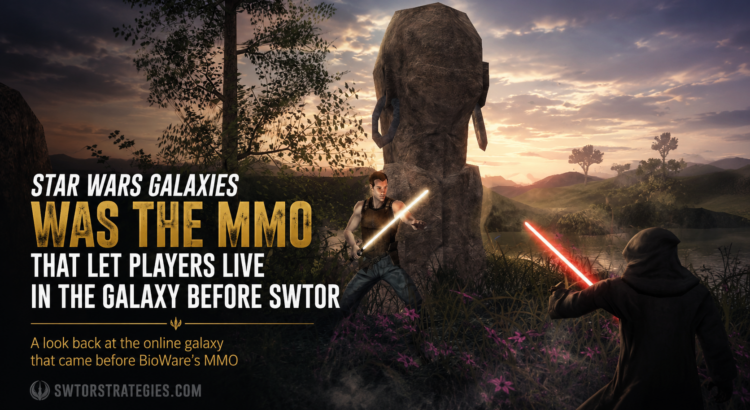
On June 26, 2003, Star Wars Galaxies: An Empire Divided launched in the United States. It did not arrive like a Death Star blast. It arrived carefully. Quietly, even. For a massive Star Wars MMO from LucasArts and Sony Online Entertainment, that was almost strange. This was not just another licensed game. This was the dream: a living online Star Wars galaxy where players could become smugglers, scouts, entertainers, medics, artisans, bounty hunters, rebels, Imperials, merchants, citizens, weirdos, and eventually, if the galaxy felt especially cruel, Jedi. Before Star Wars: The Old Republic gave players cinematic class stories and fully voiced BioWare drama, Star Wars Galaxies offered something different. A place. Not just a story to follow. A galaxy to live in. Galaxies Was Built on a Different Fantasy Most Star Wars games put the player near the center of history. You are the Jedi. The commando. The pilot. The…
20 Years Ago, George Lucas Officially Became Science Fiction History
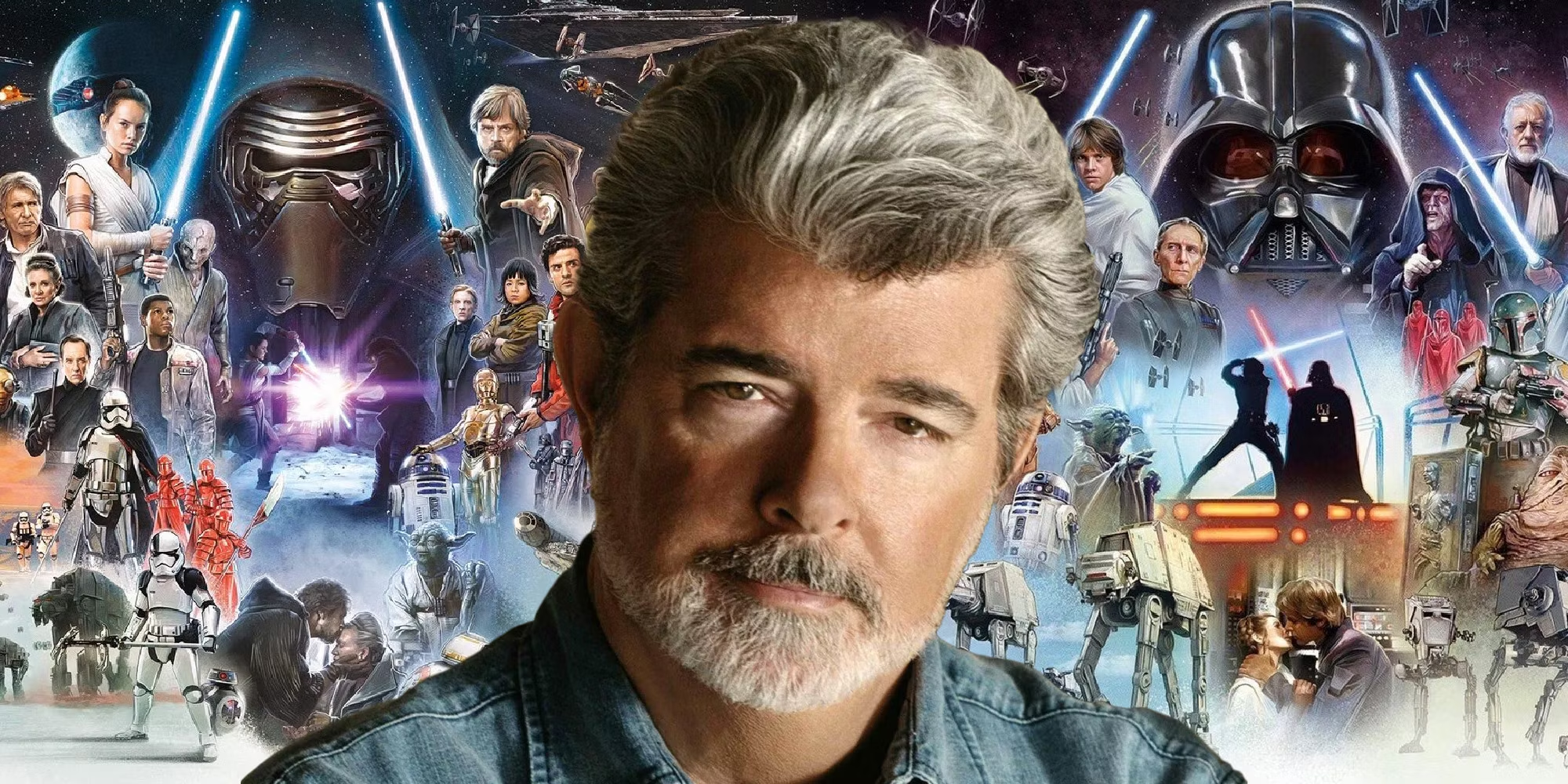
On June 17, 2006, George Lucas was inducted into the Science Fiction Hall of Fame. Which feels obvious now. Of course he was. This is George Lucas. The man did not simply make a popular movie series. He built a galaxy, broke the toy aisle, changed visual effects, rewired blockbuster filmmaking, and accidentally created the kind of fandom argument machine that may outlive civilization itself. But the 2006 induction still matters, because it placed Lucas exactly where Star Wars had always belonged: not just in pop culture, but in science fiction history. Star Wars Was Never “Just Space Fantasy” For decades, Star Wars has carried a strange label problem. Some people call it science fiction. Others insist it is fantasy with lasers. Some call it mythology. Some call it pulp adventure. Some call it a merchandising empire with excellent sound design. The annoying truth is that it is all of…
Super Star Wars: The Empire Strikes Back (1993): The Sequel That Made the SNES Trilogy Even Meaner
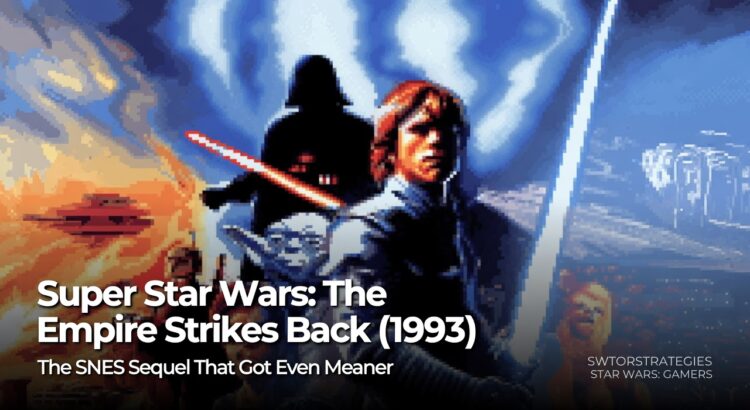
If Super Star Wars (1992) was the moment Star Wars finally found the right kind of 16-bit violence, then Super Star Wars: The Empire Strikes Back was the sequel that looked at that formula and said, “Good. Now make it colder, harder, and just a little bit crueler.” That was a solid creative choice. Released for the Super Nintendo in 1993, the game was developed by Sculptured Software and LucasArts and published by JVC Musical Industries. It was the second entry in the Super Star Wars trilogy, based on The Empire Strikes Back, and it would later be followed by Super Star Wars: Return of the Jedi in 1994. As part of our Complete List of All Star Wars Games Ever Made (1979–Present), this is one of those games that really earns its spot. It also sits naturally in the Star Wars Games (1990–1999) hub, right next to the games…
Super Star Wars (1992): When Star Wars Went 16-Bit and Lost Whatever Mercy It Had Left
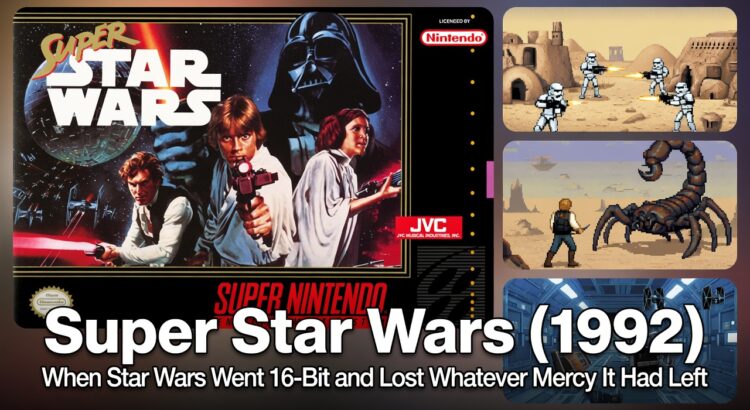
If Star Wars (1991) on NES felt like A New Hope had been turned into a weird, hard platformer, then Super Star Wars felt like somebody gave that idea more horsepower, more color, more explosions, and absolutely no intention of making your life easier. Released for the Super Nintendo in 1992, the game was developed by Sculptured Software with Lucasfilm Games / LucasArts involvement and published by JVC Musical Industries. It adapted the original 1977 film into a 16-bit action game full of side-scrolling blaster fights, platforming, landspeeder stretches, and the inevitable Death Star trench run. As part of our Complete List of All Star Wars Games Ever Made (1979–Present), this is one of those games that really feels like a line in the sand. It also belongs naturally in the Star Wars Games (1990–1999) hub, because this is where Star Wars on home consoles stopped looking merely ambitious and…
The June 1 Lucasfilm Move That Quietly Started Modern Star Wars
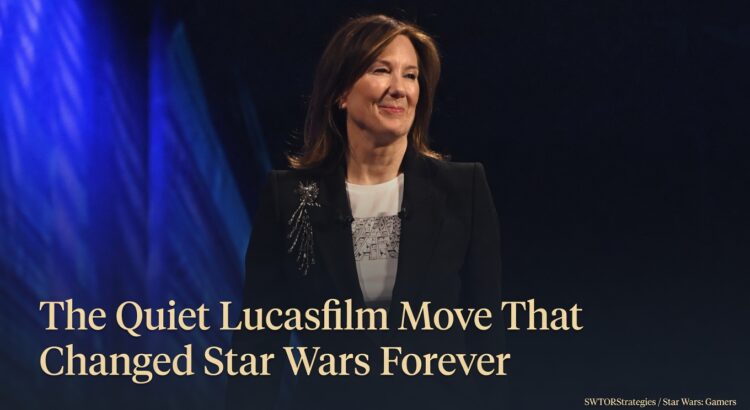
Before Disney bought Lucasfilm, before The Force Awakens, before Grogu, Andor, Ahsoka, the sequel trilogy, the streaming era, and the endless online arguments, there was a quieter announcement. On June 1, 2012, Kathleen Kennedy was named co-chair of Lucasfilm. At the time, it looked like a major leadership move. In hindsight, it looks like one of the first visible steps toward the modern Star Wars era. In a later StarWars.com reflection on the future of Lucasfilm, Pablo Hidalgo described that June 1 announcement as one of the early pieces of news that came before the much bigger October reveal: Disney was acquiring Lucasfilm, and new Star Wars films were coming. That is the strange thing about franchise history. Sometimes the biggest turns do not arrive with a lightsaber ignition. Sometimes they arrive as a press announcement. The Quiet Before the Disney Era Kennedy’s arrival at Lucasfilm came months before the…
Star Wars 1313 Was Revealed 14 Years Ago, and It Still Haunts Star Wars Gaming
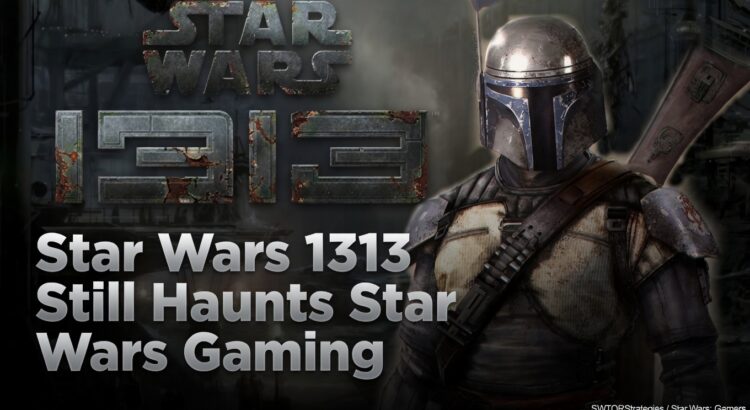
Some cancelled games disappear. Star Wars 1313 did the opposite. It never came out, but somehow it still feels like one of the most famous Star Wars games of the last decade. Revealed in 2012, Star Wars 1313 promised a darker, grittier trip into the Coruscant underworld. No Jedi fantasy. No chosen-one glow. No Force powers solving every problem. Just bounty hunters, crime, vertical city danger, and the kind of Star Wars setting that looked like it had not seen sunlight in years. That is probably why people still talk about it. The Star Wars Game That Looked Different At the time, Game Developer described Star Wars 1313 as a darker and more mature take on the franchise, built around a bounty hunter investigating a criminal conspiracy beneath Coruscant. That pitch still sounds painfully good. It was not trying to retell a movie. It was not asking players to become…
Super Star Wars: The Empire Strikes Back Was SNES Star Wars at Its Most Bruta
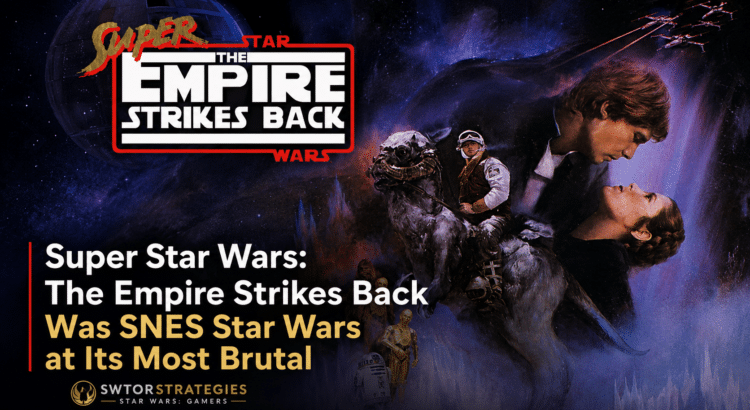
Some Star Wars games gently invite you into the galaxy. Super Star Wars: The Empire Strikes Back kicked the door open, threw you onto Hoth, and started blasting before you had time to ask where the health pickups were. Released for the Super Nintendo in 1993, the game remains one of the most gloriously punishing entries in the long history of Star Wars gaming. It took the darkest chapter of the original trilogy and turned it into fast, loud, side-scrolling chaos full of blaster fire, platforming, boss fights, vehicle sequences, and absolutely no concern for your blood pressure. In the wider complete history of Star Wars games, it stands as a perfect example of early console Star Wars: ambitious, dramatic, slightly unfair, and very willing to hurt you. The Empire Struck Hard on SNES The Super Star Wars trilogy did not adapt the films quietly. These games took familiar movie…
Star Wars: The Empire Strikes Back (1992): The Sequel That Made the NES Star Wars Games Meaner
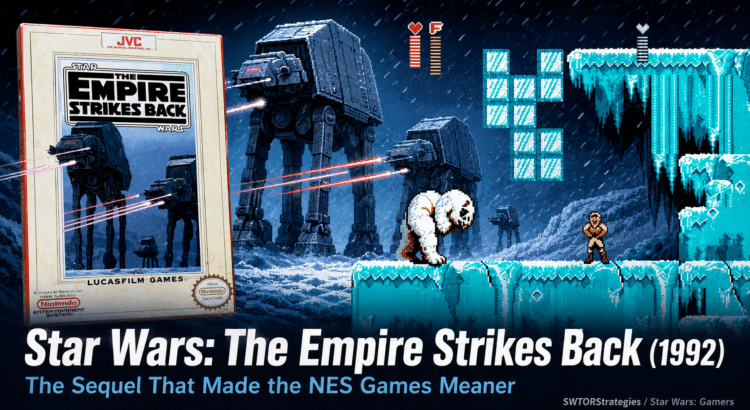
If Star Wars (1991) took A New Hope and turned it into a weird, hard platformer with a surprisingly personal grudge against the player, then The Empire Strikes Back (1992) looked at that formula and decided it needed more snow, more punishment, and a slightly darker mood. That was not a terrible instinct. Based on the 1980 film, the game launched on NES in 1992 and later came to Game Boy, with the NES version credited to Lucasfilm Games and Sculptured Software, and the Game Boy version credited to NMS Software. As part of our Complete List of All Star Wars Games Ever Made (1979–Present), this one matters because it continues a very specific and very early-90s idea of what Star Wars should feel like on home hardware. It also sits naturally in the Star Wars Games (1990–1999) hub, right after Star Wars (1991), because together they form a sort…
Star Wars (1991): The Game That Made A New Hope Weird, Hard, and Weirdly Memorable
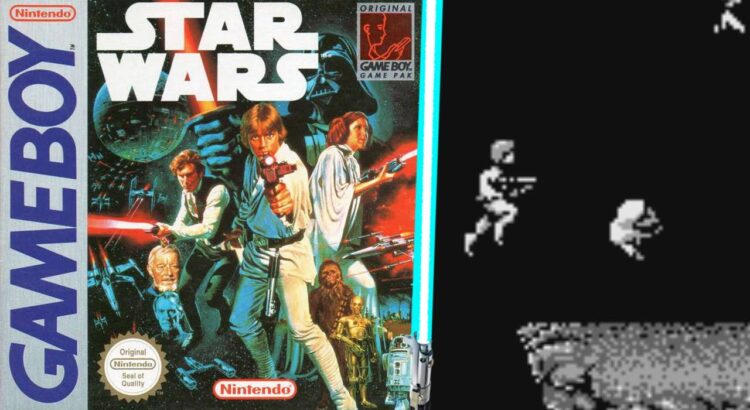
There are Star Wars games that feel elegant. Clean. Heroic. Cinematic. And then there is Star Wars (1991), which looks at A New Hope and decides the best way to honor one of the most beloved films of all time is to make Luke Skywalker jump over bottomless pits, fight a surprising amount of hostile wildlife, and occasionally take on giant enemies that feel like they wandered in from a different genre entirely. And somehow, against all odds, that version of Star Wars stuck. Released in 1991 for the NES and later adapted for the Game Boy in 1992, this was one of the first really visible Star Wars console action games of the 1990s. It was published by JVC Musical Industries and developed by Beam Software, taking the broad story of A New Hope and reshaping it into a side-scrolling action-platformer that was much stranger, harder, and more game-y…
Star Wars: Droids (1988): The Odd Little Cartoon Tie-In That Took Star Wars Somewhere Else
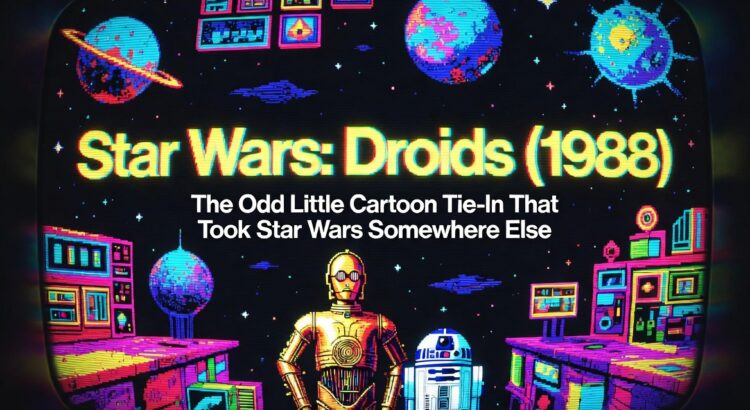
Not every Star Wars game begins with a trench run, a lightsaber, or an exploding space station. Some begin with R2-D2 and C-3PO wandering into another problem, which is more or less the permanent condition of their lives anyway. That is what makes Star Wars: Droids such an interesting little side road in the archive. Released in 1988 for the ZX Spectrum, Amstrad CPC, and Commodore 64, the game was published by Mastertronic Added Dimension and developed by Binary Design as a tie-in to the animated Droids series, also known as Star Wars: Droids – The Adventures of R2-D2 and C-3PO. As part of our Complete List of All Star Wars Games Ever Made (1979–Present), this is exactly the kind of title that deserves more attention than it usually gets. It also sits comfortably in the Star Wars Games (1979–1989) era, because it shows how strange and flexible Star Wars…
How The Phantom Menace Launched the Weirdest Era of Star Wars Games
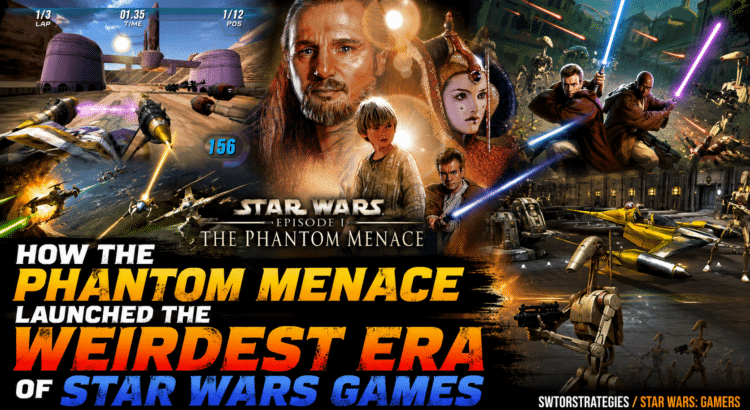
On May 19, 1999, Star Wars: Episode I – The Phantom Menace arrived in theaters and detonated like a merchandised thermal bomb. The film itself is still debated, memed, defended, roasted, rewatched, and quoted with suspicious enthusiasm. But for Star Wars gaming, The Phantom Menace did something far more important than introduce midi-chlorians and senate procedure to a confused generation. It opened the floodgates. The prequel era gave LucasArts a new toybox: podracers, Naboo starfighters, battle droids, Gungan battlefields, Sith assassins, Republic cruisers, bounty hunters, clone armies, Jedi starfighters, and planets that did not look like the same three Original Trilogy backdrops wearing different hats. And the games got weird. Gloriously weird. The Movie Was Only the Beginning The gaming push started immediately. Star Wars: Episode I – Racer launched for Nintendo 64 and Windows right as the film hit theaters, turning the podrace into one of the fastest and…
On This Day: Star Wars Episode I: Racer Made Podracing Feel Impossible Fast
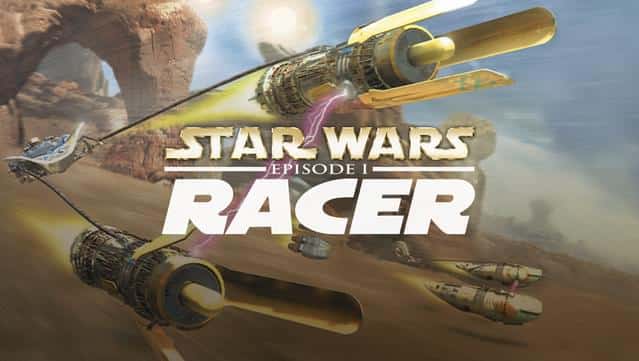
Before Star Wars racing became nostalgic, it was just fast enough to make your childhood reflexes file a formal complaint. On May 18, 1999, Star Wars: Episode I – Racer launched in North America for Nintendo 64 and Windows PC, arriving right alongside the Phantom Menace hype machine. It took one of the most kinetic sequences in the movie — the Boonta Eve Classic podrace — and turned it into a full racing game that somehow felt faster than the film itself. That was the magic trick. A lot of movie tie-in games in the late ‘90s felt like merchandise with a health bar. Episode I: Racer felt like LucasArts had looked at the podrace scene and said: “What if this was the whole game, but louder, faster, and more likely to make your palms sweat?” Podracing Finally Had Its Game The concept was wonderfully simple: choose a podracer, survive…
Star Wars: Return of the Jedi: Ewok Adventure — The Weird Lost Star Wars Game That Should Not Be This Interesting
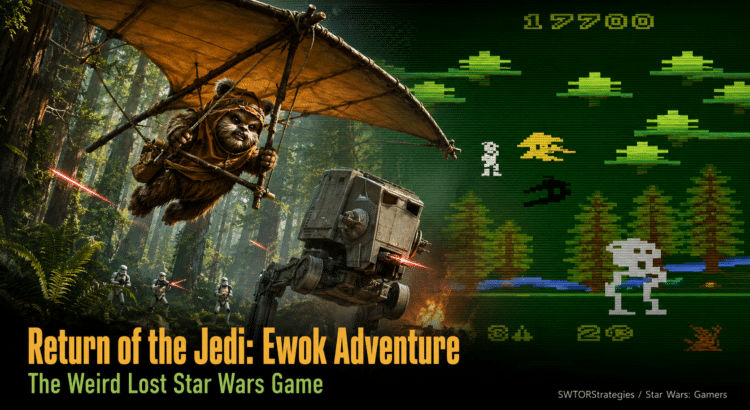
There are cancelled games that sound boring the second you describe them, and then there are cancelled games that make you stop, blink, and say: hang on, they were going to let us play as an Ewok in a hang glider? That is Star Wars: Return of the Jedi: Ewok Adventure. Planned in 1983 for the Atari 2600, developed by Atari Games for publication by Parker Brothers, Ewok Adventure never made it to store shelves, even though the game was reportedly completed. It later became one of those fascinating lost corners of Star Wars gaming history — the kind of title that sounds half ridiculous, half brilliant, and somehow ends up being both. As part of our Complete List of All Star Wars Games Ever Made (1979–Present), this is exactly the kind of side road worth stopping for. It also fits naturally beside our recent looks at The Empire Strikes…
Return of the Jedi: Death Star Battle (1983): When Star Wars Games Were Still Built Around One Big Scene
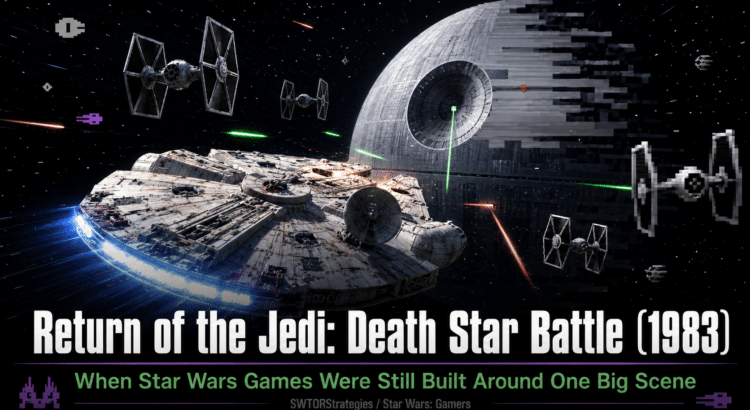
There is something very pure about early Star Wars games. They did not try to retell entire trilogies. They did not promise open worlds, branching morality, or a hundred hours of side content. Most of them just looked at one great movie moment and said, more or less, “Right, that bit. Let’s make that playable.” That is exactly what Return of the Jedi: Death Star Battle does. Released by Parker Brothers in 1983 for the Atari 2600, Atari 5200, and Atari 8-bit computers, and later bundled for the ZX Spectrum+ in 1985, it was one of the earliest Star Wars video games and the first one based on Return of the Jedi. And if The Empire Strikes Back (1982) showed how early home consoles could turn Hoth into a tiny, scrappy war, then Death Star Battle is the next logical step: same early-console ambition, same movie-to-game instinct, just with the…
The Empire Strikes Back (1982): The First Real Star Wars Game Was a Tiny Hoth War
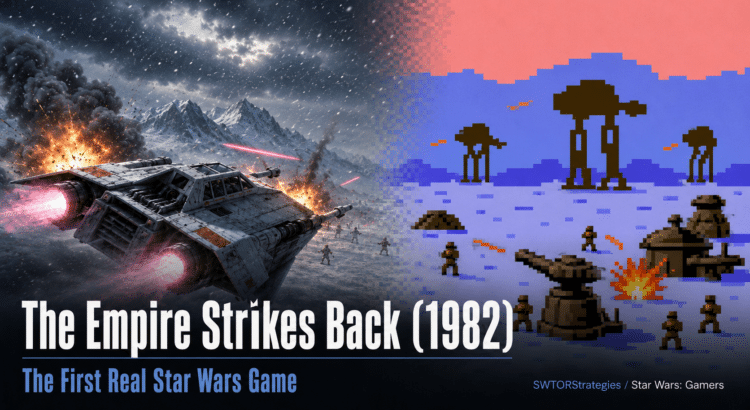
Before Star Wars games became sprawling RPGs, online sandboxes, or massive shooter franchises, they had to solve a much simpler problem: how do you squeeze one of the biggest sci-fi universes on Earth into a home console that could barely keep its own snowstorm together? The Empire Strikes Back for the Atari 2600 is one of the first answers to that question, and it is still a fascinating one. Released by Parker Brothers for the Atari 2600 in July 1982, with an Intellivision version following in 1983, the game is widely recognized as the first officially licensed Star Wars video game. It was programmed by Rex Bradford, based on the Battle of Hoth, and built around one very clean fantasy: you are in a snowspeeder, Imperial walkers are marching toward Echo Base, and your day is getting worse at speed. That makes it a perfect follow-up to Star Wars: The…
Star Wars Insider Is Over — And a Huge Piece of Fan History Goes With It
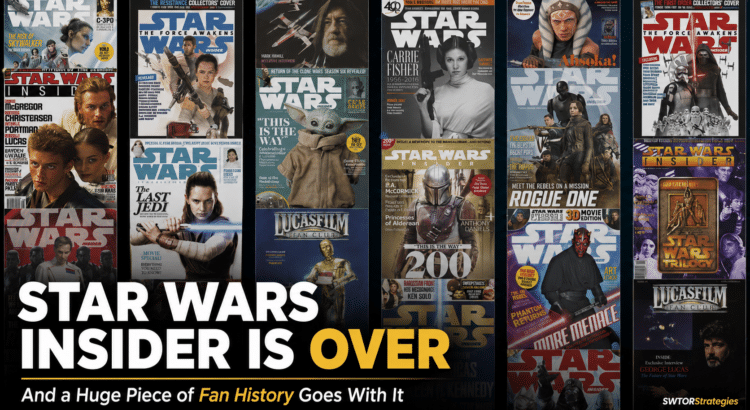
Before Star Wars news lived on YouTube thumbnails, Reddit threads, Discord servers, leaks accounts, and algorithmic chaos, there was Star Wars Insider. Now, after nearly four decades of official magazine history, that run has come to an end. The final issue, Star Wars Insider #237, is out now, closing a publication lineage that stretches back through Star Wars Insider, The Lucasfilm Fan Club Magazine, and the old-school fan-club era when getting official Star Wars news meant waiting for paper to arrive like some kind of ancient Jedi ritual. It sounds dramatic because it is dramatic. For a lot of readers, Insider was not just a magazine. It was the magazine. The Final Issue Has Arrived Lucasfilm announced last year that Star Wars Insider would launch its final issue in 2026, with issue #237 marking the end of the magazine’s current run with Titan. At the time, editor Christopher Cooper described…
On This Day: Revenge of the Sith Turned Star Wars’ Darkest Movie Into a Brutal Action Game
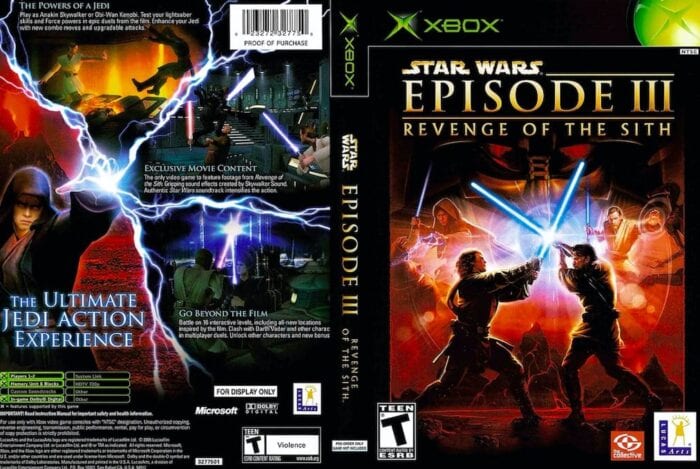
Before Revenge of the Sith reached theaters and emotionally ruined an entire generation of prequel kids, LucasArts let players swing the lightsaber themselves. On May 4, 2005, Star Wars: Episode III – Revenge of the Sith launched for PlayStation 2 in North America, according to MobyGames and GameFAQs listings, with the Game Boy Advance version also listed for the same date. The wider multi-platform rollout is often cited as May 5, but May the 4th gives the PS2 and GBA releases a perfect little Star Wars history stamp. A Movie Tie-In From the Last Great LucasArts Rush The early 2000s were a very different era for Star Wars games. LucasArts was still firing out titles with the confidence of a studio that owned half your childhood: Knights of the Old Republic, Republic Commando, Battlefront, Rogue Squadron, Jedi Knight, and then this — a full action-game adaptation of the final prequel…