
There are Star Wars games that feel elegant. Clean. Heroic. Cinematic.
And then there is Star Wars (1991), which looks at A New Hope and decides the best way to honor one of the most beloved films of all time is to make Luke Skywalker jump over bottomless pits, fight a surprising amount of hostile wildlife, and occasionally take on giant enemies that feel like they wandered in from a different genre entirely.
And somehow, against all odds, that version of Star Wars stuck.
Released in 1991 for the NES and later adapted for the Game Boy in 1992, this was one of the first really visible Star Wars console action games of the 1990s. It was published by JVC Musical Industries and developed by Beam Software, taking the broad story of A New Hope and reshaping it into a side-scrolling action-platformer that was much stranger, harder, and more game-y than the movie itself ever needed to be. That is also exactly why people still remember it.
As part of our Complete List of All Star Wars Games Ever Made (1979–Present), Star Wars (1991) feels like a genuine turning point. It also fits naturally into the Star Wars Games (1990–1999) era, because this is where the series starts looking less like a collection of 1980s curiosities and more like the rough draft of the modern Star Wars game identity. It is not polished in the way later 1990s classics would become. But it is ambitious, instantly recognizable, and full of the kind of chaotic confidence that defined a lot of early licensed console games.
This was not the first Star Wars game, but it felt like a new beginning
That is really the key to understanding why this one matters.
By 1991, Star Wars games already existed, of course. We had the early home-console experiments like The Empire Strikes Back (1982), the arcade punch of Star Wars: The Arcade Game (1983), and the strange little side roads like Return of the Jedi: Death Star Battle and the lost Ewok Adventure. But Star Wars (1991) feels different from those. It feels like a game made in the era when licensed titles on home consoles had started to get bigger, meaner, and more willing to remix the source material into “video game logic” whether the film asked for it or not.
That meant taking A New Hope and turning it into a sprawling action-platform game where Luke fights through Tatooine, the Sandcrawler, Mos Eisley, the Death Star, and eventually the final trench run. Along the way, the game also throws in enemies and bosses that were not exactly front-and-center in the movie, because early-1990s game designers were not especially interested in letting a perfectly good film sequence pass by without making it harder, stranger, or more full of things to shoot.
That design attitude is part of what makes the game feel so specific now. It is clearly Star Wars, but it is also clearly from that old-school era of “yes, we know this is not quite how it happened in the movie, but it makes for a better level.”
Honestly, fair enough.
A New Hope, filtered through NES action-game cruelty
If you only know the game by reputation, here is the shortest honest description:
It follows the story of A New Hope, but it behaves like a tough NES action-platformer first and a film adaptation second.
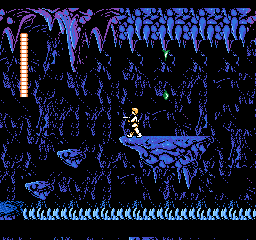
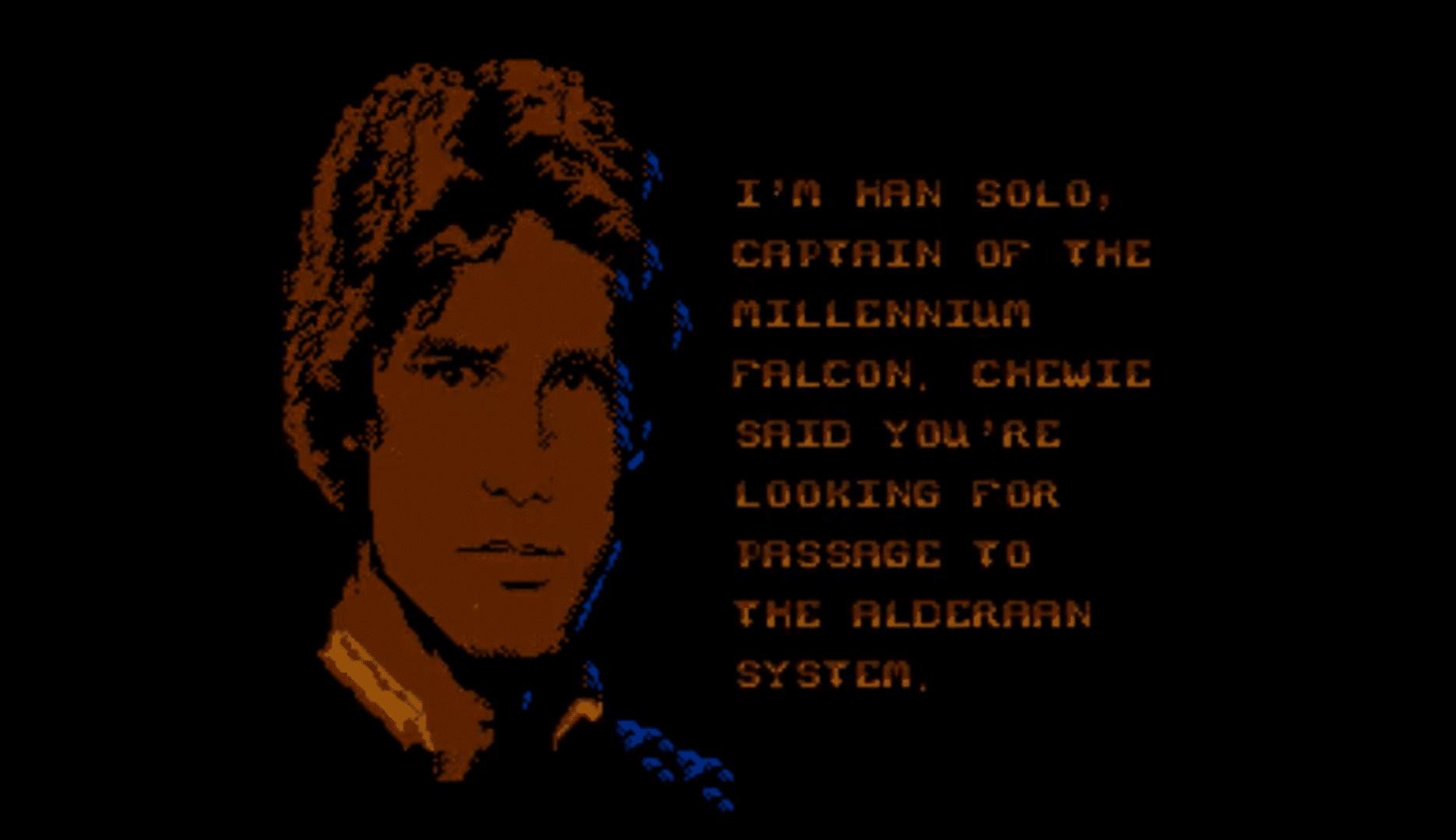
That means Luke starts out on Tatooine with a blaster, works his way through hostile environments, rescues allies, and gradually gains access to more of the Star Wars fantasy as the game goes on. You can later play as Han Solo and Princess Leia in certain sections, and Luke eventually upgrades to a lightsaber, because of course the designers were not going to make a Star Wars game in 1991 and leave that on the table.
What makes the game memorable is not just that it follows the film. It is the way it translates the film into classic NES rhythm. Enemy placement matters. Platforming matters. Pattern recognition matters. You are not strolling through a movie with polite sightseeing stops. You are surviving a very committed action game that assumes you came here to suffer a little.
And you probably did, whether you knew it or not.
The Tatooine section is where the weirdness starts immediately
One of the reasons Star Wars (1991) is still so easy to talk about is that it wastes very little time announcing what kind of adaptation it is.
This is not the soft, reverent version of Tatooine where Luke stares at twin suns and wonders about destiny. This is the version where Tatooine is a hostile obstacle course full of creatures, jumps, traps, and things that want you dead. Before long, you are dealing with Tusken Raiders, jawas, caves, sand, and the general sense that early Star Wars console games thought “desert hardship” should be expressed by making every few minutes of progress feel like a small legal victory.
That may sound like criticism, but it is also part of the game’s identity. The Tatooine levels establish the central tension of Star Wars (1991) really well: it wants to be recognizably cinematic, but it also wants to be a real NES game with actual bite. The result is often bizarre, occasionally unfair, but never especially bland.
There are worse fates for a licensed game.
Beam Software did not just port the movie, they translated it into “game”
This is where the game becomes a lot more interesting historically.
Beam Software, the Australian studio behind the game, had real experience adapting films and licenses into home-console form. That shows here. They were not trying to make a perfect scene-by-scene digital film. They were doing something more practical and more common for the period: translating Star Wars into the language of platform-action design. That meant expanding locations, inventing extra threats, stretching movie moments into full stages, and making sure there was enough challenge and enemy variety to sustain a full cartridge.
That is why the game often feels slightly surreal when compared directly to the film. It is not “wrong,” exactly. It is just operating by the rules of early-1990s console adaptation, where the source material was a framework, not a prison. If something needed more enemies, it got more enemies. If a set piece needed a boss, congratulations, now it has one. If Luke’s journey needed more caves, cliffs, and blaster fire than George Lucas strictly filmed, that was considered a perfectly reasonable day’s work.
And honestly, I kind of miss that attitude sometimes.
It was one of the first Star Wars games that really let the cast be playable heroes
Another thing Star Wars (1991) deserves credit for is how much it tries to spread the fantasy around.
Yes, Luke is still the core lead, but the game also lets you control Han Solo and Princess Leia during specific stages, which helps the adaptation feel broader and more like a full Star Wars ensemble piece than a single-character action game. That matters because it pushes the game a little closer to the idea of “play the movie” while still keeping its action-platform structure intact.
It also adds some variety to the feel of the campaign. Early Star Wars games often had one core fantasy and stayed there. This one is more willing to shift tone and perspective a bit as the story moves from Tatooine trouble to Death Star infiltration to the final assault. That may sound normal now, but it was a meaningful step away from the earlier “one iconic scene, loop it forever” school of Star Wars game design.
In other words, it is messy progress. Which is still progress.
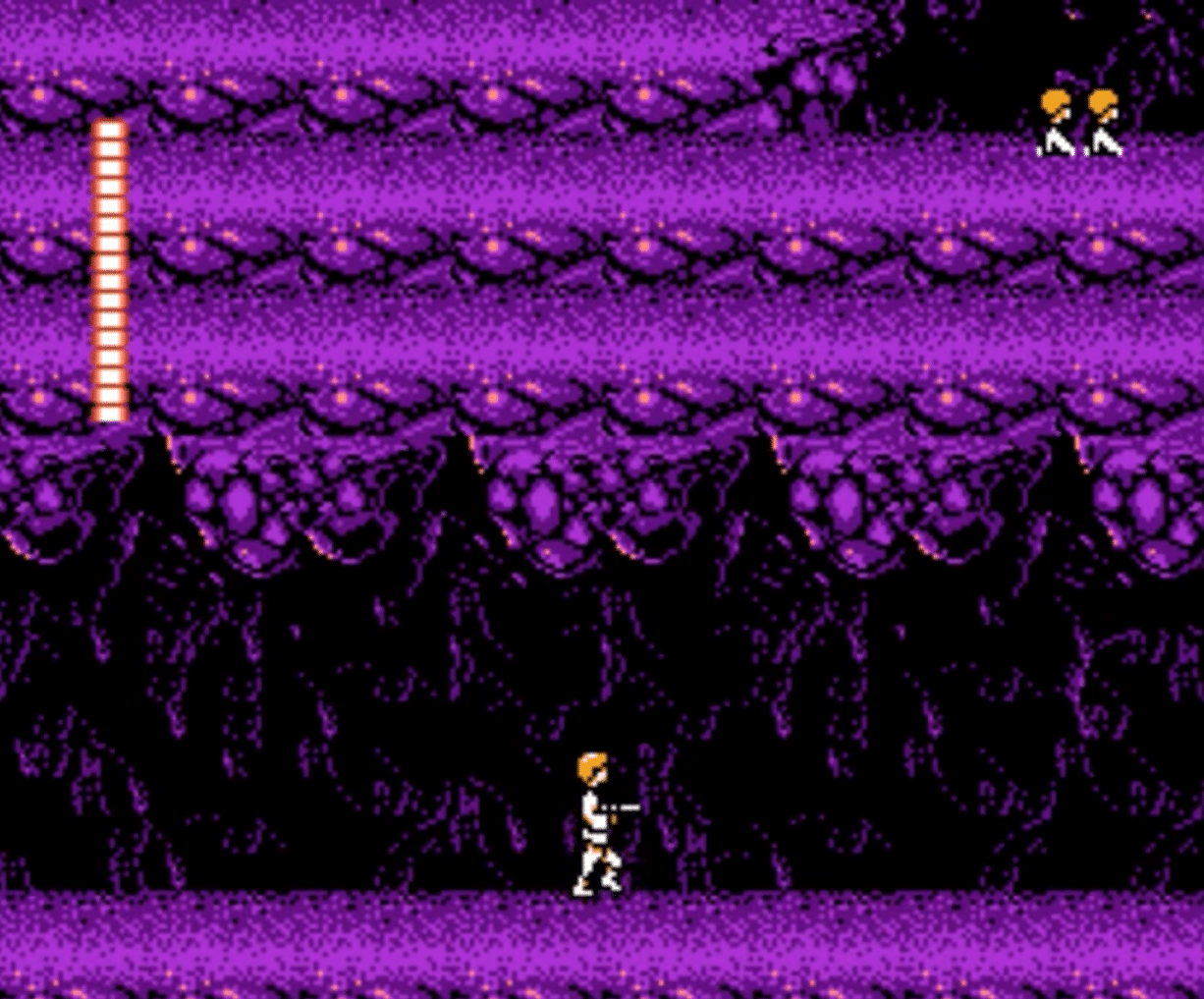
The difficulty is part legend, part real problem
Let us address the Bantha in the room.
Yes, the game is hard.
It has a real reputation for difficulty, and not entirely by accident. Levels can be punishing. Jumps can be awkward. Enemy pressure can be relentless. Some parts of the game absolutely carry that old-school console energy of “we rented you for the weekend and we are going to make sure you get your money’s worth through attrition.” Contemporary and retrospective commentary alike often highlight the game’s challenge as one of its defining traits.
But the interesting thing is that the difficulty is also part of why the game stayed memorable. If it had been an easy, smooth, forgettable adaptation, it might have vanished into the background like so many licensed titles did. Instead, it became one of those games people remember vividly because it fought back. You do not always love that in the moment, but decades later it gives the game texture.
It helps that the challenge is tied to a strong sense of place. You are not suffering in generic levels. You are suffering in Star Wars locations. That goes a long way.
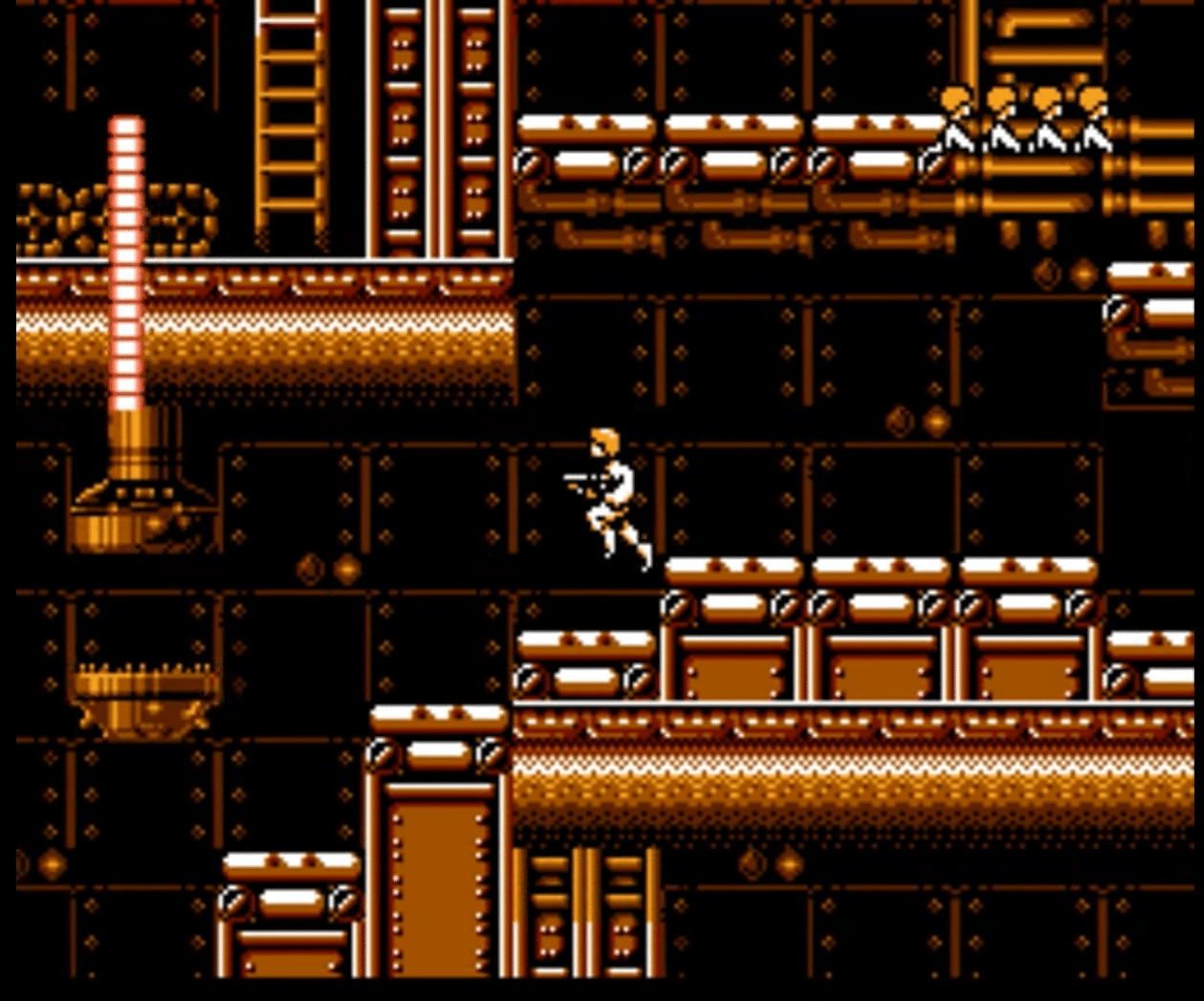
The Game Boy version took the same idea and squeezed it harder
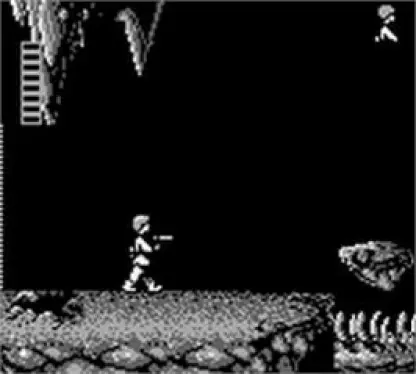
The Game Boy adaptation followed in 1992, and like a lot of Game Boy conversions from the era, it carried the same overall spirit while having to work within a smaller, harsher technical box. It is still recognizably the same Star Wars action game, but the visual scale, screen space, and overall feel are more compressed. That makes the handheld version interesting historically, even if the NES release is the one people usually mean when they talk about Star Wars (1991).
And really, that is part of the broader early-1990s Star Wars story too. The license was no longer confined to one machine type or one style of hardware ambition. It was spreading across consoles and handhelds, trying to find form in multiple places at once. Some versions were better fits than others, naturally, but the point is that Star Wars gaming was beginning to look like an actual ecosystem instead of a handful of isolated curiosities.
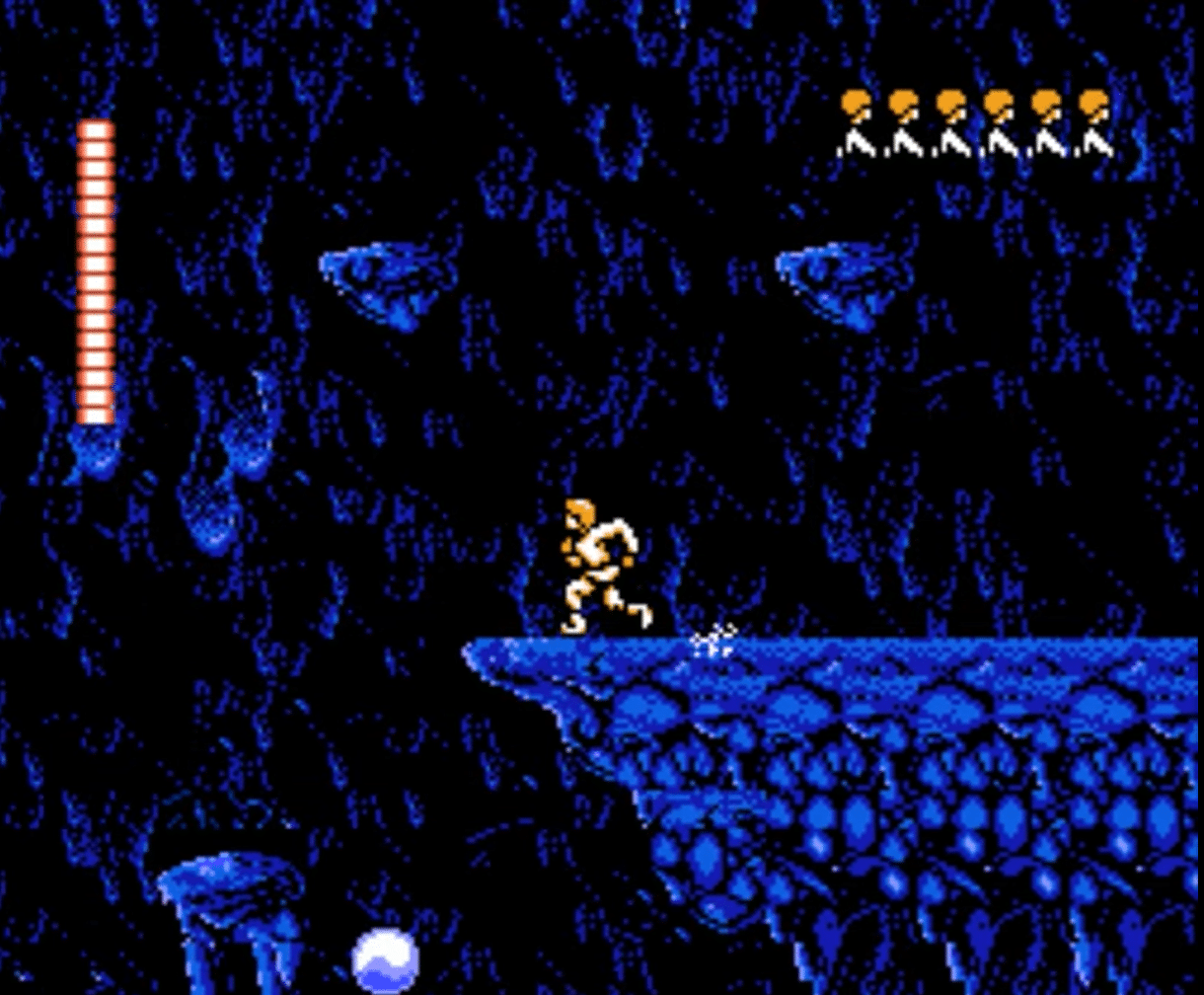
The music and visuals did a lot with what they had
For a game working on the NES and then Game Boy, Star Wars (1991) puts in real effort to feel like Star Wars.
The character sprites are recognizable. The environments clearly lean on familiar movie locations. The soundtrack pulls hard toward the identity of the films, even within the limits of cartridge-era hardware. It is not “cinematic” in the modern sense, obviously, but it is very good at making sure you know what it wants to be.
That matters more than it sounds. Early licensed games could fail simply by not feeling enough like the thing they were borrowing from. Star Wars (1991) does not have that problem. It may be strange, difficult, and occasionally mean, but it is unmistakably Star Wars. The worlds, the cast, the enemy types, the weapons, the atmosphere of moving through a dangerous version of the film’s events — all of that comes through.
And when a license is that strong, getting the tone right already puts you ahead of a lot of your peers.
Reception was solid, but the long-term legacy is more interesting than the reviews
At the time, the game was generally received as a notable and ambitious Star Wars console title, though not without criticism for its harsh difficulty and occasional clumsiness. Over time, its legacy became a little more interesting than any single review score. It turned into one of those early-1990s games that retro players remember with equal parts affection and mild trauma.
That is usually the sign of a game that mattered.
It may not have the smooth prestige of later LucasArts-era greats, but it helped establish the idea that Star Wars on consoles could be a serious, full-scale action game. It gave players an entire film-filtered adventure instead of one repeated scene. It let the cast be active participants. And it showed that the franchise could survive being translated into the very specific, very demanding grammar of early-1990s platform-action design.
Not elegantly, perhaps. But successfully enough.
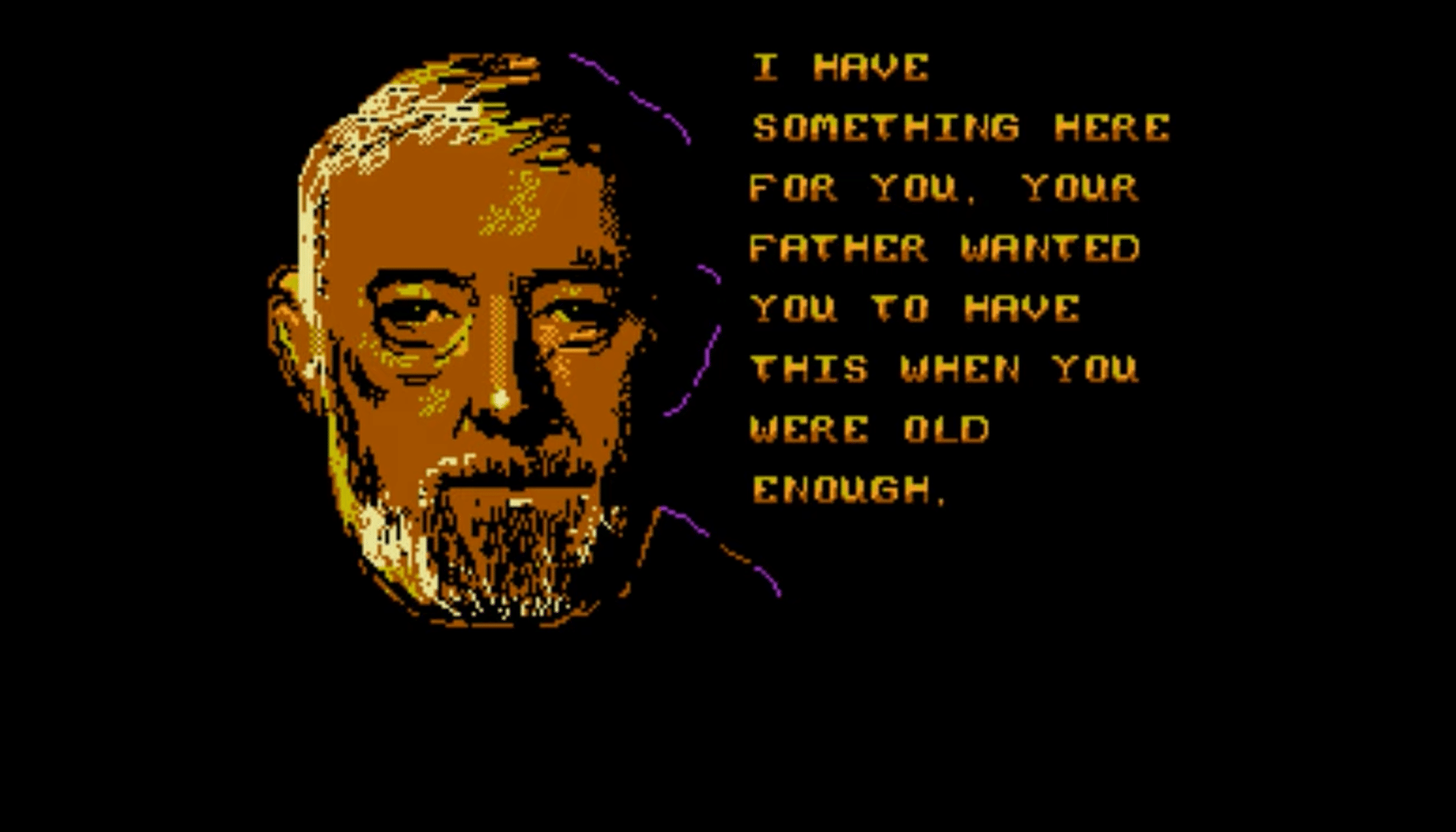
Why it matters in the archive
This is really where Star Wars (1991) earns its place.
After the strange little side roads of the 1980s, this is one of the games that starts steering Star Wars toward the identity it would carry through much of the 1990s: larger home releases, more ambitious film adaptations, tougher console action, and a willingness to let the license become a whole game rather than just a single scene. It is not the final form of that idea. But you can feel the direction changing.
That is why it makes sense after Droids (1988). Droids shows Star Wars wandering into odd animated-home-computer territory. Star Wars (1991) shows the license snapping back into a bigger, more mainstream console frame, but carrying some of that older weirdness with it. It is a bridge game in a different sense than Battle for Naboo, but it is still a bridge: between the scrappy experimental 1980s and the far more recognizable 1990s Star Wars game era that would follow.
The view from the desert cliff
There are better Star Wars games than Star Wars (1991).
There are smoother ones. Smarter ones. More polished ones. Less personally insulting ones.
But this game still matters because it has character. It is ambitious. It is stubborn. It is unmistakably from that era when licensed console games were willing to be a little brutal if that meant they could also be memorable. And memorable it absolutely is.
It took A New Hope, broke it into platform levels, shoved Luke through a frankly unreasonable number of hazards, and still somehow managed to help define what 1990s Star Wars gaming was going to feel like.
That is not graceful.
But it is real history.
FAQ
What is Star Wars (1991)?
It is a side-scrolling action-platform game based on A New Hope, released for the NES in 1991 and later for the Game Boy in 1992.
Who developed Star Wars (1991)?
The game was developed by Beam Software and published by JVC Musical Industries.
What platforms was Star Wars (1991) released on?
It launched on the NES in 1991 and came to the Game Boy in 1992.
Can you play as characters other than Luke?
Yes. The game also includes playable sections for Han Solo and Princess Leia.
Why do people remember Star Wars (1991) so clearly?
Mostly because it was one of the first big Star Wars console action games of the 1990s, and because it had a strong reputation for being difficult, strange, and memorable.
Why is Star Wars (1991) worth revisiting today?
Because it marks a real transition point in Star Wars gaming, bridging the odd experimentation of the 1980s and the much bigger console and PC Star Wars games that would define the 1990s.