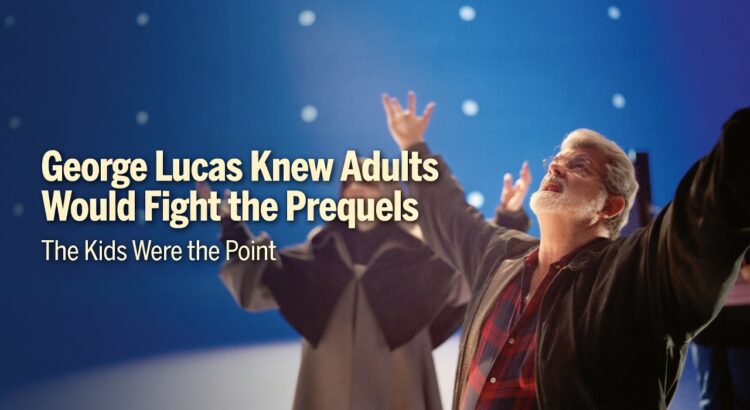
For years, the standard story about the Star Wars prequels was simple.
Older fans were angry. Critics were cruel. Jar Jar became a punchline. Hayden Christensen took far more heat than any young actor ever should. And the internet, still discovering its full power to be awful in public, decided that The Phantom Menace, Attack of the Clones, and Revenge of the Sith were a betrayal of “real” Star Wars.
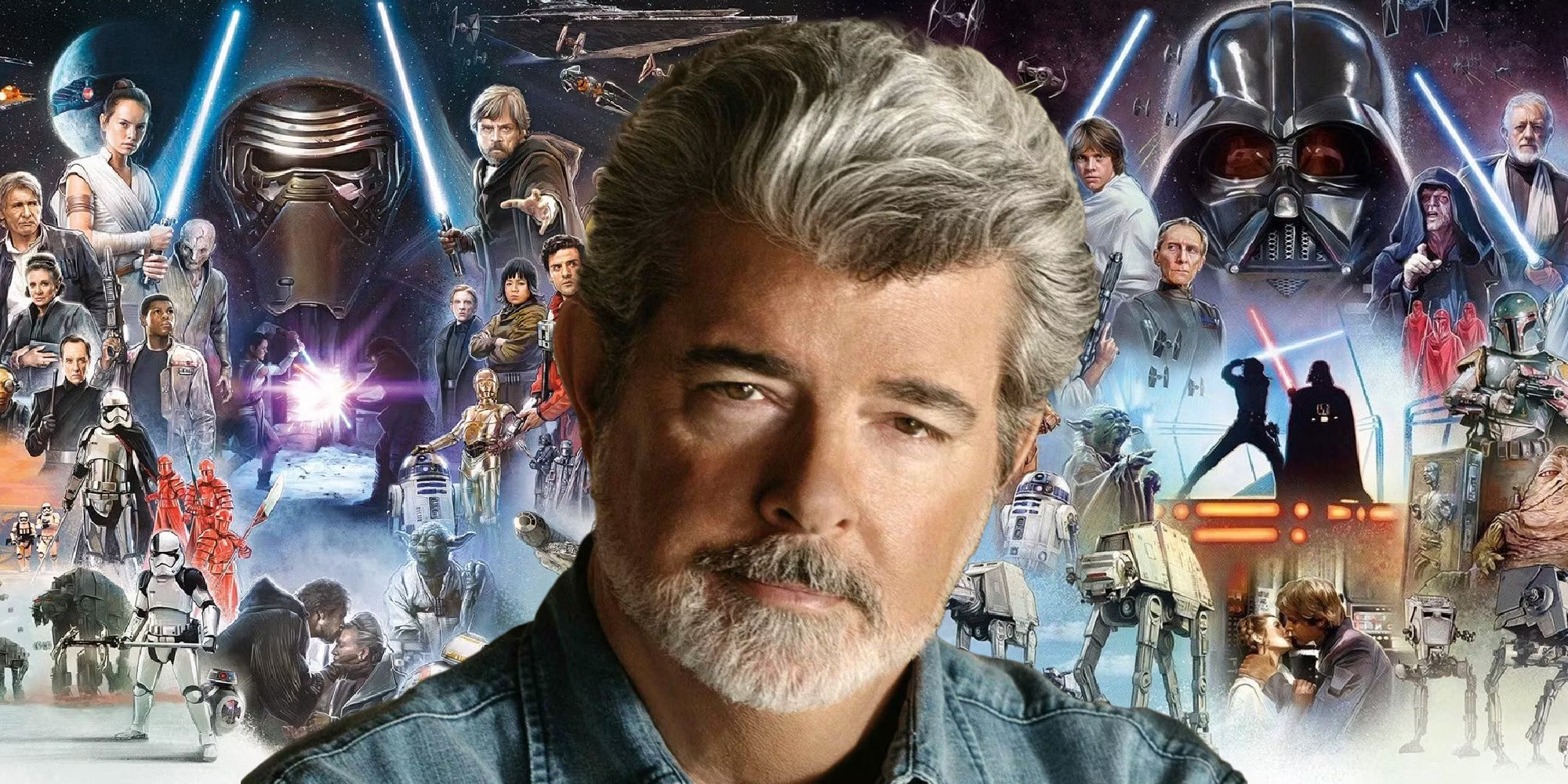
But according to Ian McDiarmid, George Lucas saw a lot of that coming.
Speaking at Spacecon 2026, McDiarmid said Lucas knew older fans from the original trilogy era might be picky about the prequels. But Lucas also had a different target in mind: kids.
Or, as McDiarmid recalled Lucas putting it, “if an 8-year-old is happy,” he had done his work.
That one line explains the prequel trilogy better than 25 years of shouting ever did.
The Prequels Were Never Built Only for 1977 Kids
The mistake many older fans made was assuming the prequels were designed to recreate how Star Wars felt to them in 1977, 1980, or 1983.
They weren’t.
The prequels were not just trying to serve nostalgia. They were building a new myth for a new generation: podracing, clone troopers, battle droids, Naboo starfighters, Darth Maul, Mace Windu, Coruscant, Jango Fett, General Grievous, Order 66, and one very bad political career path for Anakin Skywalker.
Adults saw awkward dialogue, digital effects, trade disputes, and a tone that did not always match the original trilogy.
Kids saw lightsabers, speed, monsters, Jedi at their peak, clones marching into legend, and the fall of a hero before they were old enough to fully understand how tragic that was.
Both reactions were real.
But only one of them was the audience Lucas seemed most worried about reaching.
The Kids Grew Up, and the Conversation Changed
Here is the funny part.
Those kids grew up.
The generation that watched The Phantom Menace on VHS, played with Darth Maul toys, raced podracers on Nintendo 64, collected clone troopers, and saw Revenge of the Sith as their big tragic Star Wars finale now dominates a huge part of the fandom.
That is why the prequel conversation changed.
It was not because the movies magically became different. It was because the people who loved them as children became old enough to talk back.
Suddenly, the prequels were not just “the hated trilogy.” They were the foundation for The Clone Wars, Ahsoka Tano, Anakin’s deeper tragedy, clone identity, Maul’s return, and half the emotional vocabulary of modern Star Wars.
They also shaped an enormous era of Star Wars gaming, from Episode I Racer and Battlefront to Republic Commando, The Clone Wars, and countless prequel-era adventures. You can see how big that legacy became in our Complete List of All Star Wars Games Ever Made.
Lucas Was Playing the Long Game
George Lucas has always been more stubborn than fashionable.
That is both his superpower and the reason Star Wars fans have spent decades yelling into the same asteroid field.
But McDiarmid’s comment makes the prequel era feel less like a filmmaker shocked by backlash and more like one who understood the trade-off. The adults might complain. The critics might sharpen knives. The older fans might compare every frame to a childhood memory that no movie could possibly recreate.
But if the kids were locked in?
If the 8-year-olds believed in it?
Then the work had done what Star Wars has always done best.
It created the next wave.
Every Star Wars Generation Gets Its Turn
The prequel backlash also says something uncomfortable about Star Wars fandom.
Every generation eventually becomes the “older fans.”
The original trilogy fans rejected the prequels. Some prequel kids rejected the sequels. Sequel kids will eventually grow up and defend their version of the galaxy against whatever comes next.
It is practically the Star Wars circle of life, only with more Reddit threads and worse lighting.
That does not mean every criticism is wrong. The prequels are messy. They are strange. They are clunky in places. They are also wildly imaginative, visually bold, politically weird, emotionally sincere, and much more durable than their loudest critics predicted.
Lucas did not make a trilogy designed only to comfort adults.
He made one that gave kids their own Star Wars.
And judging by how fiercely that generation now defends Naboo, clones, podracing, Maul, Mustafar, and tragic Anakin edits set to sad music?
Mission accomplished.
Author
Related Posts

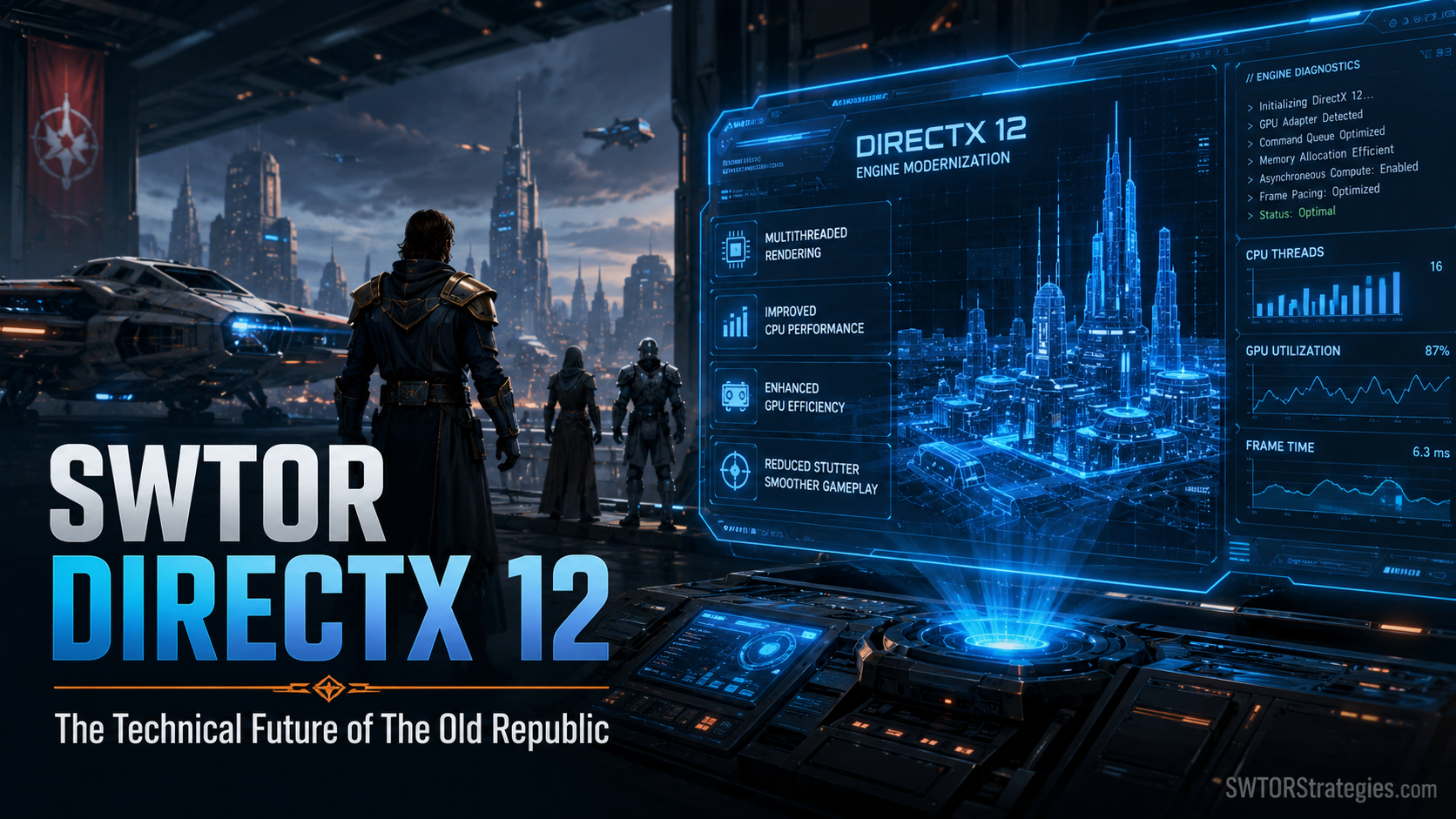
SWTOR’s Most Important Update Might Not Be Ryloth. It Might Be DirectX 12
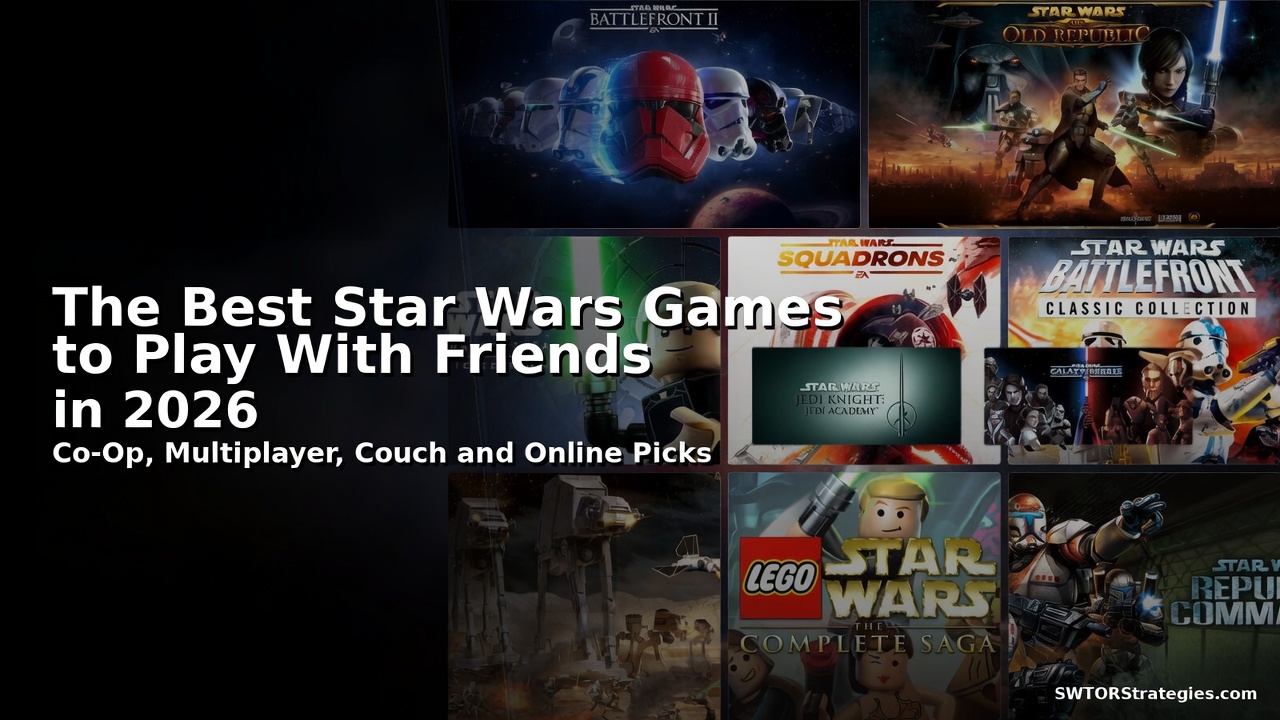
The Best Star Wars Games to Play With Friends in 2026: Co-Op, Multiplayer, Couch and Online Picks
Seedance 2.1 Guide
After Legacy Reborn, SWTOR’s Real Future Might Be Ryloth

Before SWTOR Launched, Blood of the Empire Made the Sith Empire Feel Dangerous
SWTOR’s Legacy Reborn Trailer Is Late, But It Still Makes the Sith Finale Look Dangerous
20 Years Ago, George Lucas Officially Became Science Fiction History
Shadows of the Empire Got a Sequel Before Star Wars Multimedia Was Normal