
Looking for the most replayable Star Wars games? Titles like Star Wars: The Old Republic, Knights of the Old Republic, and classic Battlefront II still stand out thanks to strong systems, player choice, and active communities.
Not all Star Wars games are created equal — and even fewer are worth replaying years after release.
Some titles are unforgettable the first time through, but lose their magic once the credits roll. Others keep pulling players back thanks to strong systems, player choice, mods, multiplayer modes, or ongoing content.
This ranking focuses on replayability above all else. Not nostalgia alone. Not review scores. But the games that still work in 2026 — and give you a reason to return.
What Makes a Star Wars Game Truly Replayable?
Before ranking the games, it’s worth defining what replayability actually means in practice.
A replayable Star Wars game typically offers at least one of the following:
- Meaningful player choice or branching outcomes
- Multiple gameplay modes (campaign, multiplayer, co-op, PvP)
- Progression systems that encourage long-term play
- Strong modding communities
- Live-service or regularly refreshed content
With that in mind, here’s how the Star Wars catalog stacks up.
This ranking focuses specifically on replayability — not review scores, not launch hype, but how often players return to each Star Wars game years later
1. Star Wars: The Old Republic
Replayability score: Extremely high
More than a decade after launch, Star Wars: The Old Republic remains the most replayable Star Wars game ever made — and it’s not even close.
Where most Star Wars games are built around a single, finite campaign, SWTOR is structured as a living system. Replayability isn’t just a side effect of content volume; it’s baked into the game’s design from the ground up.
🔁 Replayability Systems
SWTOR’s core replay value comes from how many fundamentally different ways the game can be experienced:
- Eight fully voiced class stories, each with unique companions, moral choices, and narrative arcs
- Light Side and Dark Side decision paths that meaningfully alter dialogue, outcomes, and character relationships
- Expansions that layer on top of previous choices, not reset them
- Endgame loops including Operations, PvP, Flashpoints, and Galactic Seasons
Crucially, SWTOR encourages replay not by forcing repetition, but by rewarding alternative perspectives. Playing the same expansion as a Sith Inquisitor feels very different from experiencing it as a Trooper or Imperial Agent.
🌍 Live Content & Longevity
Unlike single-player Star Wars games, SWTOR continues to evolve:
- Regular story updates
- Rotating in-game events
- Seasonal reward tracks
- Balance changes that refresh combat and class roles
This ongoing support means the game never truly “ends.” There is always another reason to return, whether it’s a new chapter, a limited-time event, or simply revisiting older content with a different character.
🎯 Who This Game Is Best For
- Players who value long-term progression
- Fans who enjoy story replay from different viewpoints
- MMO players looking for a Star Wars experience that grows over time
If replayability is your primary metric, SWTOR sets a bar that no other Star Wars title has yet matched.
2. Star Wars: Knights of the Old Republic
Replayability score: Very high
KOTOR may be over 20 years old, but it remains one of the most replayable single-player Star Wars games ever created — largely because it treats player choice as a core mechanic, not a narrative garnish.
Where many Star Wars games tell you a story, KOTOR asks you to define who you are within that story.
🔁 Replayability Systems
Replayability in KOTOR comes from its classic RPG foundations:
- Light Side vs Dark Side alignment that genuinely alters character development
- Multiple dialogue paths with different moral and narrative consequences
- Distinct character builds, encouraging different combat styles
- Companion relationships that change based on player behavior
While the main story beats remain consistent, how you experience them can vary significantly depending on your choices. A Dark Side run doesn’t just feel meaner — it feels structurally different in tone and motivation.
🔧 Mods & Modern Replays
On PC, KOTOR benefits enormously from its modding community:
- Restored content projects
- Visual upgrades
- Balance overhauls
- Quality-of-life improvements
These mods don’t just modernize the experience; they actively extend replay value, making return playthroughs smoother and more varied than the original release.
🎯 Who This Game Is Best For
- RPG fans who enjoy choice-driven storytelling
- Players interested in multiple moral playthroughs
- Star Wars fans who value narrative depth over spectacle
KOTOR may not be infinite like an MMO, but as a single-player experience, it remains one of the most replayable Star Wars games ever made — and still holds up remarkably well.
3. Star Wars Battlefront II (Classic)
Replayability score: Very high
Star Wars Battlefront II (2005) is a textbook example of how systems-driven design can create long-term replayability without relying on a traditional story campaign.
While many modern shooters depend on seasonal content or progression resets, Battlefront II thrives on pure gameplay variety.
🔁 Replayability Systems
The game’s replay value comes from flexible modes and emergent battles:
- Galactic Conquest, blending strategic decision-making with large-scale action
- Instant Action, allowing players to customize battles across eras, factions, and maps
- Seamless mix of ground combat and space battles
- Fully playable offline skirmishes, which remain engaging even years later
Each match feels different because outcomes aren’t scripted. Strategic choices — such as fleet placement, reinforcement timing, and hero usage — directly shape how battles unfold.
🔧 Mods & Community Longevity
On PC, Battlefront II (2005) effectively becomes a modding sandbox:
- Total conversion mods covering multiple Star Wars eras
- Improved AI and balance overhauls
- New maps, heroes, and factions
These community projects dramatically extend the game’s lifespan, making it one of the most replayable Star Wars titles even two decades after release.
🎯 Who This Game Is Best For
- Players who enjoy sandbox-style battles
- Fans who want offline Star Wars combat without live-service pressure
- Mod users looking for near-infinite variation
Battlefront II (2005) doesn’t need updates to stay relevant — its design does the work for it.ding new eras, factions, and heroes. Few Star Wars games offer this much freedom and scale.
4. Star Wars Jedi Knight: Jedi Academy
Replayability score: High
Jedi Academy remains one of the most replayable Star Wars games thanks to one key design decision: player freedom.
Instead of forcing a linear narrative, the game gives players control over their character’s development, moral direction, and approach to combat.
🔁 Replayability Systems
Replay value is driven by choice and experimentation:
- Custom character creation, including species and appearance
- Light Side and Dark Side paths, affecting abilities and story tone
- Open mission structure that allows different progression orders
- Deep lightsaber combat system that rewards mastery
Combat is skill-based rather than purely stat-driven, encouraging repeated playthroughs to experiment with different saber styles and Force power combinations.
🔧 Mods & Multiplayer Legacy
Jedi Academy has one of the largest and longest-lasting mod scenes in Star Wars gaming:
- Custom campaigns and missions
- New lightsaber styles and animations
- Expanded multiplayer modes and dueling communities
Even today, multiplayer servers and modded experiences keep the game alive, especially for players interested in mastering lightsaber combat.
🎯 Who This Game Is Best For
- Players who want deep lightsaber mechanics
- Mod enthusiasts and custom content fans
- Players who enjoy skill-based combat over cinematic storytelling
Few Star Wars games offer this level of mechanical freedom, which is why Jedi Academy remains highly replayable.
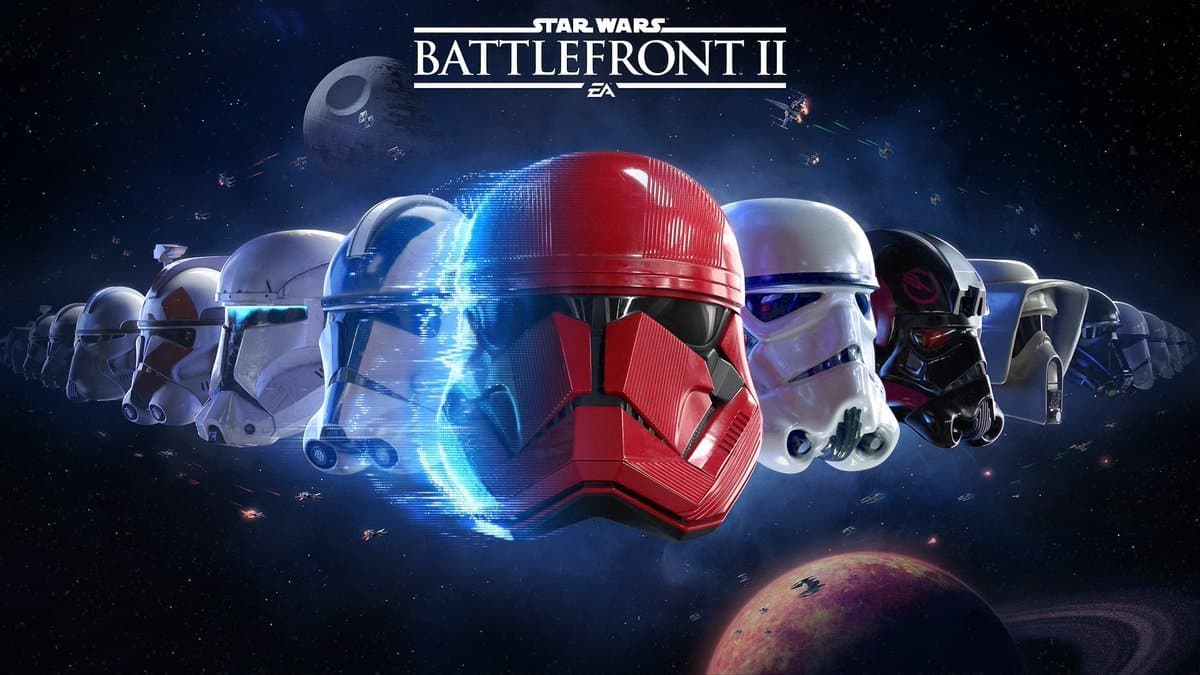
5. Star Wars: Battlefront II
RReplayability score: Moderate to high
EA’s Battlefront II (2017) had one of the most turbulent launches in Star Wars gaming history, but years later it has settled into something surprisingly replayable — especially for players willing to engage with its systems rather than its progression grind.
While official live support has ended, the game’s mode variety and community activity continue to give it life.
🔁 Replayability Systems
Replayability here comes primarily from multiplayer and co-op loops:
- Large-scale multiplayer modes like Galactic Assault and Supremacy
- Co-op missions that are ideal for casual, repeatable play
- Offline Instant Action modes added later in the game’s life
- Class-based combat encouraging role experimentation
Unlike the 2005 classic, replayability here is less about sandbox freedom and more about refinement and spectacle. Matches are tightly structured, visually polished, and easy to drop into.
🔧 Mods & Community Support
On PC, modders have significantly extended the game’s lifespan:
- Custom character skins and hero replacements
- Visual overhauls and lighting tweaks
- UI and immersion mods
These mods don’t radically change the core experience, but they do provide enough novelty to keep return sessions feeling fresh.
🎯 Who This Game Is Best For
- Players who want modern visuals and cinematic battles
- Fans of structured multiplayer gameplay
- Mod users looking to refresh an otherwise finished game
Battlefront II (2017) doesn’t evolve anymore — but it doesn’t need to. Its replayability comes from polish, not reinvention.
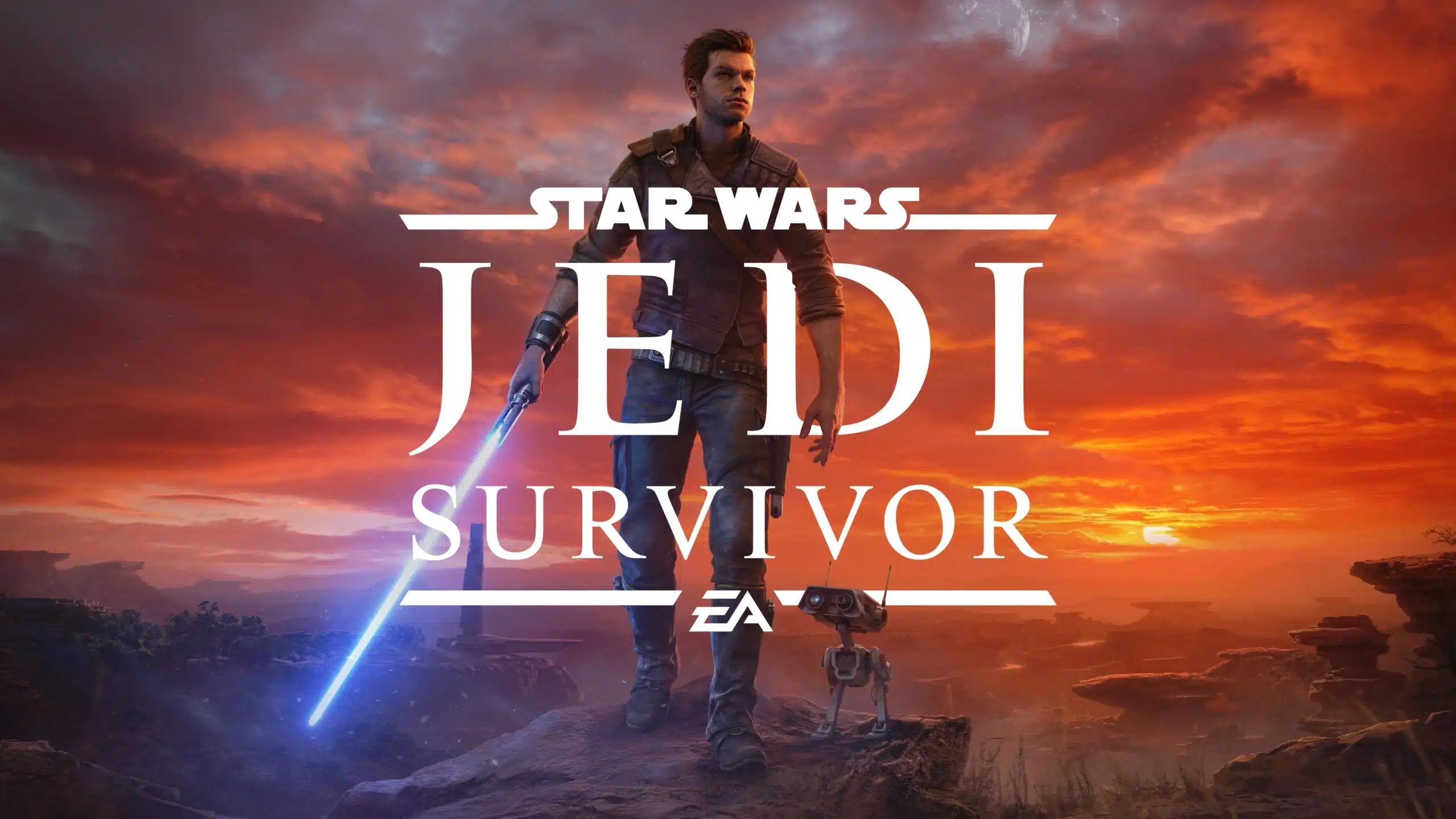
6. Star Wars Jedi: Survivor
Replayability score: Moderate
Jedi: Survivor is a stronger game than its predecessor in nearly every technical and mechanical sense — but replayability is not its primary strength.
This is a story-first experience, and its replay value reflects that design focus.
🔁 Replayability Systems
What replayability exists is largely optional:
- New Game Plus, allowing players to carry over abilities
- Expanded combat stances and skill trees
- Difficulty modifiers that change encounter dynamics
Exploration and combat feel excellent, but the narrative remains largely linear. Once the story is complete, there are fewer incentives to return unless players are seeking mastery or challenge runs.
⚖️ Strengths vs Replay Limitations
The game’s strengths also limit its replayability:
- Strong cinematic pacing discourages frequent replays
- Limited branching choices mean outcomes stay mostly the same
- No mod support comparable to older PC titles
That doesn’t make Jedi: Survivor less impressive — it simply defines its role in the Star Wars catalog.
🎯 Who This Game Is Best For
- Players who prioritize story and presentation
- Fans of action-adventure combat systems
- Those looking for a polished single playthrough with optional revisits
In replayability terms, Jedi: Survivor is excellent once — and solid a second time — but it isn’t built for endless returns.
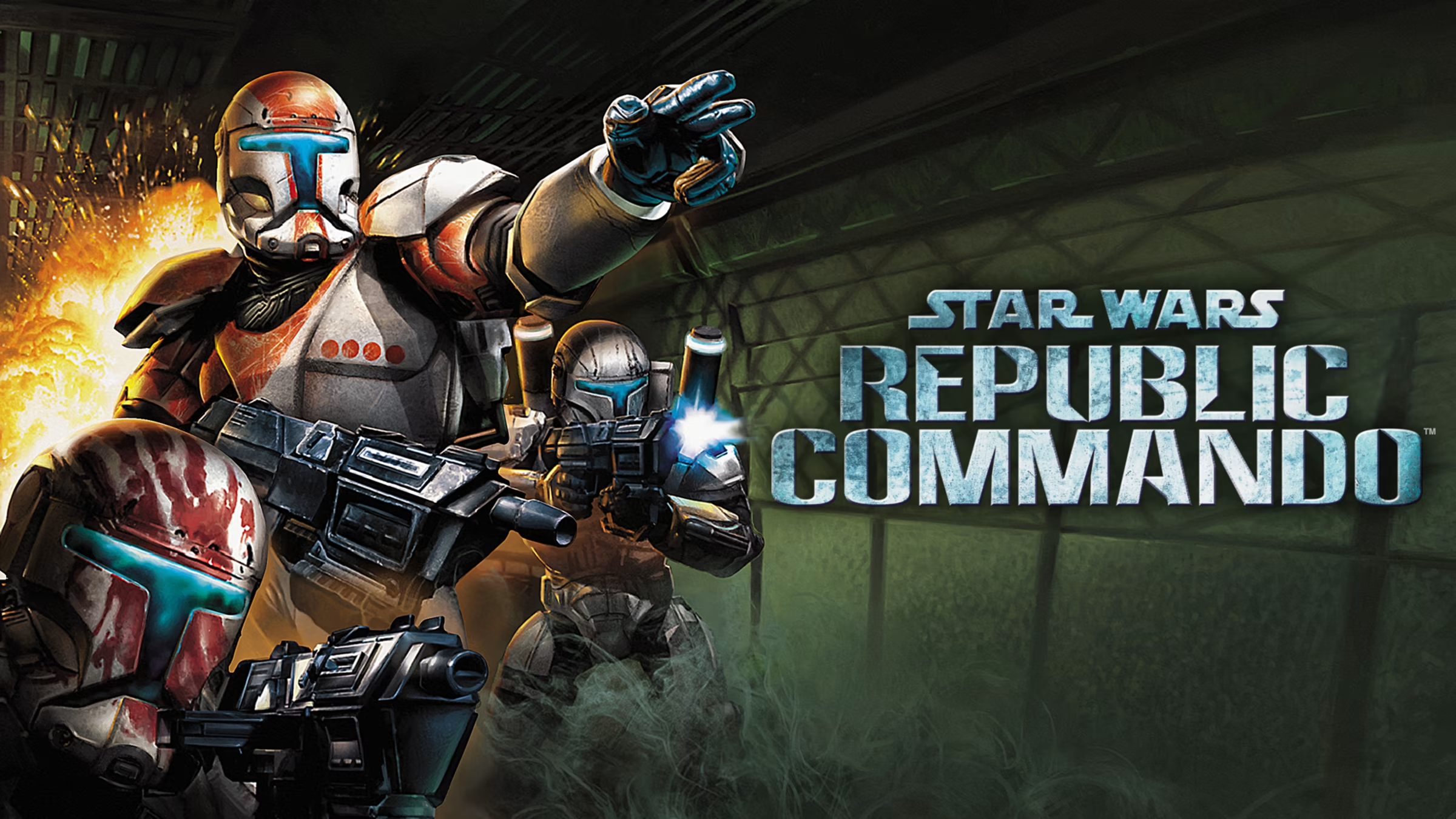
7. Star Wars: Republic Commando
Replayability score: Moderate
Star Wars: Republic Commando is often remembered as one of the most atmospheric Star Wars shooters ever made — and for good reason. Its squad-focused design, gritty tone, and close-up perspective on the Clone Wars still stand out today.
However, when viewed specifically through the lens of replayability, Republic Commando is more of a strong, finite experience than a game built for repeated long-term play.
🔁 Replayability Systems
The game’s replay value comes primarily from its tactical structure rather than systemic variety:
- Squad-based combat, where issuing orders to Delta Squad changes how encounters unfold
- Multiple approaches to combat situations, encouraging more careful or aggressive playstyles
- Difficulty settings that meaningfully alter pacing and challenge
That said, the overall structure remains linear. Missions follow a fixed sequence, and player choice does not significantly alter the story or level outcomes.
⚖️ Strengths vs Replay Limitations
Republic Commando excels at immersion, but that strength also limits replayability:
- The tightly scripted narrative feels best on the first playthrough
- Limited progression systems mean fewer incentives to experiment
- No branching paths or alternative endings
While revisiting the game can be enjoyable — especially on higher difficulties — most players experience roughly the same journey each time.
🎯 Who This Game Is Best For
- Players who enjoy tactical FPS gameplay
- Fans of Clone Wars–era storytelling
- Those looking for a focused, replayable campaign, not an endless loop
Republic Commando remains a classic Star Wars shooter, but its replayability lies in refining execution, not discovering new outcomes. It’s a game worth returning to occasionally — just not endlessly.
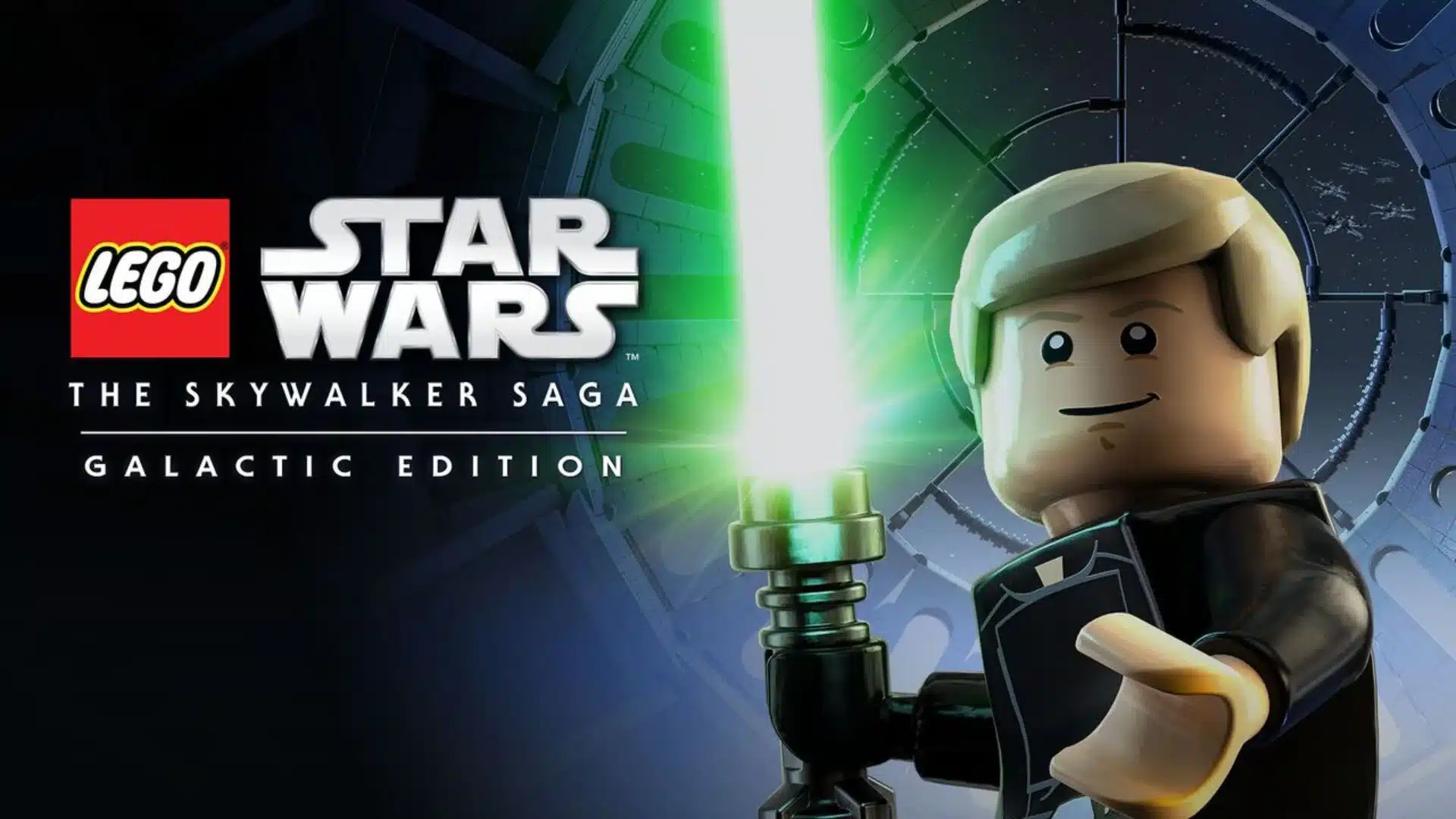
8. LEGO Star Wars: The Skywalker Saga
Replayability score: Moderate
LEGO Star Wars: The Skywalker Saga approaches replayability very differently from most Star Wars games. It isn’t built around difficulty, mastery, or long-term progression systems — instead, it leans heavily on completion, experimentation, and lighthearted repetition.
That design makes it one of the most replayed Star Wars games overall, even if it isn’t the deepest.
🔁 Replayability Systems
Replay value in The Skywalker Saga is driven by volume and flexibility rather than challenge:
- Playable coverage of all nine Skywalker saga films
- Hundreds of unlockable characters, ships, and abilities
- Open hub worlds that encourage revisiting locations
- Free Play mode that allows levels to be replayed with any character
Players are constantly incentivized to return, whether to collect Kyber Bricks, unlock new characters, or experiment with abilities that weren’t available on the first pass.
⚖️ Strengths vs Replay Limitations
The same elements that make the game accessible also cap its replay depth:
- Combat and puzzles are intentionally simple
- Player choice rarely changes outcomes
- Difficulty remains low even on repeat runs
As a result, replaying The Skywalker Saga feels less like discovering new systems and more like tidying up a massive toy box.
👨👩👧👦 Co-Op & Casual Replay Value
One area where replayability shines is co-op play:
- Drop-in, drop-out local co-op
- Ideal for relaxed, repeat sessions
- Strong appeal for families and casual players
This makes the game especially replayable in social settings, even if solo depth is limited.
🎯 Who This Game Is Best For
- Completionists who enjoy 100% runs
- Casual players and families
- Fans who want a low-pressure Star Wars experience
LEGO Star Wars: The Skywalker Saga may not offer infinite mechanical depth, but its sheer scale and approachability ensure that players keep coming back — just for very different reasons than the franchise’s more hardcore titles.
Single-Player vs Live Service: Why It Matters
One clear trend emerges when ranking replayability:
Systems outlast stories.
- Single-player games peak on first playthrough
- Live-service or system-driven games evolve over time
- Mods dramatically extend longevity
That’s why SWTOR, classic Battlefront II, and Jedi Academy consistently rank higher for replay value than cinematic, story-focused titles.
Honorable Mentions: Still Worth Playing, Just Not Built for Endless Replay
Not every great Star Wars game is designed for constant replay. Some excel as focused experiences, niche simulations, or strategy sandboxes that appeal strongly to specific audiences. These titles don’t top the replayability rankings — but they absolutely deserve recognition.
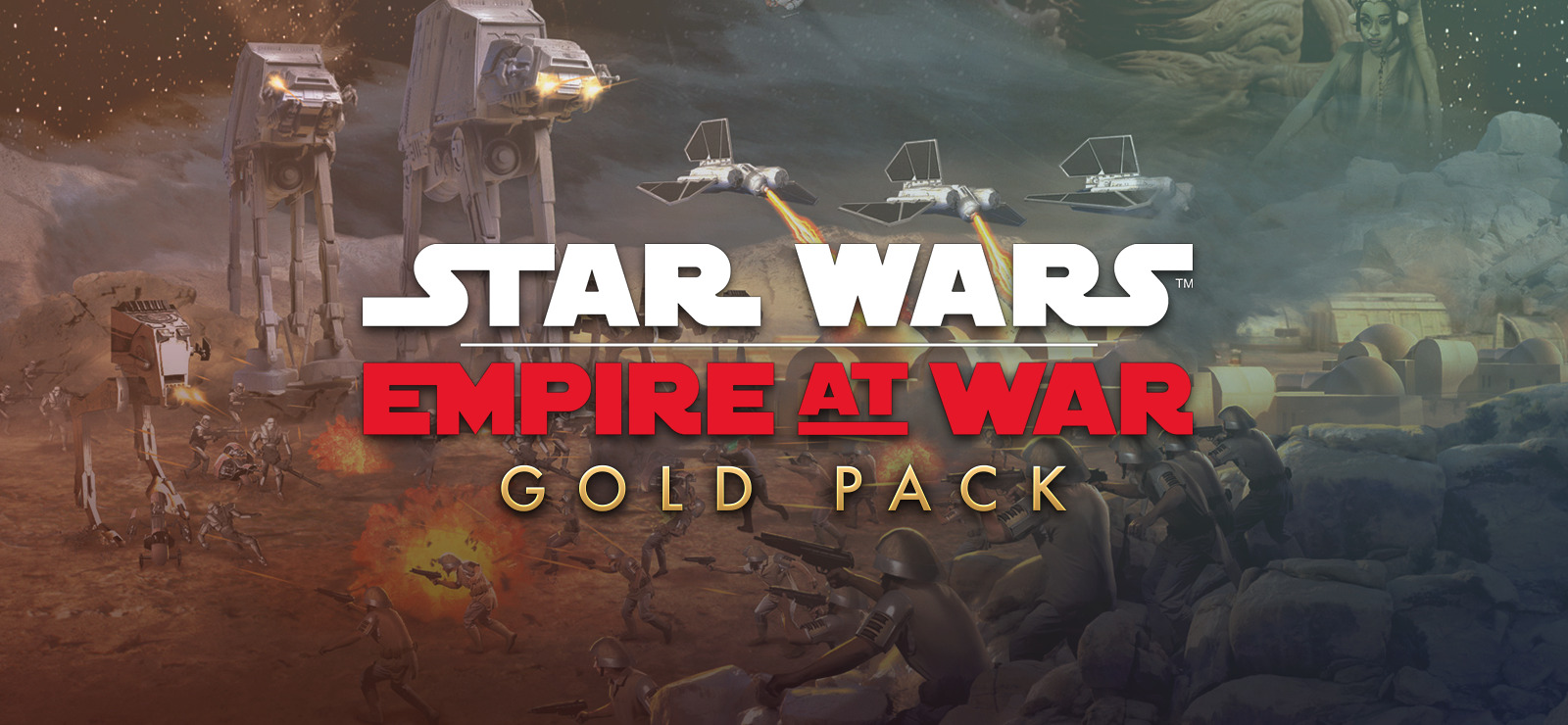
Star Wars: Empire at War
Replayability score: Moderate to high
Empire at War remains one of the most replayable Star Wars strategy games thanks to its sandbox galactic layer and an exceptionally active modding scene.
Why it still matters:
- Galactic Conquest campaigns encourage different strategic approaches
- Space and ground battles offer tactical variety
- Mods (especially total conversions) dramatically extend longevity
Without mods, replayability is solid but finite. With them, Empire at War becomes one of the deepest Star Wars sandboxes available.
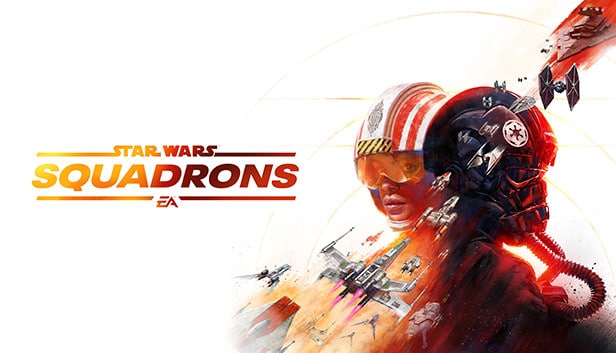
Star Wars: Squadrons
Replayability score: Moderate
Squadrons delivers one of the most authentic Star Wars flight experiences ever made — but it’s also a highly focused one.
What limits replayability:
- Short single-player campaign
- Small selection of ships and modes
- Multiplayer longevity depends heavily on player population
For fans of space combat, it’s worth revisiting. For everyone else, replay sessions tend to be occasional rather than habitual.
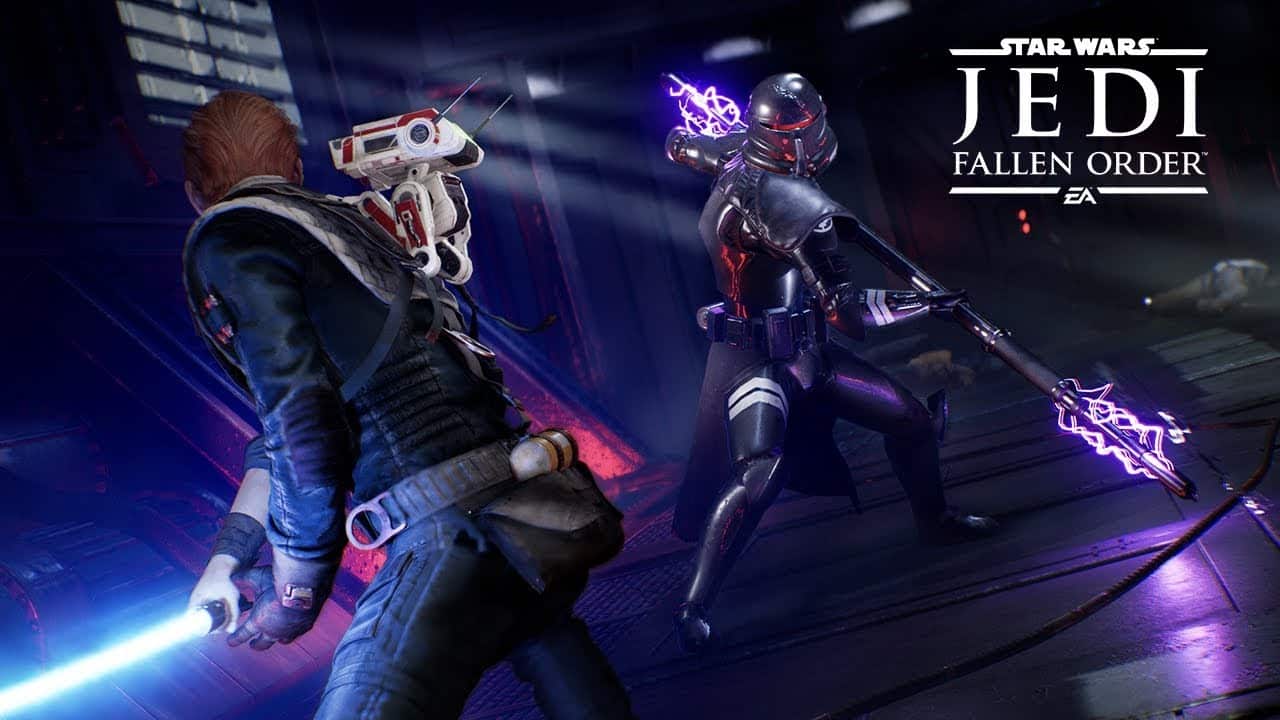
Star Wars Jedi: Fallen Order
Replayability score: Moderate
Fallen Order laid the groundwork for Jedi: Survivor and remains a strong narrative experience — but like its sequel, replayability is not its primary strength.
Why players return:
- New Game Plus
- Optional difficulty challenges
- Appreciation for level design and combat
Once the story is complete, however, there are limited incentives to return unless players are chasing mastery or nostalgia.
Star Wars: TIE Fighter
Replayability score: Niche but high
For a very specific audience, TIE Fighter remains endlessly replayable.
Why it endures:
- Mission-based design encourages replay for mastery
- Complex flight mechanics reward skill
- Timeless core gameplay for sim enthusiasts
Its appeal is narrow, but within that niche, replayability remains exceptionally strong.
Why These Games Didn’t Make the Top Rankings
Each of these titles offers something special — but they lack at least one of the key replayability drivers found in the top-ranked games:
- Limited modes
- Minimal branching choice
- Smaller or inactive communities
- Finite progression systems
They’re worth revisiting — just not endlessly.
How We Ranked Replayability in Star Wars Games
Replayability is one of the most misunderstood concepts in game rankings.
It’s often confused with length, difficulty, or nostalgia — but none of those reliably predict whether players actually return to a game years later. For this list, replayability is defined by real-world player behavior, not theoretical value.
Each game was evaluated using the following criteria.
🔁 Core Gameplay Systems
Does the game offer mechanics that naturally encourage repeated play?
We looked for:
- Multiple modes (campaign, multiplayer, skirmish, endgame)
- Build or class variety
- Meaningful difficulty scaling
- Systems that reward experimentation rather than repetition
Games built around flexible systems consistently outperform tightly scripted experiences over time.
🎭 Player Choice & Variability
Does the game meaningfully change based on player decisions?
This includes:
- Branching narrative paths
- Light Side / Dark Side consequences
- Different character roles or perspectives
- Playstyle diversity that alters encounters
If replaying the game produces essentially the same experience every time, its long-term replay value drops significantly.
🔧 Mods, Community & Longevity
Is the game extendable beyond its original release?
Community support matters more than raw content volume. Games with:
- Active mod scenes
- Custom content
- Long-lived multiplayer communities
…almost always age better than closed, static experiences.
📅 Relevance today
Finally, we evaluated whether the game is still practically playable and enjoyable today.
That means:
- Availability on modern platforms
- Functional servers or offline modes
- Community activity
- Compatibility with current hardware
Replayability only matters if players can realistically return to the game in the present day.
Single-Player vs Live Service: What Actually Lasts
One of the clearest patterns to emerge from this ranking is the difference between finite single-player experiences and system-driven or live-service games.
Both have value — but they age very differently.
🎬 Why Single-Player Games Peak Early
Story-driven Star Wars games often deliver their strongest impact on the first playthrough.
They excel at:
- Narrative momentum
- Cinematic presentation
- Carefully paced progression
But replayability tends to decline once:
- The story beats are known
- Player choices no longer surprise
- Systems stop evolving
This doesn’t make these games worse — it simply defines their lifespan. Titles like Jedi: Survivor or Fallen Order are exceptional experiences, but they are designed to be completed, not endlessly revisited.
🔄 Why System-Driven Games Endure
By contrast, games built around systems rather than scripts often improve with time.
These games emphasize:
- Repeatable loops
- Player agency
- Mechanical mastery
- Ongoing variation
Live-service titles and sandbox-style games remain replayable because the experience is shaped by the player, the community, or evolving content — not just the narrative.
This is why MMO, strategy, and mod-friendly games consistently dominate long-term replayability rankings.
🧠 Replayability Isn’t About Content — It’s About Structure
The biggest takeaway is this:
Replayability isn’t determined by how much content a game has — but by how that content is structured.
A 15-hour game with flexible systems can remain replayable for a decade.
A 40-hour cinematic experience may feel complete after one run.
The Star Wars games that last are the ones that trust players to create their own stories — not just consume a prewritten one.
Why This Matters for Players Today
Understanding this difference helps players choose the right Star Wars game for their time and expectations.
- Want something to live in for months or years?
→ System-driven or live-service games deliver best. - Want a powerful, self-contained experience?
→ Story-driven single-player titles still shine.
Replayability isn’t a value judgment — it’s a design outcome.
Best Star Wars Games by Category
Not every player is looking for the same Star Wars experience. Some want endless systems to sink into, others want a powerful story, and some just want to jump into iconic battles.
Based on replayability, systems depth, and how these games hold up today, here are the best Star Wars games by category.
🥇 Best Star Wars Game for Replayability Overall
Star Wars: The Old Republic
If replayability is the top priority, The Old Republic stands alone.
With multiple class stories, expansions, endgame loops, and ongoing updates, it offers more ways to replay Star Wars content than any other title in the franchise. No single-player game comes close in terms of longevity.
📖 Best Star Wars Game for Story
Star Wars: Knights of the Old Republic
KOTOR remains the benchmark for Star Wars storytelling in games.
Its moral choices, character arcs, and thematic depth make it the most memorable narrative experience — and one of the few Star Wars games where replaying the story still feels meaningful.
⚔️ Best Star Wars Game for Lightsaber Combat
Star Wars Jedi Knight: Jedi Academy
No other Star Wars game offers the same level of control and freedom in lightsaber combat.
Between customizable characters, Force power choices, and skill-based saber mechanics, Jedi Academy remains unmatched for players who want to truly master lightsaber gameplay.
🌌 Best Star Wars Game for Sandbox Battles
Star Wars Battlefront II
For large-scale Star Wars battles without rigid structure, the classic Battlefront II still delivers.
Galactic Conquest, Instant Action, and mod support allow players to create their own Star Wars war stories — again and again.
🎮 Best Star Wars Game for Multiplayer
Star Wars Battlefront II
While no longer supported with new content, Battlefront II (2017) remains the most accessible modern multiplayer Star Wars experience.
Its polished visuals, varied modes, and active community make it the best option for players who want cinematic online battles.
🧩 Best Star Wars Game for Mods
Star Wars: Empire at War
Thanks to its thriving mod scene, Empire at War effectively becomes several different games in one.
From total conversion mods to expanded galactic campaigns, it offers near-endless replayability for strategy-focused players willing to explore community content.
👨👩👧 Best Star Wars Game for Casual & Co-Op Play
LEGO Star Wars: The Skywalker Saga
Accessible, forgiving, and packed with content, The Skywalker Saga is ideal for relaxed replay sessions.
Its co-op focus and completion-driven structure make it especially appealing for families and casual players.
🚀 Best Star Wars Game for Space Combat Fans
Star Wars: Squadrons
For players who want cockpit-focused immersion, Squadrons delivers the most authentic Star Wars flight experience available.
While niche, its mechanical depth makes it highly replayable for dedicated space combat fans.
🧠 Best Star Wars Game to Start With
Star Wars Jedi: Fallen Order
For newcomers, Fallen Order remains the most approachable entry point.
It balances story, exploration, and combat without overwhelming players — making it an ideal first step into Star Wars gaming.
Final Verdict: Which Star Wars Games Are Still Worth Replaying ?
Star Wars games span more than three decades, and not all of them age equally well. Some titles shine brightly on the first playthrough and then fade. Others quietly endure, supported by flexible systems, active communities, or designs that encourage experimentation long after release.
Replayability isn’t about how new a game is — it’s about how well it supports return play.
Games like Star Wars: The Old Republic, Knights of the Old Republic, and the classic Battlefront II continue to thrive because they give players room to make choices, try new approaches, and shape their own experiences. Their systems create variety without relying on novelty.
By contrast, more cinematic, story-driven titles remain absolutely worth playing — but tend to be experiences you complete, not worlds you live in. That distinction matters when deciding where to invest your time today.
The good news is that Star Wars gaming offers something for every type of player:
- Long-term progression and evolving content
- Deep role-playing and moral choice
- Sandbox battles and mod-driven longevity
- Casual co-op fun and accessible entry points
The “best” Star Wars game ultimately depends on what you want from it — but the most replayable ones all share a common trait: they trust the player to create their own story.
As new Star Wars projects are announced and older classics continue to find new audiences, replayability will remain the deciding factor that separates games we remember from games we return to.titles that understand that continue to thrive long after launch — and remain worth your time today.
Stay connected with the galaxy’s latest updates!
Follow us on X, Facebook, Instagram, or Pinterest for exclusive content, mod guides, Star Wars gaming news, and more. Your support helps keep the Holonet alive—one click at a time
Author

Related Posts

Ahsoka Season 2 Release Date: Why Disney Still Hasn’t Announced One
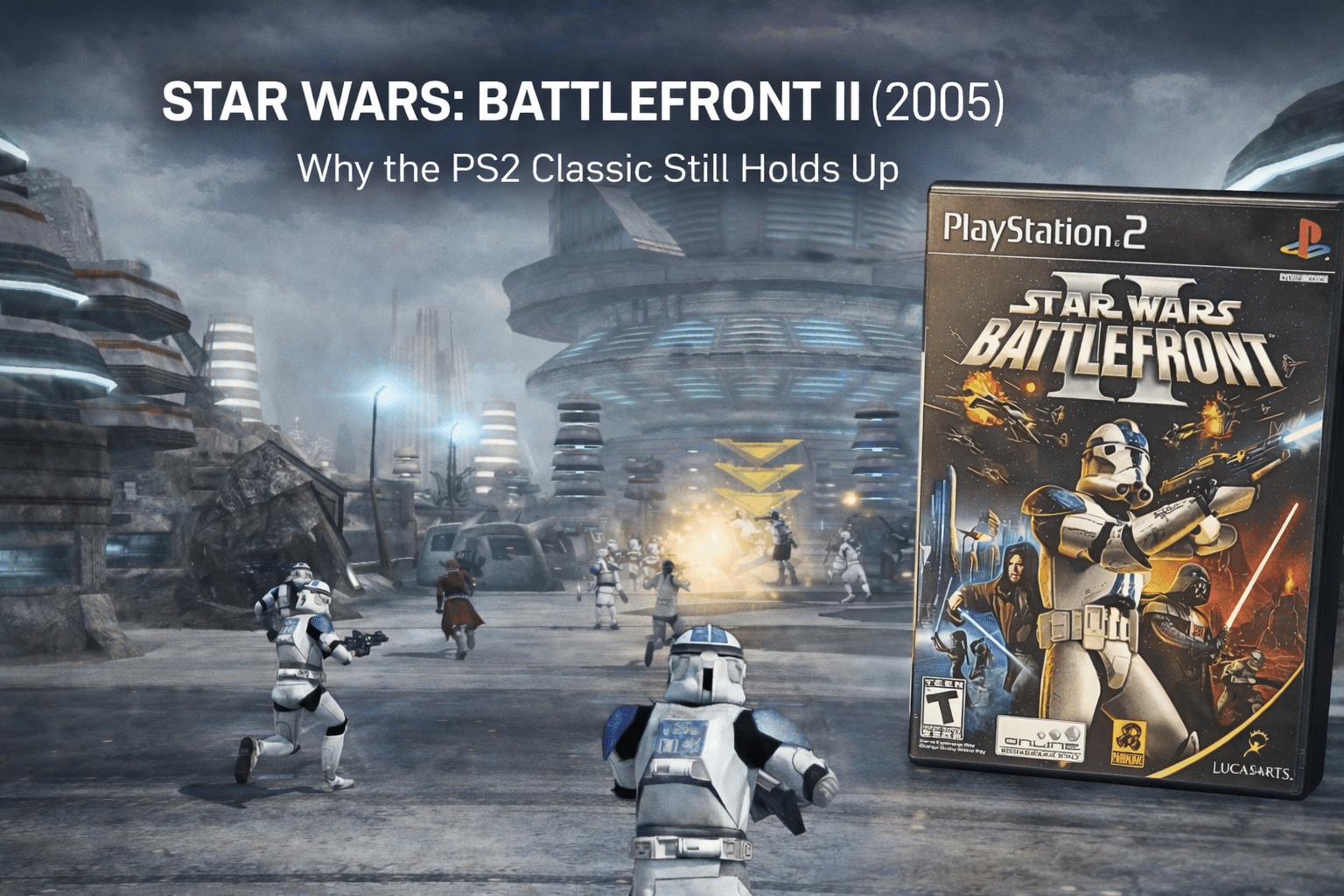
Did You Know? Star Wars: Battlefront II (2005) on PS2 Was Bigger, Bolder, and Smarter Than You Remember
New Star Wars: The Old Republic Track “Betrayal and Despair” Arrives-
Who Is Everest Hobson Lucas? Everything to Know About George Lucas and Mellody Hobson’s Daughter