
There are some Star Wars game titles that do not need much explanation.
Say Knights of the Old Republic near a certain kind of player and you can almost hear the dialogue wheels opening in their soul.
The moral choices. The companions. The ancient Sith drama. The feeling that Star Wars could be a proper RPG without needing to chase the movies every five minutes.
That is why Star Wars: Fate of the Old Republic is immediately interesting.
Not because we have seen gameplay.
We have not.
Not because it has a release date.
It does not.
But because Casey Hudson, game director of the original Knights of the Old Republic and the Mass Effect trilogy, is back working with Lucasfilm Games on a new single-player, narrative-driven Star Wars RPG through Arcanaut Studios.
That alone is enough to make the old KOTOR part of the brain sit up like someone just whispered “Dantooine.”
This Is Not KOTOR 3, and That Might Be Smart
The first thing to understand is that Fate of the Old Republic is being positioned as a spiritual successor to KOTOR, not a direct sequel.
That distinction matters.
A direct KOTOR 3 would arrive under a mountain of impossible expectations. Every old argument would wake up. Every companion would be measured against memory. Every twist would have to stand in the shadow of one of Star Wars gaming’s most famous reveals.
A spiritual successor has more breathing room.
It can borrow the important DNA: choice, consequence, character-driven storytelling, light and dark temptation, ancient Force conflict, and the feeling that your decisions actually matter.
But it does not have to dig up the exact same corpse, put a robe on it, and ask it to perform nostalgia on command.
That is probably healthy.
Star Wars has enough ghosts already.
The KOTOR Fantasy Was Never Just Turn-Based Combat
People sometimes talk about KOTOR like its magic was only mechanical.
It was not.
Yes, the RPG systems mattered. Builds mattered. Party composition mattered. Combat mattered.
But the real fantasy was identity.
Who are you when the galaxy gives you power?
Who do you become when the game actually lets you choose?
That is the part Fate of the Old Republic needs to understand if it wants to earn the comparison.
The KOTOR fantasy is not simply “old republic setting plus lightsaber plus stat screen.”
It is companions who judge you.
Choices that feel personal.
Dark side temptation that is not just “be rude for points.”
A galaxy where the past is dangerous, the Jedi are not always wise, the Sith are not always simple, and your character feels like more than a weapon with dialogue options.
That is the pulse people still want to feel.
Casey Hudson Makes This More Than Just Another Announcement
The name attached to this project matters because Hudson’s history is unusually relevant.
KOTOR helped prove that Star Wars could thrive as a deep RPG. Mass Effect then took many of those ideas about companions, choices, cinematic storytelling, and player identity into a massive original sci-fi universe.
So when Hudson talks about building a new Star Wars RPG around choice, destiny, and the struggle between light and dark, the pitch lands differently.
It is not just marketing fog.
It sounds like someone returning to unfinished emotional territory.
That does not guarantee success. Nothing does. Plenty of promising Star Wars games have been announced with shiny trailers and later vanished into the same mysterious cupboard where publishers keep “more news soon.”
But Fate of the Old Republic has one advantage most Star Wars RPG pitches do not:
It understands exactly which nostalgia button it is pressing.
A Smaller, Sharper Star Wars RPG Could Be Exactly Right
One of the more interesting pieces of discussion around the project is Hudson’s apparent interest in more focused games rather than endless 100-hour marathons.
That could be good news.
Not every RPG needs to be a galactic buffet where players spend 17 hours clearing map icons before remembering someone said the fate of civilization was urgent.
A great Star Wars RPG does not need to be huge for the sake of being huge.
It needs strong companions, meaningful choices, memorable locations, moral pressure, and enough freedom for players to feel like the story belongs to them.
A tighter, more replayable Star Wars RPG with real consequences could honestly be more exciting than another sprawling open-world checklist dressed in robes.
Especially if the goal is to recapture what made KOTOR powerful in the first place.
The Old Republic Still Has Room to Breathe
The Old Republic era remains one of Star Wars gaming’s richest playgrounds.
It has distance from the films. It has mythic Jedi and Sith history. It has enough flexibility to tell big stories without bumping into Luke, Vader, Rey, or whatever canon traffic cone happens to be standing in the middle of the road.
That is why the era has supported KOTOR, KOTOR II, SWTOR, comics, novels, and years of fan debate.
It feels ancient, but playable.
Familiar, but not trapped.
We have spent years tracking that broader playable Star Wars history in our Complete List of All Star Wars Games Ever Made, and the Old Republic keeps standing out because it gives developers something rare in Star Wars:
Space.
Not outer space.
Creative space.
Hope Is Good. Hype Should Keep Its Helmet On.
The sensible position right now is cautious optimism.
Fate of the Old Republic sounds exciting. The pedigree is strong. The premise is strong. The words “single-player narrative-driven Star Wars RPG” are basically catnip for anyone who still has emotional damage from waiting for KOTOR follow-ups.
But we still need gameplay.
We still need systems.
We still need companions, planets, choices, combat, tone, scope, and proof that the thing actually feels like a game rather than a beautiful promise.
Star Wars gaming has taught us many things, and one of them is this:
Never pre-order a dream.
But it is fine to notice when one looks interesting.
The KOTOR Dream Refuses to Die
That is what makes Fate of the Old Republic worth watching.
It proves that the KOTOR fantasy is not some dusty relic from 2003.
Players still want it.
They still want Star Wars RPGs where choices matter, companions matter, identity matters, and the Force feels like a moral problem instead of a special effects department.
They still want the galaxy to ask who they are, not just hand them a lightsaber and point toward the next corridor.
Maybe Fate of the Old Republic will deliver that.
Maybe it will not.
But the fact that this project exists at all says something important:
The KOTOR dream still has a pulse.
And somewhere, deep in the ancient machinery of Star Wars gaming nostalgia, a dialogue option just lit up again.
Author

Related Posts

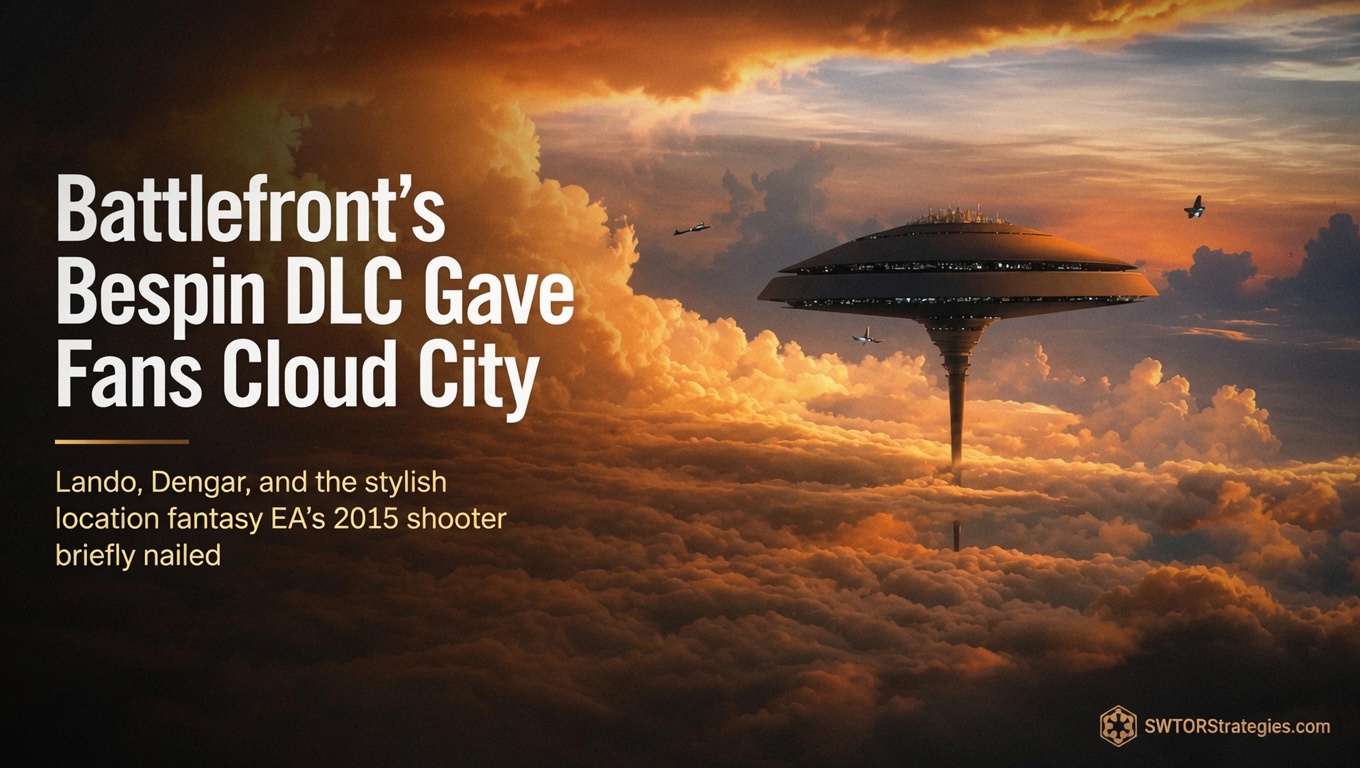
Battlefront’s Bespin DLC Gave Star Wars Fans the Cloud City Fantasy EA Later Walked Away From
Star Wars Galaxies and SWTOR Solved the Same Fantasy in Completely Different Ways-
Star Wars Galaxies Was the MMO That Let Players Live in the Galaxy Before SWTOR 
Best Animate Photo AI and AI Talking Photo Tools of 2026

-
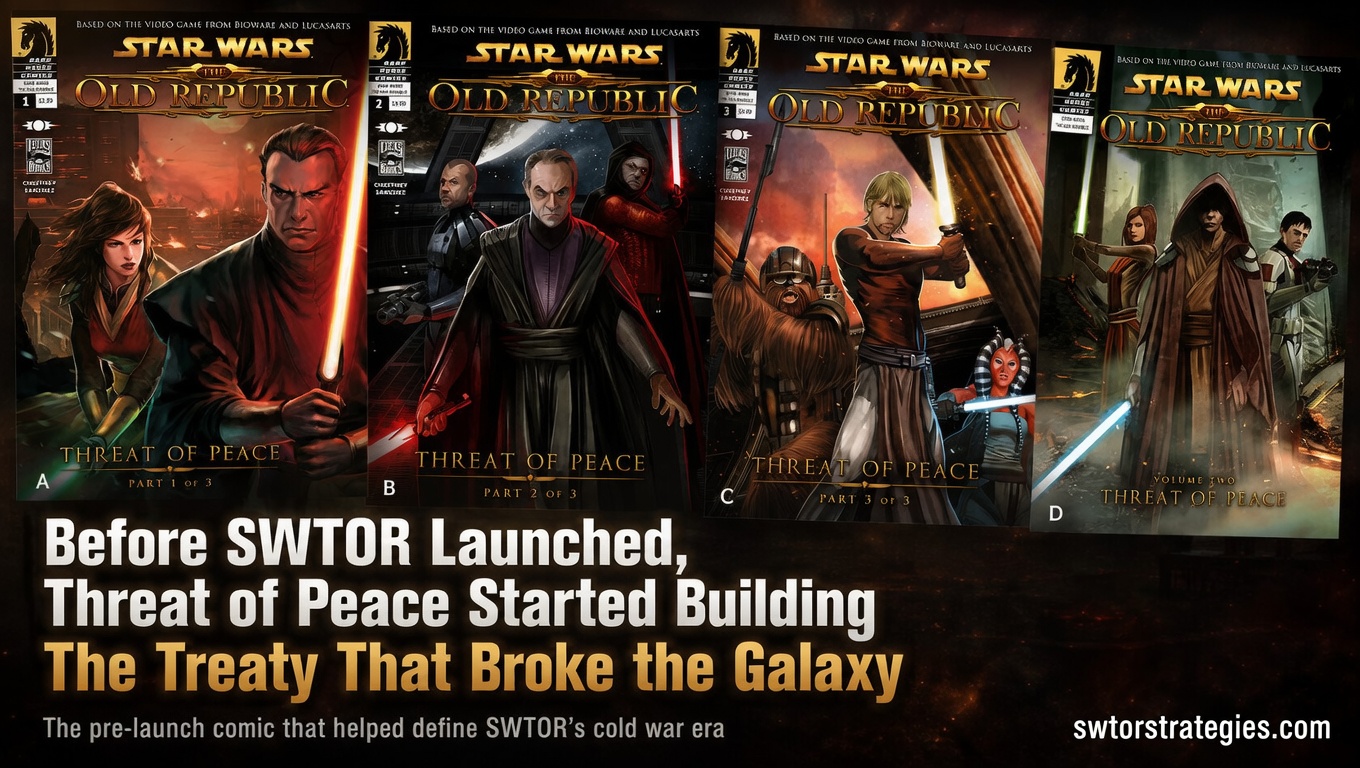
Before SWTOR Launched, Threat of Peace Started Building the Treaty That Broke the Galaxy 
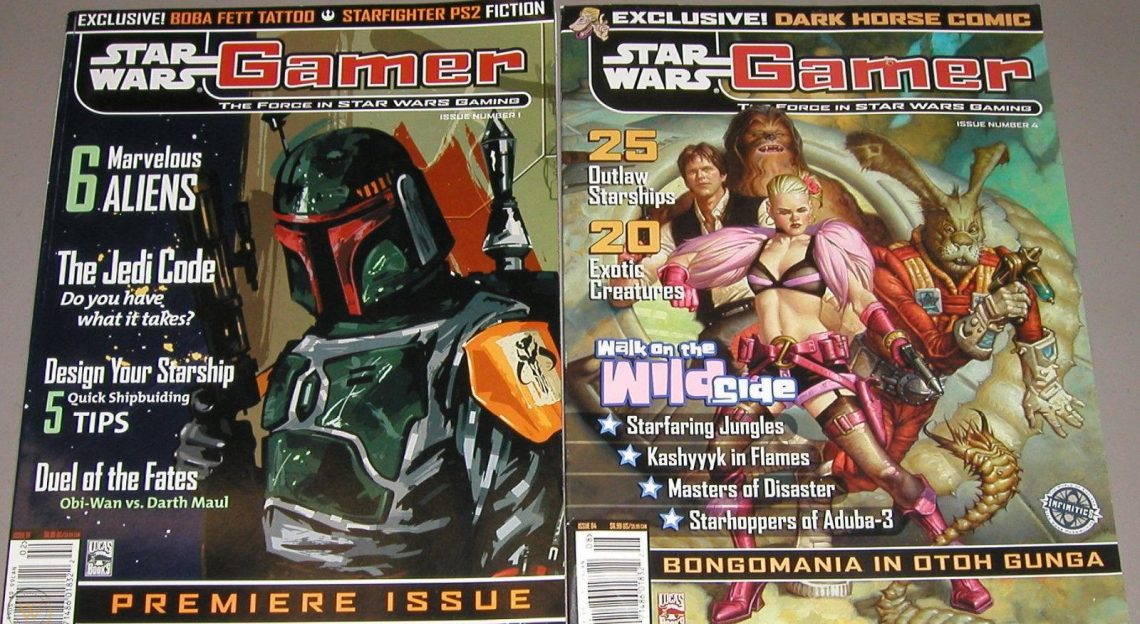
Star Wars Gamer Magazine Was Where the Galaxy Still Felt Like a Hobby-
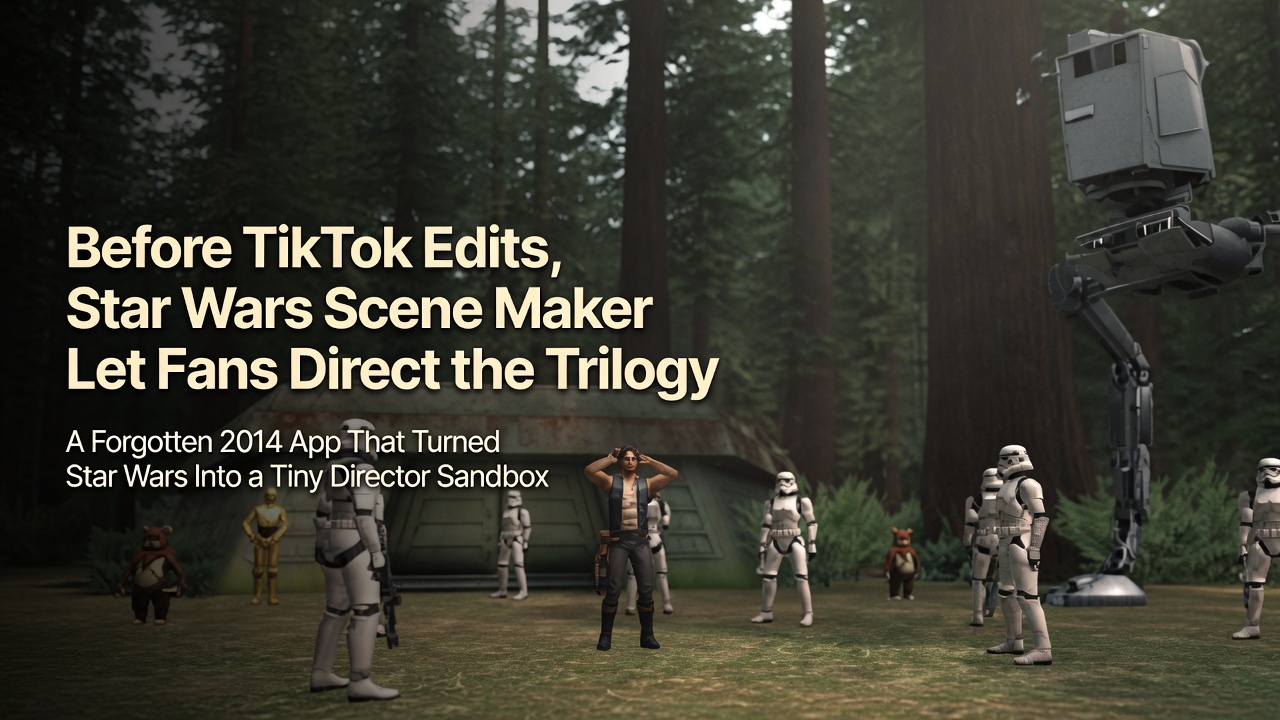
Before TikTok Edits, Star Wars Scene Maker Let Fans Direct the Trilogy Themselves -
George Lucas Knew Adults Would Fight the Prequels. The Kids Were the Point.