
Every Star Wars MMO is secretly trying to answer one impossible question:
How do you let players live in Star Wars?
Not just visit it.
Not just swing a lightsaber through a hallway while someone shouts about destiny.
Actually live there.
Star Wars Galaxies and Star Wars: The Old Republic both tried to solve that fantasy. They just came at it from completely different directions.
One gave players a sandbox and said, “Go make a life.”
The other gave players a story and said, “Go become someone.”
Both answers worked.
Both answers failed in places.
And together, they explain why Star Wars MMOs still fascinate people years later.
Star Wars Galaxies Made the Galaxy Feel Like a Place
Star Wars Galaxies was not built around making every player feel like the main character.
That was part of the magic.
You could be a crafter. A dancer. A doctor. A scout. A creature handler. A bounty hunter. A merchant. A mayor. A person who spent more time in a cantina than in combat, which is honestly one of the most Star Wars things imaginable.
The fantasy was not only power.
It was presence.
You were not always saving the galaxy. Sometimes you were selling armor, healing strangers, building a house, running through a player city, or watching a social hub slowly become an actual community.
That made Galaxies feel less like a guided adventure and more like a shared world.
Messy? Absolutely.
Ambitious? Painfully.
Still unmatched in some ways? Very much yes.
SWTOR Made the Galaxy Feel Like Your Story
SWTOR took the opposite approach.
Instead of asking players to build meaning entirely through systems, BioWare built meaning through character.
Class stories. Fully voiced dialogue. Companions. Moral choices. Flashpoints. Operations. Sith politics. Jedi crises. Smuggler nonsense. Bounty hunter professionalism, assuming your definition of professionalism includes a flamethrower.
SWTOR made the galaxy personal.
You were not just one more person living in Star Wars. You were a specific person with a role, a crew, enemies, allies, and a story that moved because you pushed it forward.
Where Galaxies asked, “What life do you want to build here?”
SWTOR asked, “Who are you in this galaxy?”
That is a very BioWare answer.
And for a lot of players, it was exactly the right one.
Sandbox Freedom vs. Story Identity
The difference between the two games is not simply old versus new.
It is philosophy.
Star Wars Galaxies trusted players to create identity through professions, communities, cities, and social systems. Its best stories often happened because players made them happen.
SWTOR created identity through writing, performance, cinematic presentation, and faction fantasy. Its best stories often happened because the game knew exactly when to put a Sith Lord, Republic officer, companion, or moral disaster in your path.
One was a world simulator with Star Wars skin and player-driven chaos.
The other was a narrative MMO where Star Wars roles became playable arcs.
That is why comparing them directly can get unfair fast.
They were not trying to be the same game.
They were trying to fulfill the same dream through different tools.
The Social Galaxy Still Matters
The strongest thing Galaxies had was the feeling that other players mattered to the actual texture of the world.
Cities needed citizens. Cantinas needed entertainers. Crafters needed buyers. Bounty hunters needed targets. Communities needed people who logged in not just to complete objectives, but to be there.
That social glue is still one of the most powerful parts of Star Wars gaming. It is why people still group up in SWTOR, jump into Battlefront II, fly together in Squadrons, or argue over the best couch co-op pick. If you are looking for a broader modern guide, we have a full breakdown of the best Star Wars games to play with friends.
But Galaxies deserves special mention in that conversation because friendship, trade, cities, and shared identity were not side features.
They were the game.
You were not just playing near other people.
You needed them.
SWTOR Learned a Different Lesson
SWTOR did not try to rebuild Galaxies.
That was probably smart.
By the time SWTOR arrived, MMO expectations had changed. Players were used to clearer questing, stronger progression, more structured group content, and polished storytelling. BioWare also had its own reputation to protect. People expected characters, choices, companions, and drama.
So SWTOR focused on what BioWare did best.
It gave Star Wars fans class fantasy at full volume.
A Sith Warrior could feel like a rising nightmare. A Jedi Knight could feel like the Republic’s last clean blade. An Imperial Agent could quietly carry one of the best spy stories in Star Wars gaming. A Smuggler could flirt, lie, shoot, and somehow still call it a career.
Where Galaxies gave players the freedom to exist, SWTOR gave them the structure to matter.
Which One Got Star Wars Right?
The annoying answer is both.
The more honest answer is that each captured a different part of Star Wars.
Star Wars Galaxies captured the background life of the galaxy. The cantinas, traders, hunters, towns, odd jobs, social circles, and local legends. It understood that Star Wars is not only about Skywalkers and Sith Lords. Sometimes it is about the people who live under the shadow of those stories.
SWTOR captured the mythic drama. The choices, betrayals, ancient grudges, companions, wars, Force mysteries, and faction identity. It understood that players also want to feel like their character belongs in the big dramatic machinery of Star Wars history.
One gave us the galaxy as a place.
The other gave us the galaxy as a personal saga.
That is why both still matter in the wider history of playable Star Wars, which we continue tracking in our Complete List of All Star Wars Games Ever Made.
The Dream Still Isn’t Finished
The reason this comparison still works is simple:
No Star Wars game has fully replaced either fantasy.
Players still want a living Star Wars world with housing, cities, professions, trade, social systems, exploration, and strange little player-made stories.
Players also still want cinematic stories, companions, choices, class identity, and galaxy-shaking drama.
They want Galaxies.
They want SWTOR.
They want both at once, which is completely unreasonable and also exactly how Star Wars fandom works.
But that is the beauty of these two MMOs.
They proved that “living in Star Wars” can mean more than one thing.
It can mean building a home on Tatooine.
It can mean leading a crew through the cold war.
It can mean dancing in a cantina, crafting armor, hunting a target, saving the Republic, betraying the Empire, or just standing around in a social hub because somehow that became the plan for the evening.
Star Wars Galaxies and SWTOR did not solve the same fantasy the same way.
They solved two halves of it.
And twenty years later, the galaxy still feels bigger because both of them tried.
Author

Related Posts

Star Wars Galaxies Was the MMO That Let Players Live in the Galaxy Before SWTOR
Best Animate Photo AI and AI Talking Photo Tools of 2026
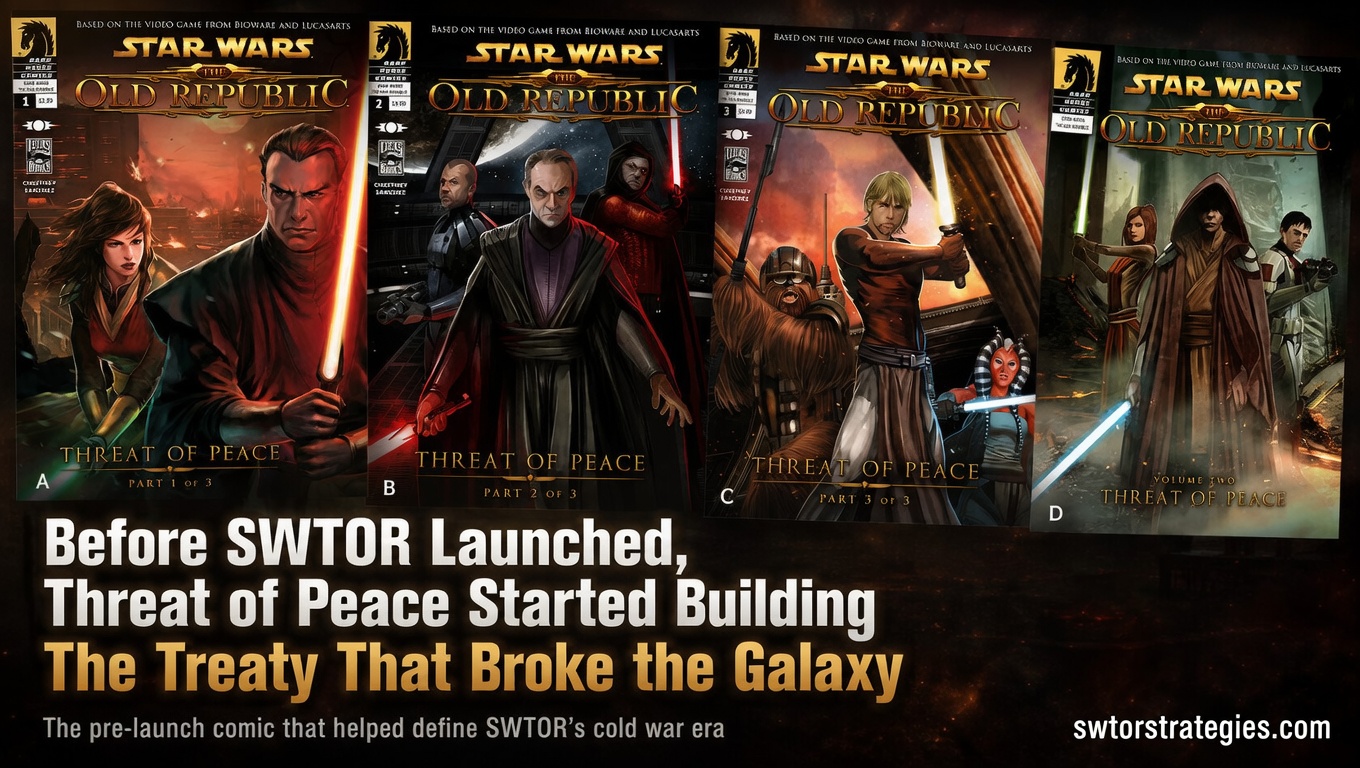
Before SWTOR Launched, Threat of Peace Started Building the Treaty That Broke the Galaxy
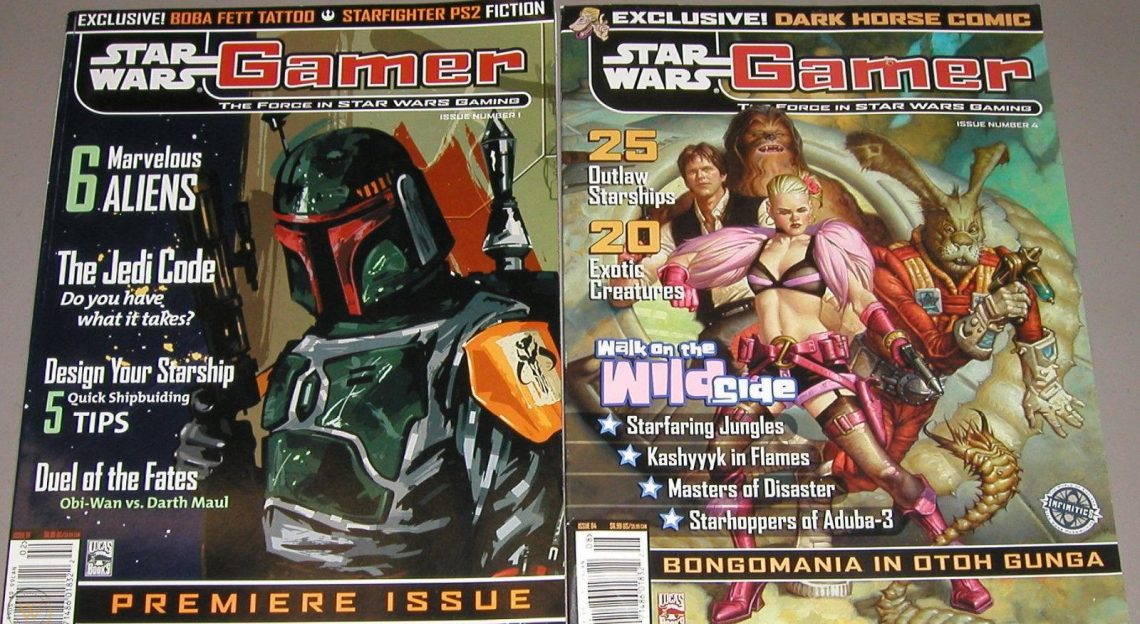
Star Wars Gamer Magazine Was Where the Galaxy Still Felt Like a Hobby

-
Before TikTok Edits, Star Wars Scene Maker Let Fans Direct the Trilogy Themselves -
George Lucas Knew Adults Would Fight the Prequels. The Kids Were the Point. -
SWTOR’s Most Important Update Might Not Be Ryloth. It Might Be DirectX 12 -
The Best Star Wars Games to Play With Friends in 2026: Co-Op, Multiplayer, Couch and Online Picks