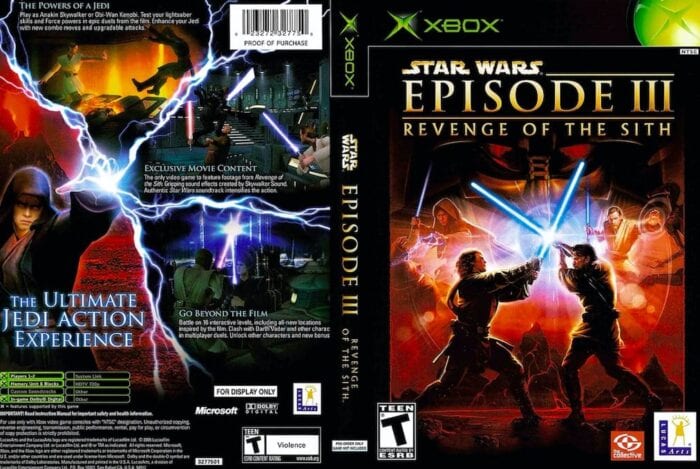
Before Revenge of the Sith reached theaters and emotionally ruined an entire generation of prequel kids, LucasArts let players swing the lightsaber themselves. On May 4, 2005, Star Wars: Episode III – Revenge of the Sith launched for PlayStation 2 in North America, according to MobyGames and GameFAQs listings, with the Game Boy Advance version also listed for the same date. The wider multi-platform rollout is often cited as May 5, but May the 4th gives the PS2 and GBA releases a perfect little Star Wars history stamp. A Movie Tie-In From the Last Great LucasArts Rush The early 2000s were a very different era for Star Wars games. LucasArts was still firing out titles with the confidence of a studio that owned half your childhood: Knights of the Old Republic, Republic Commando, Battlefront, Rogue Squadron, Jedi Knight, and then this — a full action-game adaptation of the final prequel…
lucasarts
Star Wars: Battle for Naboo (2000): The Game That Quietly Bridged Two Eras
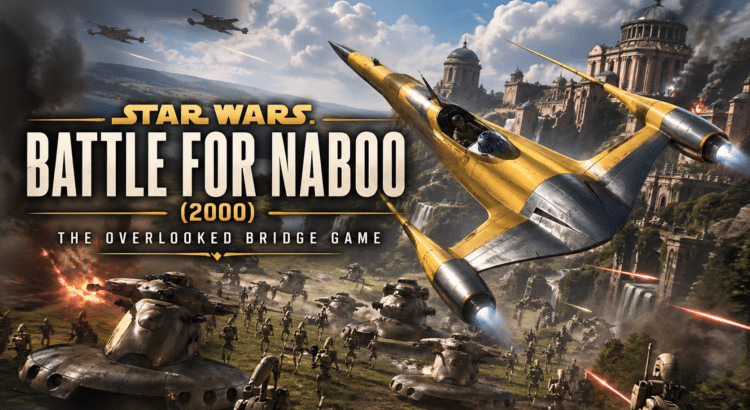
There are some Star Wars games that arrive with a lot of noise behind them. Big legacy. Big nostalgia. Big arguments. And then there are games like Star Wars: Battle for Naboo, which mostly showed up, did a lot of things well, and somehow still ended up living in the shadow of the louder titles around it. That is a bit unfair, because this game matters more than people tend to remember. Released on Nintendo 64 in late 2000 and later brought to Windows in 2001, Battle for Naboo was co-developed by Factor 5 and LucasArts as an arcade-style action game and a spiritual follow-up to Star Wars: Rogue Squadron. It traded the Original Trilogy’s dogfights for the Trade Federation invasion of Naboo, put players in the boots of Royal Security Forces lieutenant Gavyn Sykes, and mixed air, land, and water vehicles across a 15-mission campaign. And honestly, that pitch…
21 Years Ago, Star Wars Galaxies Changed Forever
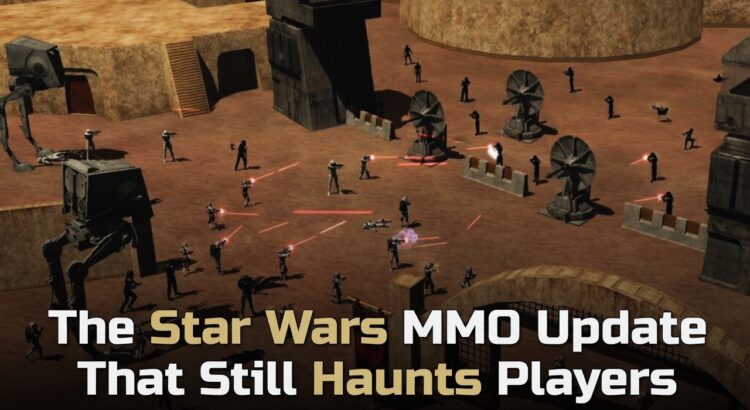
On April 27, 2005, Star Wars Galaxies did not release a new expansion, launch a new planet, or hand everyone a shiny lightsaber with a polite little tutorial. It did something far more dangerous. It changed how the game worked. The Combat Upgrade, listed in Galaxies’ update history as a free major online revamp, went live 21 years ago today — and for many veteran players, that date still lands like a thermal detonator in the nostalgia compartment. The update arrived between Jump to Lightspeed and Rage of the Wookiees, right in the middle of the game’s most fascinating, chaotic, and deeply fragile era. The Patch That Tried to Fix the Galaxy The Combat Upgrade was designed to overhaul Star Wars Galaxies’ complicated combat systems. Before it, SWG was famously strange: part sandbox MMO, part social simulator, part economy experiment, part cantina waiting room where someone was always dancing for…
Star Wars: The Clone Wars (2002): The Game That Turned the Prequels Into a War
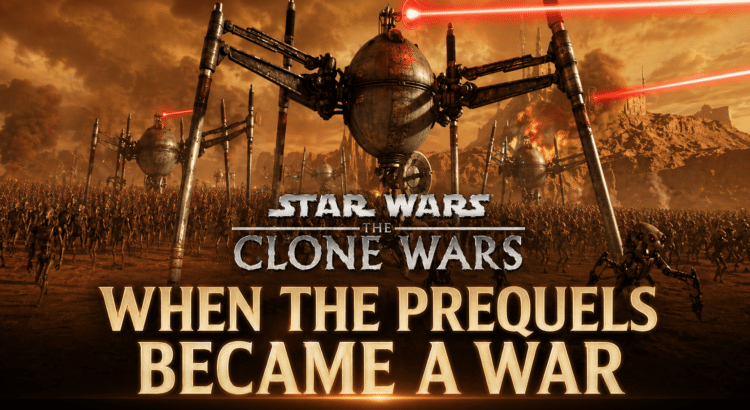
There is a point where the prequel era in Star Wars games stopped feeling like a collection of side attractions and started feeling like an actual era. Not just podracing. Not just one cool bounty hunter with a jetpack and several anger-management issues. Not just sleek starfighters gliding through Naboo skies. An actual war. That is where Star Wars: The Clone Wars (2002) comes in. If Star Wars: Starfighter (2001) gave the prequels proper wings, and Star Wars: Jedi Starfighter (2002) made them a little cooler, and Star Wars: Bounty Hunter (2002) dragged the same era into the underworld and let Jango Fett behave like a licensed public menace, then The Clone Wars did something bigger. It widened the lens. It took the prequel era out of the cockpit, out of the alleyways, and out onto the battlefield. That makes it a natural stop in both our Complete List of…
On This Day in 2014, Star Wars Games Officially Became Legends
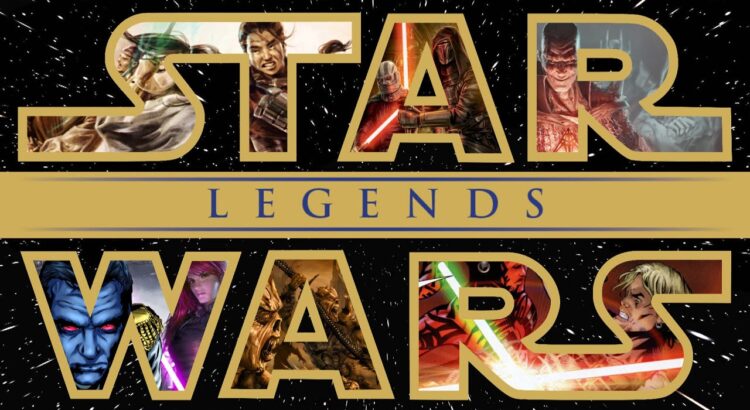
Twelve years ago, the Star Wars galaxy changed in a way that still shapes gaming conversations now. On April 25, 2014, Lucasfilm published its now-famous announcement, “The Legendary Star Wars Expanded Universe Turns a New Page,” confirming that the old Expanded Universe would be rebranded as Star Wars Legends. That move hit books and comics hardest in the public conversation, but it also changed the status of a huge chunk of Star Wars gaming history overnight. That meant a long list of beloved titles — from Knights of the Old Republic and Jedi Knight to The Force Unleashed, Republic Commando, and Dark Forces — were no longer part of the main official canon timeline. They were still Star Wars. Still playable. Still important. But now they lived under the Legends banner instead. The day old Star Wars games entered a different timeline For a lot of players, this was the…
Star Wars: Bounty Hunter (2002): The Jango Fett Game That Let Star Wars Get Dirty
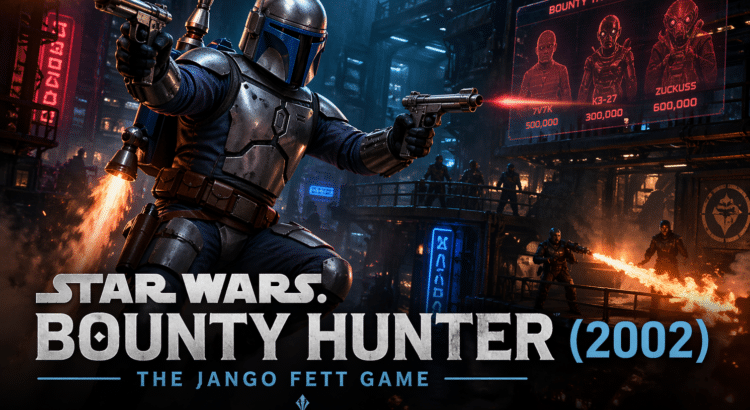
There is a certain kind of Star Wars game that arrives in a clean, polished starfighter and asks you to save the day with elegance. Star Wars: Bounty Hunter is not that game. This one kicks the door open, lights the flamethrower, and asks whether you would like to spend the next several hours being Jango Fett at peak menace. And honestly, that was a pretty smart pitch in 2002. Released for PlayStation 2 in November 2002 and for GameCube in December 2002, Bounty Hunter came from LucasArts and put players in the boots of the galaxy’s most dangerous hired gun just as Attack of the Clones had made Jango one of the coolest bad ideas in the entire prequel era. That timing matters. We had just spent time in the skies with Star Wars: Starfighter (2001) and Star Wars: Jedi Starfighter (2002), watching the prequel era expand through sleek…
Star Wars: The Force Unleashed Hit Switch 4 Years Ago Today
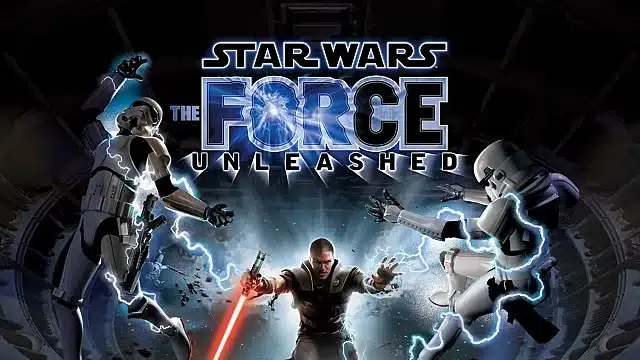
Four years ago today, Star Wars: The Force Unleashed crashed onto Nintendo Switch and gave Star Wars fans another excuse to throw stormtroopers into walls with the Force. The Switch version launched on April 20, 2022, bringing the 2008 action game back in portable form. Aspyr handled the release, and official StarWars.com coverage at the time leaned hard into what made the game memorable in the first place: Sam Witwer’s Starkiller, wild Force power fantasy, and a story that still occupies a weirdly beloved corner of Star Wars game history. That made it more than just another old-game re-release. Because The Force Unleashed has always had a very specific reputation. It is messy, loud, overpowered, and about as subtle as a Star Destroyer falling out of the sky. But that is also why people remember it. Long before every major franchise wanted cinematic third-person action and morally conflicted antiheroes, Starkiller…
Star Wars: Jedi Starfighter (2002): When the Prequel Era Got a Little Cooler
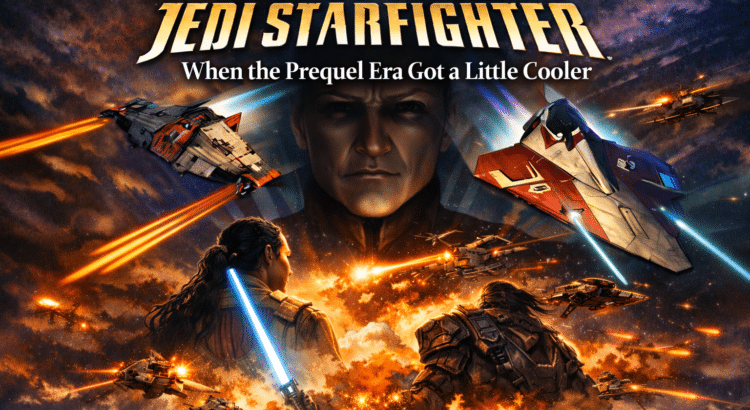
There is a very specific kind of sequel that does not try to reinvent the wheel. It just looks at the first game, tightens a few bolts, paints some flames on the side, and says, “Right. Now let’s make this thing louder.” That is Star Wars: Jedi Starfighter. After Star Wars: Starfighter (2001) gave the prequel era its first proper flight-combat game, LucasArts came back a year later with a sequel that kept the same broad formula but shifted the mood. This time, the game was tied more directly to Attack of the Clones, brought in Jedi Master Adi Gallia, kept fan-favorite pirate Nym around, and added Force powers to starfighter combat because apparently regular lasers were no longer enough. It launched first on PlayStation 2 on March 10, 2002, with an Xbox version following later that year. And honestly? That was a pretty solid idea. If Episode I: Racer…
Star Wars: Starfighter (2001): The Moment the Prequel Era Finally Took Off
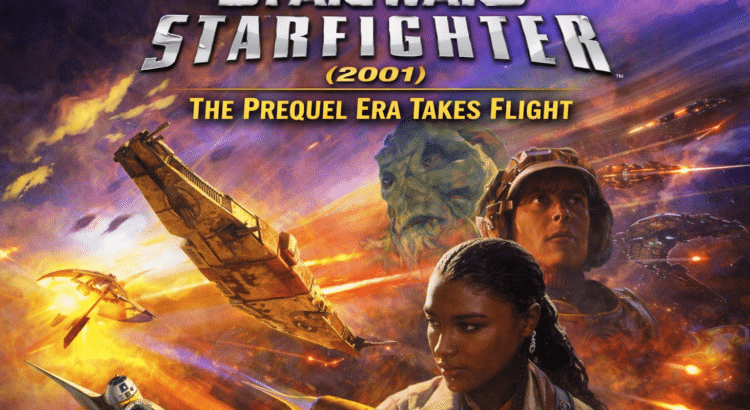
After a stretch of Star Wars games spent roaring through canyons, dodging rocks, and pretending basic workplace safety did not exist, Star Wars: Starfighter arrived in 2001 with a very simple message: enough with the sand in your teeth, it is time to get back in the sky. And honestly, it was the right move. If Star Wars Episode I: Racer (1999) was the prequel era proving podracing could carry a full game, and Star Wars Racer Arcade (2000) was the quarter-hungry public version of that same idea, Star Wars: Starfighter was where LucasArts started giving the prequels a broader gaming identity. It looked away from the racetrack, looked up at the Naboo skies, and said: what if we built a game around the ships, the war, and the feeling of being right in the middle of the chaos before The Phantom Menace? That turned out to be a pretty…
Star Wars Racer Arcade (2000): The Podracing Follow-Up That Turned the Volume All the Way Up
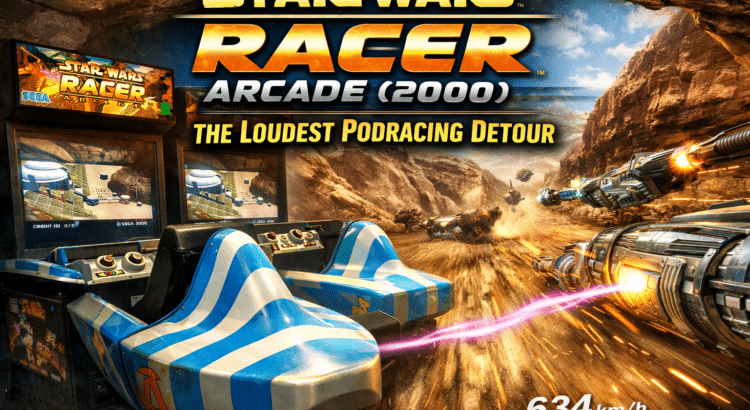
After Star Wars Episode I: Racer (1999) proved that one scene from The Phantom Menace could somehow carry an entire game, it did not take long for someone to look at that success and think the obvious next thought: what if we made it bigger, louder, flashier, and more likely to eat your spare change in a public building? That is basically the story of Star Wars Racer Arcade. Released in 2000, the game was Sega’s arcade spin on the podracing craze, built with LucasArts and shown off as a dedicated cabinet experience rather than a straight port of the 1999 home game. Contemporary coverage from GameSpot described it as a separate arcade project from the team behind Star Wars Trilogy Arcade, while arcade sales material listed Sega as the manufacturer in 2000. And that distinction matters, because Racer Arcade is not just “the N64 game in a cabinet.” It…
Star Wars Episode I: Racer (1999): The Prequel Tie-In That Somehow Became a Classic
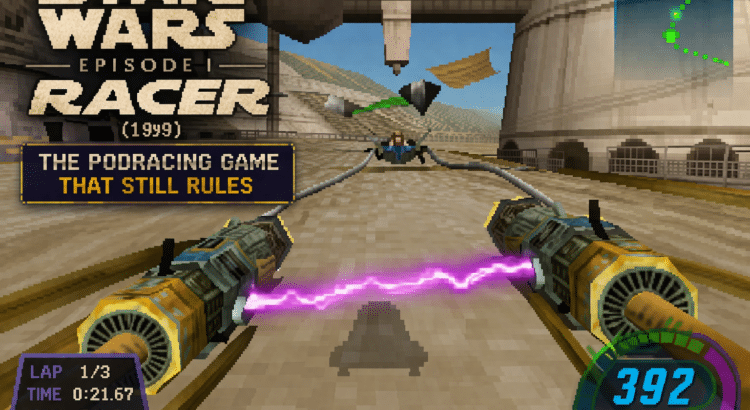
There are plenty of Star Wars games that sell you the big fantasy. Be a Jedi. Blow up a Death Star. Command a fleet. Save the galaxy before lunch. Star Wars Episode I: Racer does none of that. Instead, it looks at one of the loudest, dustiest, most gloriously unhinged scenes in The Phantom Menace and says: “You know what? Let’s build an entire game around this insane space go-kart death sport.” And somehow, LucasArts absolutely nailed it. If you’ve been exploring our Complete List of All Star Wars Games Ever Made (1979–Present), this is one of those entries that reminds you how wonderfully unpredictable Star Wars games could be in the late ’90s. It launched in 1999 and was developed by LucasArts as a racing game built around the podracing sequence from Episode I, later appearing across multiple platforms and eventually getting modern rereleases as well. One movie scene,…
Star Wars: X-Wing Alliance (1999): The Flight Sim That Let the Series Go Out in Style
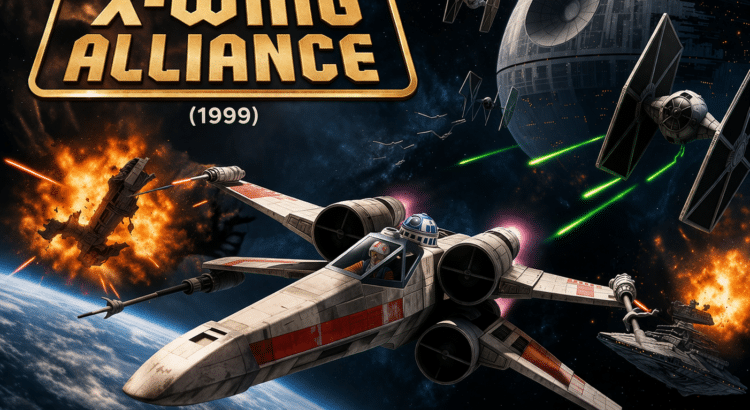
By the time Star Wars: X-Wing Alliance landed in 1999, the classic LucasArts flight sim series had already done a lot of heavy lifting for Star Wars gaming. X-Wing gave players the Rebel pilot fantasy. TIE Fighter somehow made flying for the Empire feel cool instead of deeply concerning. Then X-Wing vs. TIE Fighter turned the whole thing into a full-on Rebel-vs-Imperial showdown. So what did X-Wing Alliance do? Simple. It took all of that, added more story, more personality, and one very shiny Millennium Falcon, then sent the series off in style. If you’ve been following our complete Star Wars games archive, this is one of those entries that really helps round out the 90s era. And if you are digging through our 1990–1999 Star Wars games hub, this one absolutely deserves a good spot near the top shelf. Not just another Rebel pilot story One of the smartest…
George Lucas and Star Wars Galaxies: The MMO That Was Closer to His Future Than People Realized
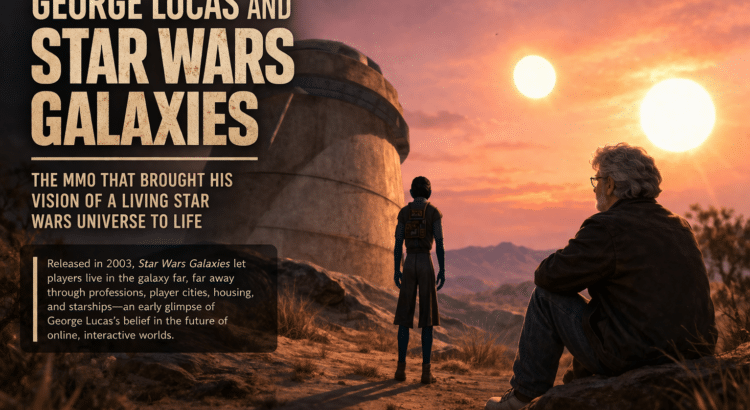
When people talk about Star Wars Galaxies, they usually start with the obvious landmarks: the sandbox systems, the player cities, the housing, the professions, the social chaos, and the long shadow the game still casts over Star Wars MMO history. All of that matters. But one of the more interesting angles is how closely Galaxies seems to line up with the way George Lucas thought about technology, online interaction, and participatory storytelling. This was not just a Star Wars game where players ran missions. It was one of the earliest serious attempts to let people actually live inside the galaxy, which is a big reason it still deserves a prominent place in our complete Star Wars games hub. Lucas was already thinking beyond passive entertainment One reason Galaxies feels so relevant in hindsight is that George Lucas had been talking for years about technology, media, and the future of storytelling….
Star Wars: X-Wing vs. TIE Fighter (1997): The Multiplayer Space Sim That Changed the Series
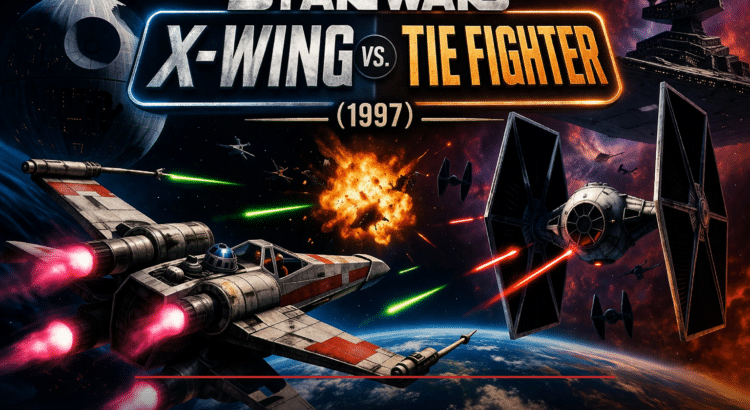
By the time Star Wars: X-Wing vs. TIE Fighter arrived in 1997, LucasArts had already built one of the most respected corners of Star Wars gaming. X-Wing had established the Rebel pilot fantasy. TIE Fighter had sharpened the formula and proved the Empire could be just as compelling from the cockpit. Then X-Wing vs. TIE Fighter took the next obvious step: it turned the whole thing into a direct Rebel-versus-Imperial showdown built around multiplayer dogfights, cooperative battles, and a more modernized presentation. Official Star Wars support highlights its support for up to eight players, more than 50 missions, and nine different spacecraft, while Steam’s store page frames it as one of the most historically significant space combat simulators ever made. That shift matters more than it might sound at first. X-Wing vs. TIE Fighter was not just “more of the same.” It marked a real evolution in what the series…
13 Years Later, the Shutdown of LucasArts Still Feels Like a Brutal Turning Point for Star Wars Games
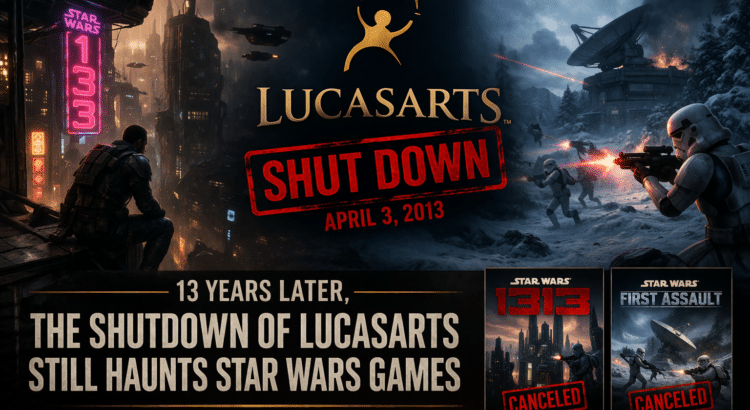
Thirteen years ago this week, Disney pulled the plug on LucasArts’ internal game development and pushed the company into a licensing model instead. It was the kind of corporate sentence that sounds tidy on paper and disastrous everywhere else. The bigger headline at the time was not just that LucasArts as a game studio was effectively over. It was that two of its active Star Wars projects, Star Wars 1313 and Star Wars: First Assault, went down with it. Lucasfilm’s official line back then was that the move would “minimize the company’s risk” while opening the door to a broader portfolio of Star Wars games through outside partners. That may have made business sense in Burbank boardroom language, but for players it mostly translated to this: one of gaming’s most storied Star Wars labels stopped building games, around 150 staff were affected, and two intriguing projects were suddenly dead in…
Kinect Star Wars Released on This Day in 2012 — And Yes, the Dance Mode Still Lives Rent-Free in Memory
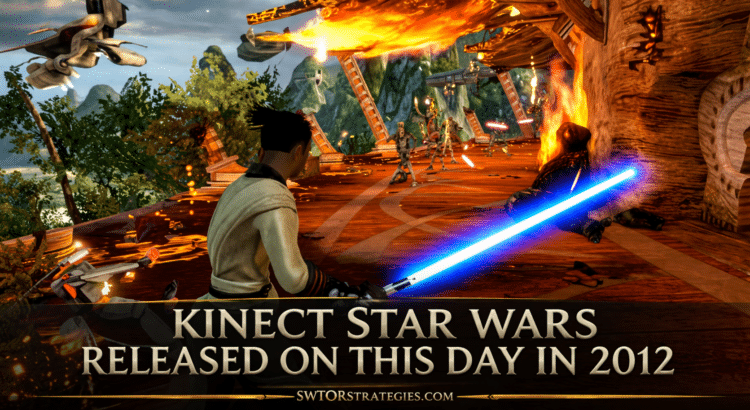
There are good Star Wars games, great Star Wars games, and then there is Kinect Star Wars — a game so committed to the idea of “be the Jedi” that it somehow also ended up giving the galaxy a dance floor. Released on April 3, 2012, Kinect Star Wars arrived on Xbox 360 alongside Microsoft’s very loud, very memorable Star Wars-themed hardware push. Xbox announced the game’s release date officially in February 2012 and confirmed that it would launch with five modes: Jedi Destiny: Dark Side Rising, Podracing, Rancor Rampage, Galactic Dance Off, and Duels of Fate. That lineup alone explains why the game still gets talked about. On one hand, this was clearly built around a simple fantasy hook: swing your arms, use the Force, and pretend your living room is somewhere between Coruscant and Geonosis. GameSpot noted at the time that the story content sat mostly in the…
Star Wars: X-Wing (1993): The Rebel Flight Sim That Launched a Legendary Series
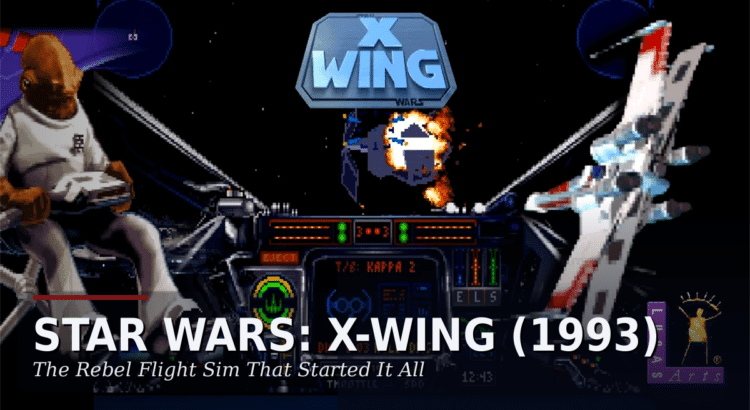
Before Star Wars space combat became a nostalgia trigger, a subgenre, and a minor religion for PC players of a certain age, there was Star Wars: X-Wing. Released in 1993 by LucasArts, it put players in the cockpit of Rebel starfighters and asked them to do something that felt unusually serious for the time: not just blast TIEs, but manage power, complete mission objectives, and survive a proper space combat simulation set in the Star Wars universe. Official Star Wars support still describes it as a game with more than 120 missions and a full 3D battlefield of Imperial and Rebel craft, while MobyGames identifies it as the first major space combat sim in the franchise. That alone makes it historically important. But X-Wing matters for a bigger reason: it created one of the most respected Star Wars game lineages ever made. Without it, there is no TIE Fighter, no…
Star Wars: TIE Fighter (1994): The Imperial Flight Sim That Still Feels Elite
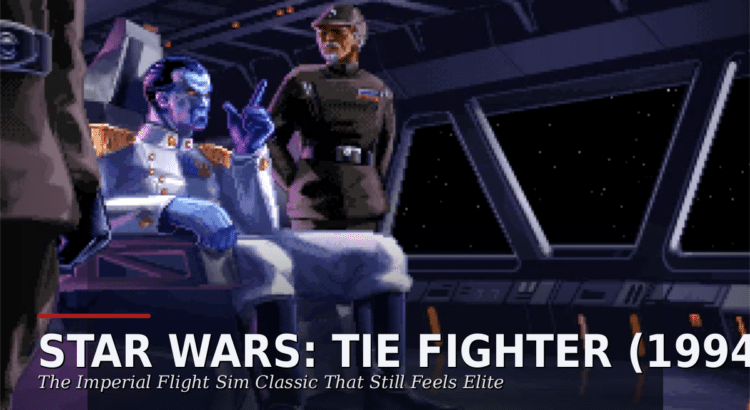
Some Star Wars games are remembered because they were huge commercial events. Others live forever because players never really stopped talking about how good they were. Star Wars: TIE Fighter belongs in the second category. Released in 1994, it put players in the cockpit of the Imperial Navy, cast Darth Vader’s side as the playable perspective, and built a space-combat sim that many players and critics still treat as one of the best Star Wars games ever made. Star Wars’ official support page describes it as a game where you “join the Imperial Navy” under Vader, while a 30th-anniversary retrospective from heise online notes that TIE Fighter still usually sits near the top of all-time Star Wars game rankings. That reputation was not built on novelty alone. TIE Fighter mattered because it took the foundation of X-Wing and sharpened it into something cleaner, smarter, and more confident. Where a lot…
Star Wars Jedi Knight: Mysteries of the Sith (1998): The Expansion That Gave Mara Jade the Spotlight
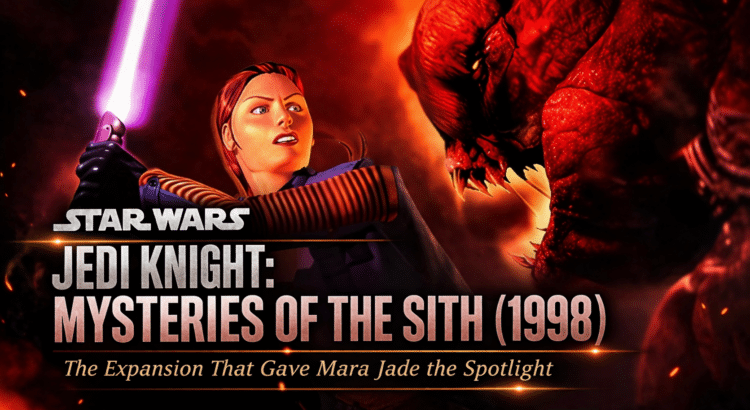
Some Star Wars games feel big because they reinvent the wheel. Others matter because they take an already strong foundation and push the universe into a more interesting direction. Star Wars Jedi Knight: Mysteries of the Sith belongs firmly in that second category. Released in 1998 as an expansion to Star Wars Jedi Knight: Dark Forces II, Mysteries of the Sith did not arrive with quite the same “everything is changing” impact as its predecessor. It was not the game that first gave Kyle Katarn a lightsaber or introduced full-on Force powers to the series. That had already happened. What Mysteries of the Sith did instead was something arguably just as important for the long-term identity of Star Wars games: it expanded the Jedi Knight formula, leaned harder into ancient Force lore, and gave Mara Jade a central playable role in a major Star Wars game. That alone makes it…
Star Wars Jedi Knight: Dark Forces II (1997): The Game That Turned Kyle Katarn Into a Legend
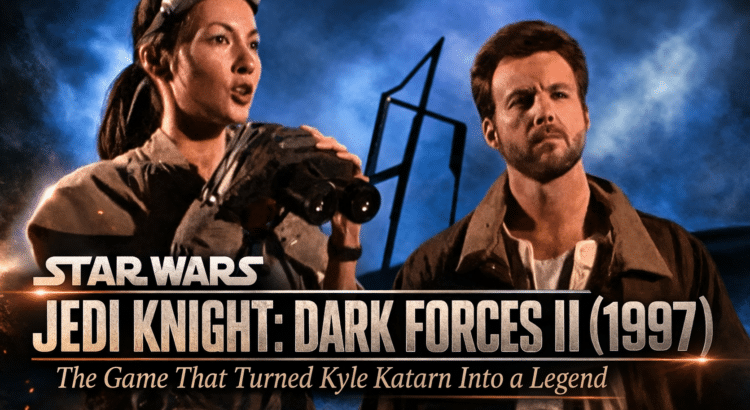
If Star Wars: Dark Forces was the game that proved Star Wars could thrive in first-person shooters, then Star Wars Jedi Knight: Dark Forces II was the game that blew that idea wide open. Released on October 9, 1997 for Windows, LucasArts’ sequel did not just give Kyle Katarn another mission. It gave him a lightsaber, a deeper past, a clash with Dark Jedi, and a Force-driven story that pushed Star Wars games into much more ambitious territory. That matters a lot in the bigger archive timeline. Jedi Knight: Dark Forces II sits at a key turning point between the older “blast your way through the Empire” style of Star Wars: Dark Forces (1995) and the more fully realized Jedi action of later games like Jedi Outcast and Jedi Academy. In hindsight, this is one of the most important bridge games in the entire franchise. It belongs squarely in the…
Star Wars: Dark Forces (1995): The Shooter That Gave Star Wars a New Kind of Hero
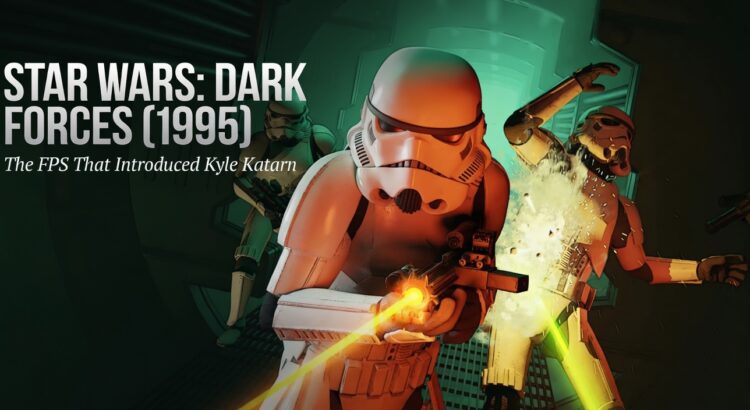
Before Star Wars games became known for lightsabers, morality systems, squad tactics, and giant cinematic set pieces, there was Star Wars: Dark Forces — a fast, grimy, surprisingly ambitious first-person shooter that helped kick open a whole new side of the galaxy. Released on February 15, 1995, by LucasArts, Dark Forces was the first Star Wars first-person shooter, and it did not just slap stormtroopers onto a generic corridor blaster. It introduced Kyle Katarn, sent players deep into Imperial installations, and built a campaign around sabotage, infiltration, mission objectives, and the Empire’s terrifying Dark Trooper project. Even now, that combination feels like a turning point. This was the moment Star Wars games proved they could do more than simply imitate the films. They could expand the universe in their own voice. For the SWTORStrategies archive, Dark Forces is one of those foundational entries that makes the whole timeline stronger. It…
Star Wars: Shadows of the Empire (1996): The N64 Epic That Turned Star Wars Into a Multimedia Event
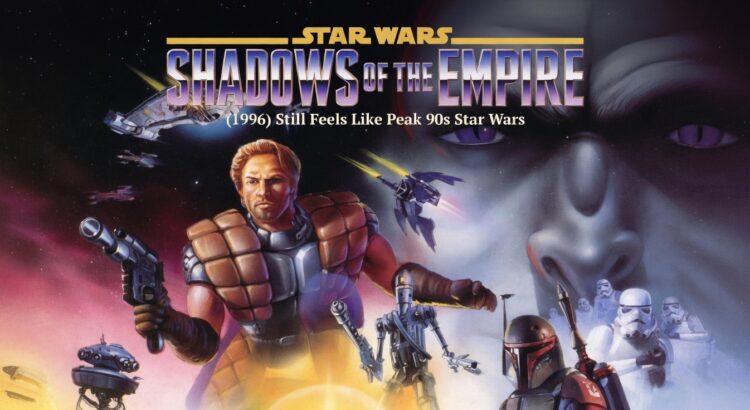
There are some Star Wars games that feel important because they were polished masterpieces. Then there are some that feel important because they captured a moment — a very specific, very chaotic, very exciting moment in Star Wars history. Star Wars: Shadows of the Empire belongs firmly in that second category. Released for Nintendo 64 in 1996 and later for Windows in 1997, Shadows of the Empire was much more than just another licensed action game. It arrived as part of the larger Shadows of the Empire multimedia project, a massive Lucasfilm push that included a bestselling novel, comic books, toys, trading cards, a soundtrack by Joel McNeely, and the game itself. StarWars.com later described 1996’s Shadows of the Empire rollout as a “multimedia assault” that gave fans “everything but a film,” which is still probably the cleanest way to explain why this project felt so huge at the time….
Star Wars: Lethal Alliance (2006): The Handheld Mission That Slipped Between the Films
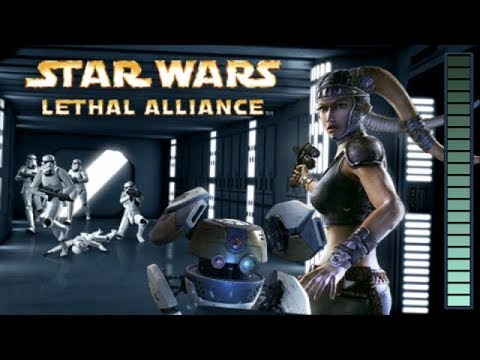
Not every Star Wars game arrives with the same kind of cultural blast radius as Knights of the Old Republic, Battlefront, or Empire at War. Some games land in a quieter lane, tied to a specific platform, a specific moment, and a fanbase that only really discovers later that something interesting was hiding there all along. Star Wars: Lethal Alliance is one of those games. Released in late 2006 for PSP and Nintendo DS, Lethal Alliance came from Ubisoft during a period when Star Wars games were branching into all kinds of directions. On one end of the spectrum, the franchise had blockbuster strategy and shooter titles. On the other, it had handheld experiments like this one: an original story, a new lead character, and a mission set in the volatile gap between Revenge of the Sith and A New Hope. Ubisoft positioned it as the first original Star Wars…
LEGO Star Wars II: The Original Trilogy (2006) – The Brick-Built Original Trilogy Classic
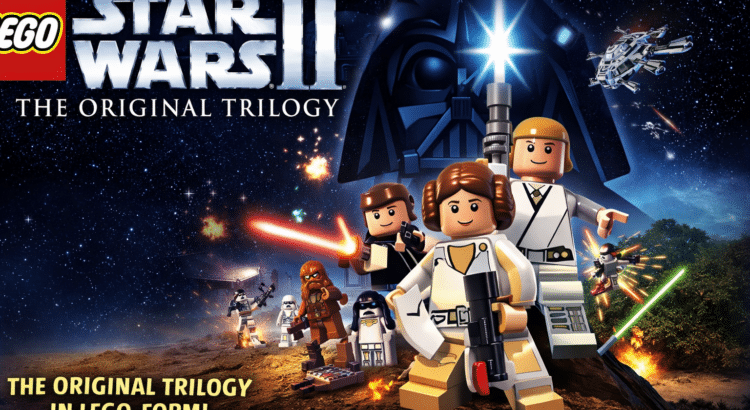
By 2006, Star Wars games were already on a serious hot streak. LucasArts had spent the first half of the decade delivering heavy hitters across action, strategy, shooter, and RPG territory. Then LEGO Star Wars II: The Original Trilogy came along and proved there was still room for something lighter, funnier, and far more family-friendly without feeling disposable. Developed by Traveller’s Tales and published by LucasArts, LEGO Star Wars II adapted the original trilogy into a brick-built action-adventure packed with slapstick humor, accessible co-op, and a surprising amount of replay value. It also became one of the most important Star Wars games of its era, helping cement LEGO Star Wars as a major sub-series rather than a one-off novelty. It belongs naturally in the wider Star Wars games complete archive and especially within the Star Wars games from 2006 to 2012 era, where it stands out as one of the…